Lisa Mariana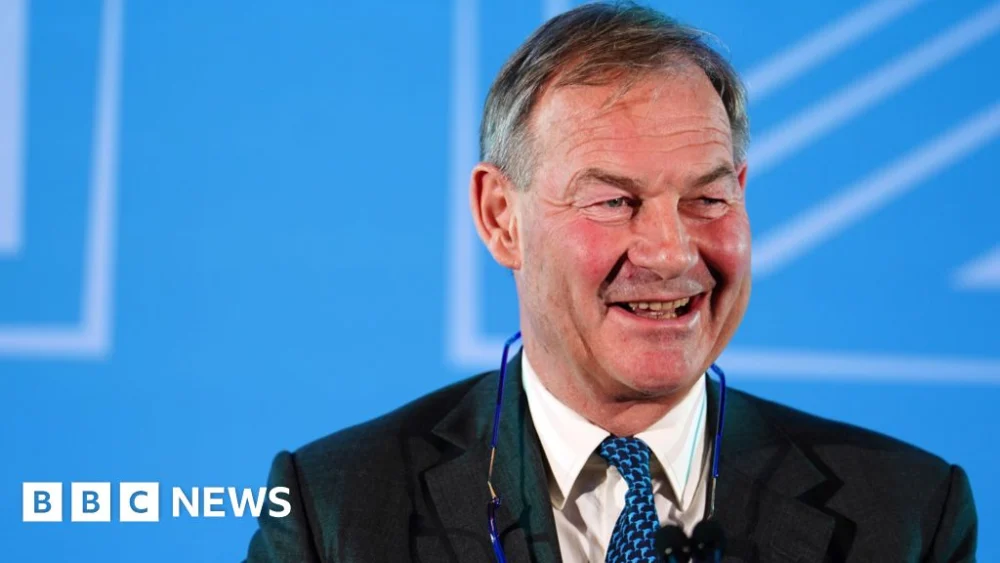
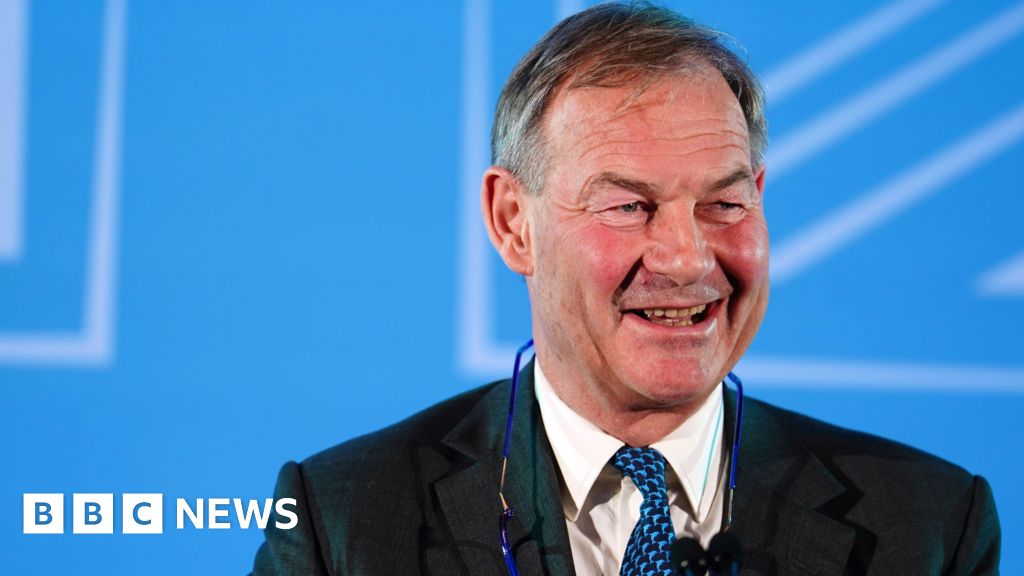
Rupert Lowe, the Member of Parliament for Great Yarmouth, currently serving as an independent, has formally inaugurated a new national political entity, ‘Restore Britain,’ marking a significant development in the UK’s increasingly fragmented political spectrum and underscoring a strategic shift from its prior incarnation as a mere movement. This move by Lowe, who was elected under the Reform UK banner in July 2024 before transitioning to independent status, reflects a burgeoning trend of political re-alignment and the emergence of alternative platforms seeking to address perceived deficiencies within established parties.
The formal launch of Restore Britain on a recent Friday evening signifies its evolution from an initially conceived "political movement," established by Lowe following his suspension from Reform UK last March, into a fully-fledged national party. This strategic transformation positions Restore Britain as an overarching political framework designed to collaborate with and incorporate locally-based political parties as integral partners, thereby fostering a grassroots-centric approach to national politics. This unique structural model is intended to empower local representation while offering a broader national platform, a departure from traditional centralized party structures.
Rupert Lowe, a prominent businessman with a background in farming and a notable tenure as chairman of Southampton Football Club, brings a distinct blend of commercial acumen and public profile to this new political venture. His intention to seek re-election in the Great Yarmouth constituency under the banner of a local affiliate, Great Yarmouth First, which will operate as a partner within the Restore Britain umbrella, illustrates the symbiotic relationship envisioned between the national party and its local components. This strategy aims to leverage local appeal and existing community ties, translating them into broader electoral support for the national agenda of Restore Britain.
The nascent stages of Restore Britain, when it functioned as a political movement, saw the involvement of several high-profile figures, including senior Conservative Party members Susan Hall and Sir Gavin Williamson, who served on an advisory board. However, the formal transition of Restore Britain into a political party has prompted a re-evaluation of their involvement. Sir Gavin Williamson, a former minister, has indicated to the Press Association his intention to conclude his association with the initiative, a sentiment echoed by Susan Hall, the Conservative leader in the London Assembly, who is also understood to be stepping down from the board. This withdrawal of established political figures highlights the inherent challenges new parties face in attracting and retaining cross-party support once they assume a formal electoral posture, as affiliations with a new political party often conflict with existing loyalties and career trajectories within established political structures.
The political trajectory of Rupert Lowe has been characterized by an independent streak, a quality noted by Andrew Sinclair, the BBC’s East of England political editor, who described him as a "maverick MP." This description points to a politician who often operates outside conventional party lines and exhibits a willingness to challenge established norms. Sinclair observed that Lowe’s non-collegiate approach was a contributing factor to his departure from Reform UK, suggesting a preference for autonomous decision-making over strict party discipline. This characteristic, while potentially alienating to traditional party machines, could resonate with a segment of the electorate disillusioned with partisan politics and seeking authentic, independent representation.
Lowe’s core political philosophy appears to be rooted in the belief that a profound disconnect exists between mainstream political institutions and the general public. He frequently cites his Great Yarmouth constituency as empirical evidence of this widening chasm, suggesting that the concerns and priorities of ordinary citizens are often overlooked or misrepresented by conventional political discourse. This perception of disconnect forms a foundational tenet of Restore Britain’s platform, aiming to bridge this gap by offering a more direct and responsive form of representation. The party seeks to position itself as a genuine voice for those who feel unheard by the traditional political establishment, tapping into a broader sentiment of disillusionment that has fueled populist movements globally.
Anecdotal evidence and internal polling data suggest that Lowe retains a significant level of support within Great Yarmouth, despite his shift from Reform UK to an independent status. Both Labour and Lowe’s own campaign have reportedly observed favorable outcomes for him in hypothetical electoral scenarios. This local endorsement reinforces Lowe’s conviction that a viable space exists for a new political entity, particularly one on the right of the political spectrum, that prioritizes independence of thought and a commitment to local concerns. The cancellation of this year’s local elections, which Lowe had hoped would provide an early proving ground for his local affiliate, Great Yarmouth First, represents a missed opportunity for immediate electoral validation, compelling Restore Britain to focus on building national support and refining its broader strategy.
The strategic decision to establish Restore Britain as an umbrella party, fostering partnerships with locally-based political groups, presents an innovative, albeit challenging, model for political organization in the UK. This approach aims to circumvent the difficulties often faced by nascent national parties in establishing deep local roots and building widespread recognition from scratch. By integrating existing or emerging local movements, Restore Britain seeks to harness pre-existing community trust and volunteer networks, offering them a national platform and shared policy framework. This decentralized structure could potentially offer greater flexibility and responsiveness to diverse local needs, differentiating it from more monolithic national parties. However, it also introduces complexities in maintaining ideological coherence, coordinating campaigns, and ensuring consistent messaging across a network of semi-autonomous local entities.
The current political climate in the United Kingdom, characterized by fluctuating public trust in institutions, a cost-of-living crisis, and ongoing debates over national identity and international relations, provides a fertile ground for new political formations. The right-wing political landscape, in particular, appears increasingly contested, with the Conservative Party facing internal divisions and external pressures from Reform UK and now potentially Restore Britain. Lowe’s assertion that there is "room for another party, on the right," underscores the perception that a significant segment of the electorate feels unrepresented by the existing options. Restore Britain’s emphasis on "independence of mind" suggests an appeal to voters who are wary of party dogma and seek pragmatic solutions over ideological purity.
The withdrawal of prominent advisory figures like Sir Gavin Williamson and Susan Hall, while a setback for immediate credibility, also highlights the inherent tension between establishing a truly independent political force and leveraging established political gravitas. For figures deeply embedded in a major party, formal association with a new, potentially rival party carries significant political risk. Their departure may necessitate a recalibration of Restore Britain’s outreach strategy, focusing more on grassroots recruitment and developing new, perhaps less conventionally political, endorsements.
Looking ahead, Restore Britain faces a formidable task in transforming local appeal into national traction. The party will need to articulate a clear and compelling policy platform that transcends local issues, offering a coherent vision for the nation. This includes defining its stance on key economic, social, and cultural issues in a manner that distinguishes it from both the Conservative Party and Reform UK. Building a robust organizational infrastructure, attracting dedicated activists, and securing adequate funding will be critical for its long-term viability. The success of its umbrella model will depend heavily on its ability to attract and effectively integrate a diverse range of local partners, ensuring a harmonious and productive collaboration.
The emergence of Restore Britain, spearheaded by a figure like Rupert Lowe, reflects a broader trend of political experimentation and a growing desire among segments of the electorate for alternatives to the traditional two-party dominance. Whether Restore Britain can successfully navigate the complexities of national politics, translate its independent spirit into a cohesive electoral force, and ultimately bridge the perceived "disconnect" between politicians and the public, remains a significant question that will shape the evolving narrative of British political discourse in the years to come. Its trajectory will offer valuable insights into the future of party politics and the potential for new models of representation in an increasingly fluid political environment.




 Aura Kasih
 Safa Marwah
 Ayu Aulia