Lisa Mariana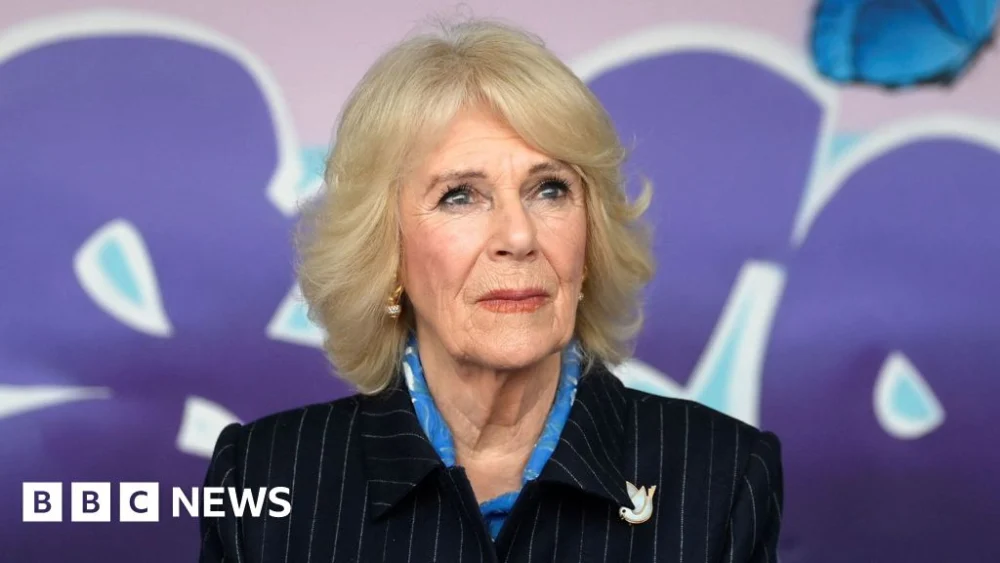
Gisèle Pelicot, whose harrowing experience of prolonged abuse and subsequent courageous public testimony captivated international attention, has expressed profound sentiments of awe and gratitude following the receipt of a personal letter from Queen Camilla. This esteemed correspondence, a remarkable gesture of solidarity from a global figure, acknowledged Pelicot’s extraordinary resilience and her pivotal role in challenging societal narratives surrounding victimhood and accountability. The communication from the British monarch, a steadfast advocate for survivors of domestic and sexual violence, underscores the widespread resonance of Pelicot’s journey and signals a powerful endorsement of her campaign to reassign shame from victims to perpetrators.
Pelicot’s ordeal, which spanned nearly a decade, involved her being systematically drugged and subjected to repeated sexual assaults by her then-husband, who also facilitated the abuse by inviting other men he encountered online. This deeply disturbing pattern of violation, a profound betrayal of trust within the most intimate of relationships, came to light through a rigorous legal process. Her decision to forgo anonymity during the 2024 trial in Avignon, France, was a deliberate and strategic act of defiance, transforming her personal tragedy into a potent symbol of empowerment. This act, articulated as a desire to "make the shame swap sides," catalysed a global movement, firmly positioning Pelicot as an international beacon of strength, courage, and feminist resolve.
The Queen’s letter, the contents of which have now been publicly disclosed, conveyed a message of profound admiration. "I very much wanted to write to express my heartfelt admiration for the courage, grace and dignity with which you have faced the horrific crimes committed against you," Queen Camilla wrote, her words carrying significant symbolic weight. This commendation from a member of the British Royal Family, whose public platform commands global attention, transcends a mere personal message; it represents a formal acknowledgement of the immense societal contribution made by individuals like Pelicot who dare to speak out against unimaginable wrongs.
The monarch further articulated the far-reaching impact of Pelicot’s actions, stating that she had "inspired women across the globe" and "created a powerful legacy that will change the narrative around shame, forever." This particular phrase highlights a critical aspect of Pelicot’s activism: her success in shifting public discourse from the traditional victim-blaming framework to one that rightly implicates the perpetrators and the societal structures that enable abuse. The concept of "shame swap sides" is not merely a slogan but a profound re-evaluation of culpability, challenging deeply ingrained cultural norms that often burden survivors with guilt and secrecy.
For Pelicot, 73, the receipt of such a distinguished communication was an unexpected and profoundly moving experience. Speaking to BBC Newsnight, she conveyed her sentiments: "It was an honour for me to receive this letter, I wasn’t expecting it at all. I was overwhelmed that the Queen could send me this letter." Her surprise underscores the extraordinary nature of the royal intervention, demonstrating the unparalleled reach of her story and the universal resonance of her fight for justice. The acknowledgement from such an eminent figure provides not only personal validation but also a significant amplification of her message on an international stage.
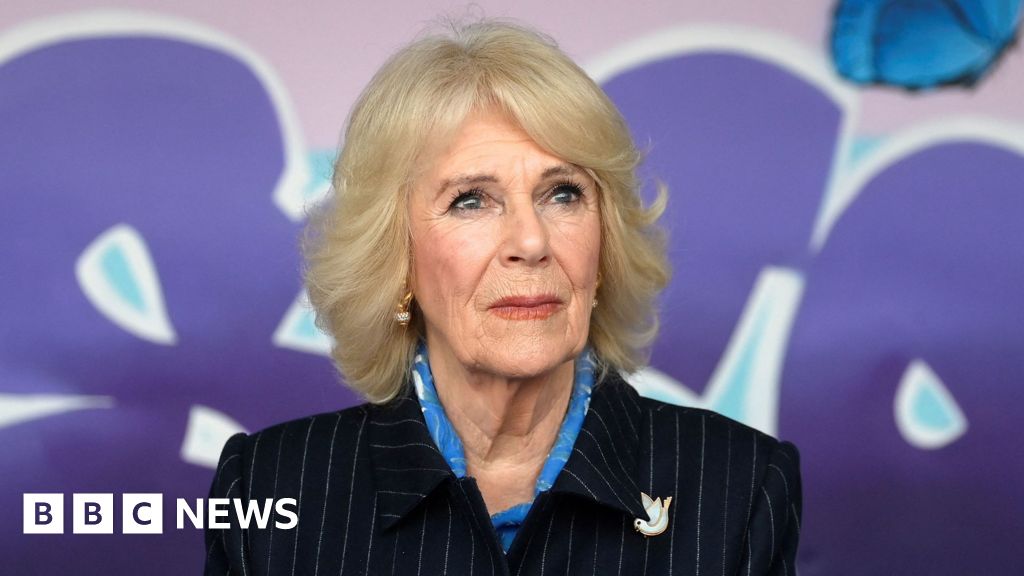
Queen Camilla’s consistent and dedicated advocacy for survivors of domestic and sexual violence is well-documented. For many years, she has lent her considerable influence to various organisations dedicated to supporting those affected by abuse, working tirelessly to raise awareness and foster environments of empathy and understanding. Her engagement with this cause is not a recent development but a sustained commitment, reflecting a deep personal conviction regarding the imperative to combat gender-based violence. This history lends further authenticity and impact to her message to Pelicot. In her letter, the Queen explicitly thanked Pelicot for her efforts, concluding with a personal sentiment: "You are very much in my thoughts and prayers, and I hope that you will now be able to rest and recover from this devastating ordeal." This compassionate closing speaks to the Queen’s understanding of the immense personal toll such a struggle exacts and the urgent need for healing and recovery.
The Avignon trial itself was a testament to the burgeoning global support for Pelicot. Throughout the 15-week proceedings, a steadfast crowd of supporters gathered daily outside the courthouse, displaying signs of gratitude and demanding justice. This public outpouring of solidarity mirrored the growing international recognition of Pelicot’s courage, transforming the courtroom into a symbolic arena where societal norms were challenged and redefined. The consistent presence of these advocates underscored the collective desire for a shift in how societies address and prosecute sexual violence, with Pelicot at the forefront of this transformative movement.
The decision to reveal the contents of the Queen’s letter was made with the explicit consent of both Queen Camilla and Ms. Pelicot, ahead of the release of Pelicot’s forthcoming memoir, "A Hymn To Life." This strategic timing ensures that the full weight of this royal endorsement accompanies Pelicot’s personal narrative, providing an unprecedented platform for her message. The memoir is anticipated to offer an intimate account of her journey, from the depths of her suffering to her emergence as a powerful voice for change, further cementing her legacy and offering hope and guidance to countless others.
Pelicot reiterated her sentiments of honour and surprise regarding the letter, noting, "because although my words touched the whole world, I wasn’t expecting a letter from the Court of England." This statement subtly acknowledges the global impact of her advocacy while highlighting the unique prestige associated with royal recognition. "I felt moved and very honoured that she had become aware of what had happened to me. I am grateful to her," she concluded, conveying a sense of profound validation that extends beyond personal solace to a broader recognition of her fight.
The intersection of a survivor’s public bravery and royal commendation marks a significant moment in the ongoing global dialogue about sexual violence. For survivors worldwide, this act of royal solidarity offers a powerful message of validation, encouraging others to come forward and challenge the pervasive culture of silence. It underscores that speaking out, even against overwhelming odds, can lead to profound societal shifts and elicit support from the most unexpected, and influential, quarters.
Furthermore, this royal intervention carries considerable implications for the role of public figures in social advocacy. Queen Camilla’s direct and personal communication with Pelicot demonstrates a proactive engagement with contemporary social justice issues, leveraging her unique position to amplify the voices of those who have suffered. This move can inspire other prominent individuals to lend their platforms to similar causes, fostering a more compassionate and responsive global community. It reinforces the notion that addressing gender-based violence is not merely a legal or social welfare issue but a fundamental human rights concern that demands universal attention and commitment.
The "shame swap sides" movement, championed by Pelicot, represents a critical paradigm shift. Historically, victims of sexual assault have often faced disbelief, scrutiny, and social ostracisation, leading to underreporting and prolonged psychological trauma. By deliberately waiving her anonymity and confronting her abusers publicly, Pelicot dismantled these oppressive norms. The Queen’s recognition of this "powerful legacy" suggests an institutional acknowledgement of this paradigm shift, potentially influencing public policy and legal frameworks to better protect and support survivors. It sends an unequivocal message that accountability rests solely with the perpetrator, and society’s role is to support the survivor, not to question their credibility or burden them with shame.
The release of Pelicot’s memoir, "A Hymn To Life," following such high-profile recognition, is poised to become a landmark publication. It is not just a personal narrative but a document of resilience, a call to action, and a testament to the human spirit’s capacity for healing and advocacy. The book will likely serve as an educational tool, shedding light on the insidious nature of domestic and sexual abuse, and providing a framework for understanding how individuals can reclaim their narratives and contribute to broader societal change. Its impact will extend beyond individual readers, potentially informing activist movements, therapeutic practices, and educational curricula focused on gender-based violence.
In conclusion, the letter from Queen Camilla to Gisèle Pelicot is more than a personal correspondence; it is a profound symbolic act that resonates deeply within the ongoing struggle against sexual violence and the pervasive culture of shame. It elevates Pelicot’s extraordinary courage to an international pedestal, validating her experiences and amplifying her powerful message. This royal endorsement reinforces the critical importance of public advocacy, encourages other survivors, and reaffirms the collective responsibility to dismantle the structures that enable abuse. As Pelicot’s memoir prepares for release, her legacy as a catalyst for change, profoundly acknowledged by a global figure, stands as an enduring testament to the power of truth and resilience in the face of unspeakable cruelty.




 Aura Kasih
 Safa Marwah
 Ayu Aulia