Aura Kasih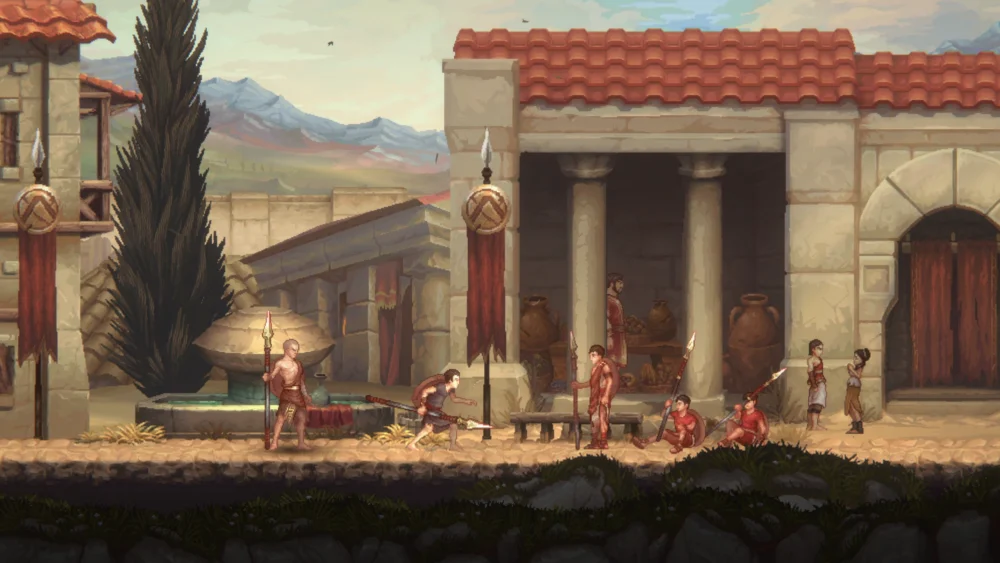
In an unexpected turn of events during Sony’s recent State of Play showcase, the acclaimed God of War saga has expanded with the immediate release of a brand-new title, God of War: Sons of Sparta, now available for PlayStation 5 owners. This surprise launch marks a significant departure for the series, venturing into the realm of 2D side-scrolling action to explore a previously untouched chapter of Kratos’s early life.
The announcement, made as a closing highlight of the February 2026 presentation, sent ripples of excitement through the gaming community. God of War: Sons of Sparta is not merely a spin-off; Sony has confirmed its canonical status, positioning it as an essential narrative bridge to understanding the formative years of the legendary Ghost of Sparta. The game plunges players into the brutal Spartan Agoge, the rigorous state-sponsored military training system of ancient Sparta, where a young Kratos endured relentless hardship alongside his brother, Deimos. This period, often alluded to but rarely depicted in such detail, promises to offer profound insights into the crucible that forged Kratos’s indomitable will and his early combat prowess.
According to official statements from Sony, Sons of Sparta will feature Kratos honing his mastery of the spear and shield, ancient Spartan weaponry that predates the iconic Leviathan Axe and Blades of Chaos. Furthermore, players will have the opportunity to wield "divine artifacts known as the Gifts of Olympus," suggesting a blend of classic God of War gameplay elements with new mechanics tailored for the 2D perspective. This exploration of early combat techniques and the acquisition of divine boons is anticipated to provide a fresh yet familiar gameplay loop, appealing to both long-time fans and newcomers to the franchise.
The development of God of War: Sons of Sparta represents a strategic collaboration between Sony’s internal Santa Monica Studio, the venerable custodians of the God of War IP, and Mega Cat Studios, a developer recognized for its expertise in retro-inspired game design. This partnership hints at a deliberate effort to capture the spirit of classic side-scrolling action games while infusing it with the narrative depth and thematic resonance that has become synonymous with the God of War franchise. The game is priced at $29.99 for the standard edition, with a Digital Deluxe version available for $39.99, indicating a mid-tier release designed for broad accessibility.
Beyond the immediate gratification of Sons of Sparta, Sony also unveiled a monumental undertaking: a full remake of the original God of War trilogy. This ambitious project aims to bring Kratos’s initial Greek saga into the modern era with enhanced visuals, gameplay refinements, and potentially updated narrative elements. The return of TC Carson as the voice of Kratos, a voice actor deeply associated with the character’s early iterations, is a particularly resonant piece of news, signaling a commitment to honoring the franchise’s legacy. However, Sony has cautioned that this remake is in its nascent stages of development, emphasizing that significant time will pass before further details can be shared, with a promise of a substantial update when the moment is right.
The decision to release a 2D prequel on current-generation hardware, while simultaneously announcing a remake of the foundational trilogy, showcases a multifaceted strategy by Sony. On one hand, Sons of Sparta offers a unique, experimental avenue for narrative expansion, allowing the exploration of a specific, character-defining period without the immense development costs and technical demands of a full 3D AAA title. This approach enables a quicker release cycle and caters to a segment of the player base that appreciates retro-inspired gameplay. On the other hand, the remake of the original trilogy addresses a clear demand from long-time fans to re-experience Kratos’s epic journey through the Greek pantheon with contemporary fidelity.
The choice of a 2D side-scroller for Sons of Sparta is particularly noteworthy in the context of modern gaming trends. While 2D games have seen a resurgence in popularity, the God of War franchise has historically been a flagship for pushing the boundaries of 3D graphics and cinematic presentation. This pivot suggests a deliberate desire to explore different gameplay paradigms and narrative delivery methods. It allows for a focus on tight combat mechanics, intricate level design, and character-driven storytelling that can be effectively conveyed through a more intimate, focused perspective. The emphasis on Kratos’s early training and his relationship with Deimos, a character whose tragic fate is deeply intertwined with Kratos’s own, offers fertile ground for emotional resonance, even within a 2D framework.

The collaboration with Mega Cat Studios is also a strategic move. Their pedigree in developing games that evoke the aesthetics and gameplay of 8-bit and 16-bit eras provides a valuable asset in ensuring the authenticity and quality of Sons of Sparta‘s retro presentation. This partnership allows Santa Monica Studio to focus on the overarching narrative and character development while entrusting the execution of the core gameplay loop to specialists in the genre. The success of such collaborations often hinges on a shared vision and effective communication, and the early reception suggests a promising synergy.
The pricing model for Sons of Sparta also warrants attention. At $29.99, it positions the game as a premium, yet accessible, experience. This price point allows for a substantial offering of content without the prohibitive cost of a full-priced AAA release. The inclusion of a Digital Deluxe version, presumably with additional cosmetic items or in-game bonuses, further caters to different player preferences and provides an additional revenue stream. This tiered approach is becoming increasingly common in the industry, offering value at various levels.
Looking ahead, the announcement of the God of War trilogy remake is arguably the more significant long-term development for the franchise. The original trilogy, comprising God of War, God of War II, and God of War III, is a cornerstone of PlayStation history. These titles defined a generation of action games with their visceral combat, epic boss battles, and compelling narratives of vengeance and hubris. A modern remake has the potential to introduce these seminal works to a new generation of players who may have only experienced Kratos in his later, more nuanced Norse adventures. It also offers existing fans the opportunity to revisit these classics with the visual fidelity and gameplay improvements that have become standard in the industry.
The return of TC Carson is a crucial element in this endeavor. His gravelly voice and commanding presence were instrumental in defining Kratos’s character in his early appearances. His involvement suggests a commitment to preserving the essence of the original performances while potentially integrating them with updated dialogue or narrative context. The success of such remakes often depends on striking a delicate balance between reverence for the source material and the implementation of modern design principles.
The cautious announcement regarding the remake’s development timeline indicates a desire to avoid setting unrealistic expectations. "Still very early in development" implies that the project is in its initial conceptualization and prototyping phases. This is a wise approach, as remakes of this magnitude require extensive planning, asset creation, and gameplay re-engineering. The promise of a "big one" when an update is ready suggests that Sony is aiming for a comprehensive overhaul rather than a superficial graphical upgrade.
The strategic implications of these two announcements are far-reaching. God of War: Sons of Sparta serves as a creative playground, allowing Santa Monica Studio to experiment with different gameplay styles and narrative focuses while leveraging the established brand recognition of God of War. It also provides an opportunity to explore the lore and character development in a more focused manner, potentially enriching the overarching narrative of the franchise. Simultaneously, the remake of the original trilogy signals a commitment to preserving and celebrating the franchise’s storied past, ensuring that its foundational works remain accessible and relevant for years to come.
This dual approach allows Sony to cater to a diverse audience. The immediate release of Sons of Sparta offers a fresh experience for players seeking new content, while the promise of the trilogy remake generates long-term anticipation and appeals to the nostalgia of the franchise’s established fanbase. It is a strategy that balances immediate gratification with a commitment to the franchise’s enduring legacy. The success of these ventures will undoubtedly shape the future direction of the God of War series, potentially paving the way for further explorations of Kratos’s past or new narrative arcs in its current Norse setting. The surprise launch of Sons of Sparta, in particular, underscores the evolving nature of game development and marketing, where unexpected releases can generate significant buzz and engagement. As players delve into Kratos’s Spartan youth, the industry will be watching to see how this new chapter impacts the enduring mythos of one of gaming’s most iconic characters.


 Lisa Mariana
 Safa Marwah
 Ayu Aulia