Lisa Mariana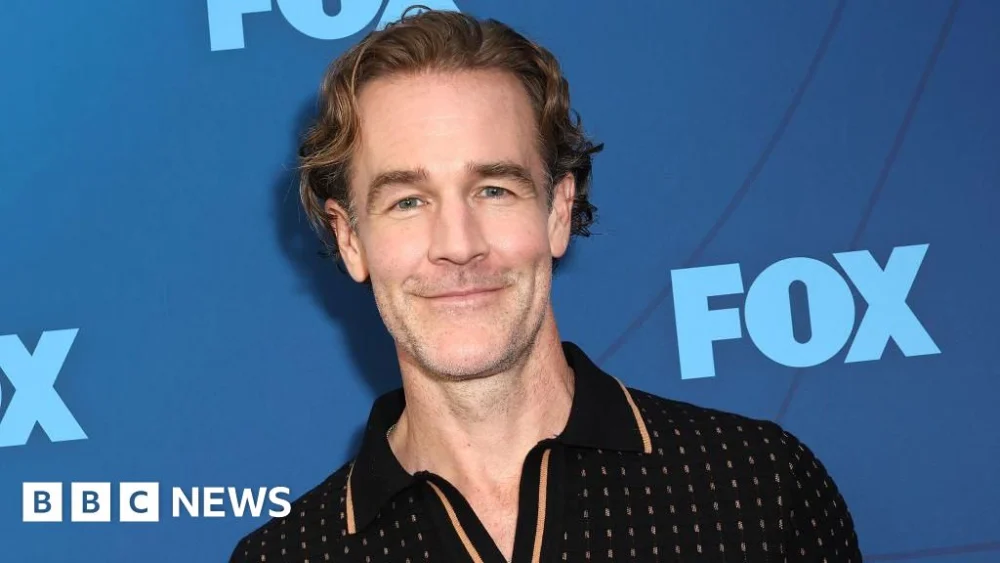
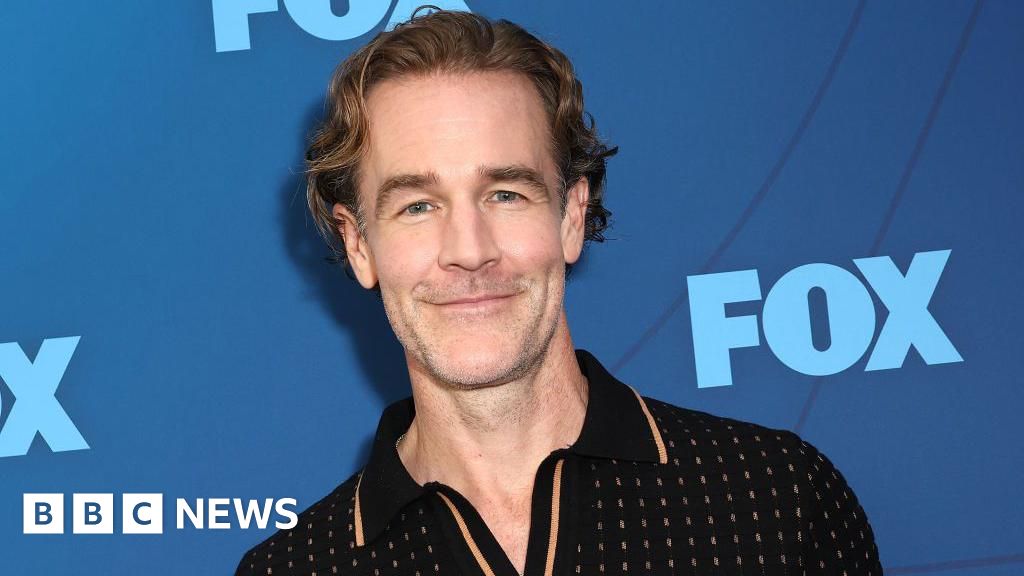
The entertainment world is in mourning following the untimely passing of James Van Der Beek, the esteemed actor whose indelible performance as Dawson Leery cemented his status as a cultural icon for a generation. Van Der Beek, celebrated for his starring role in the seminal late-1990s adolescent drama Dawson’s Creek, died at the age of 48 after a valiant struggle with colorectal cancer, a battle he faced with remarkable candor and grace.
The actor’s family released a statement through his social media channels, confirming his peaceful passing: "Our beloved James David Van Der Beek passed peacefully this morning. He met his final days with courage, faith, and grace." This sentiment echoed the fortitude he displayed throughout his public health journey, which saw him transform his personal fight into a platform for vital awareness. His diagnosis, initially made in the latter half of 2023, was not publicly disclosed until November 2024, a decision that allowed him a measure of privacy during the initial phases of his treatment before he chose to share his experience with the world.
Van Der Beek’s career spanned decades, marking him as a versatile performer capable of navigating the demanding landscape of Hollywood, from his breakthrough as a teen idol to his later nuanced and often self-aware roles. Beyond the confines of Capeside, the fictional setting of Dawson’s Creek, he made significant contributions to both film and television. His cinematic repertoire included the impactful 1999 coming-of-age sports drama Varsity Blues, which showcased a different facet of his acting prowess, cementing his appeal beyond the television screen. His subsequent work demonstrated a deliberate evolution, including a critically acclaimed turn portraying a fictionalized, often self-deprecating version of himself in the cult television series Don’t Trust the B—- in Apartment 23, a role that underscored his comedic timing and willingness to subvert his public image. Later, his participation in the 28th season of the popular competitive dance series Dancing with the Stars further endeared him to audiences, revealing a vulnerability and dedication that resonated deeply.
The actor’s personal journey with colorectal cancer began with subtle but persistent physiological changes. In an interview with Business Insider, he recounted experiencing alterations in his bowel movements, a common early indicator of the disease. Initially attempting to address the symptoms through dietary adjustments, such as ceasing coffee consumption, he ultimately sought medical evaluation, which led to a screening test. The results were stark: a diagnosis of stage three colorectal cancer, indicating that the malignancy had progressed beyond the primary tumor site and spread to nearby lymph nodes. This stage of the disease necessitates aggressive treatment protocols, often involving surgery, chemotherapy, and radiation, underscoring the severity of his condition at the time of diagnosis.
Colorectal cancer, a broad term encompassing cancers of the colon and rectum, originates from abnormal growths, known as polyps, within the inner lining of the large intestine. If these polyps are not detected and removed, they can transform into malignant tumors and, as was the case for Van Der Beek, metastasize to adjacent lymph nodes and potentially distant organs. Medical statistics indicate a higher incidence rate of colorectal cancer among men compared to women. However, advancements in diagnostic techniques and increased public health campaigns advocating for regular screenings have played a pivotal role in detecting the disease at earlier, more treatable stages, consequently contributing to a reduction in overall mortality rates. These screening interventions, such as colonoscopies and stool-based tests, are crucial for identifying precancerous polyps or early-stage cancers before they become more advanced and challenging to manage.
Van Der Beek candidly shared the profound emotional and psychological toll of his illness, revealing that his "lowest point" during treatment involved grappling with a profound sense of identity loss. "All these beautiful things that I love, and I used to define myself as – a father, a provider, a husband – all that got taken away, or at least paused," he articulated. This sentiment speaks to the universal struggle many individuals face when confronted with severe illness, where fundamental aspects of their self-perception and daily life are disrupted. His subsequent introspection led to a powerful realization of inherent self-worth: "I had to sit there and say, ‘Well, what am I?’ And it was, ‘I’m still worthy of love.’" This poignant reflection offers a profound insight into his resilience and capacity for self-acceptance amidst immense adversity, transforming a deeply personal crisis into a message of hope and strength for others.
In the wake of his diagnosis, Van Der Beek dedicated significant effort to raising public awareness regarding the critical importance of colorectal cancer screening. His advocacy underscored the life-saving potential of early detection, urging individuals, particularly those approaching or beyond the recommended screening age, to undergo regular examinations. "I’ve learned a lot," he told Business Insider, emphasizing his desire to prevent others from enduring similar hardships. "If I can save anyone from having to go through this, that’s magic." His willingness to openly discuss a disease that many find uncomfortable to address contributed significantly to destigmatizing conversations surrounding colorectal health, leveraging his public profile for a cause of paramount public health importance.
His professional commitments continued even as he navigated his health challenges. Earlier this year, he made a guest appearance in the Prime Video college comedy Overcompensating, demonstrating his unwavering dedication to his craft. This recent work showcased his enduring talent and adaptability within the ever-evolving landscape of digital entertainment.

The profound impact of Dawson’s Creek on popular culture and the deep bonds forged among its cast were evident in a poignant reunion event. Michelle Williams, Katie Holmes, Joshua Jackson, and Busy Philipps, his co-stars from the iconic series, participated in a live table reading of the show’s pilot episode from 1998. The event, which served as a tribute to Van Der Beek, also featured Broadway luminary Lin-Manuel Miranda, who graciously stepped in to read Van Der Beek’s lines. This gathering not only raised funds for F Cancer, a charity dedicated to cancer prevention and support, but also served as a heartfelt demonstration of solidarity and affection for their ailing castmate, underscoring the lasting camaraderie that defined their shared experience on the show.
Reflecting on his early life, Van Der Beek revealed in a 2020 interview with ABC News a surprising childhood aspiration that diverged sharply from his eventual career path. "I never wanted to be an actor as a kid. I wanted to be an athlete," he stated, illustrating the serendipitous nature of his entry into the performing arts. This revelation offered a glimpse into the unexpected turns his life took, from childhood dreams of athletic prowess to becoming a household name in the entertainment industry. His journey from a shy child to a confident performer who captivated millions speaks volumes about his growth and adaptability.
James Van Der Beek’s legacy is multifaceted. He will forever be remembered as the earnest, introspective Dawson Leery, a character who embodied the anxieties and aspirations of late adolescence, shaping the narrative of teen dramas for years to come. Beyond this defining role, his career demonstrated a sustained commitment to diverse projects, showcasing an impressive range from dramatic intensity to comedic self-awareness. In his final chapter, he emerged as a courageous advocate for health awareness, turning his personal adversity into a beacon of hope and a call to action for countless individuals. His passing at a relatively young age underscores the urgent need for continued research, awareness, and early detection efforts in the fight against diseases like colorectal cancer. James Van Der Beek leaves behind not only a rich body of work that continues to resonate with audiences but also an inspiring testament to resilience, self-discovery, and the power of using one’s voice for the greater good. His contributions to entertainment and public health will be remembered for generations to come.


 Aura Kasih
 Safa Marwah
 Ayu Aulia