
 Ridwan Kamil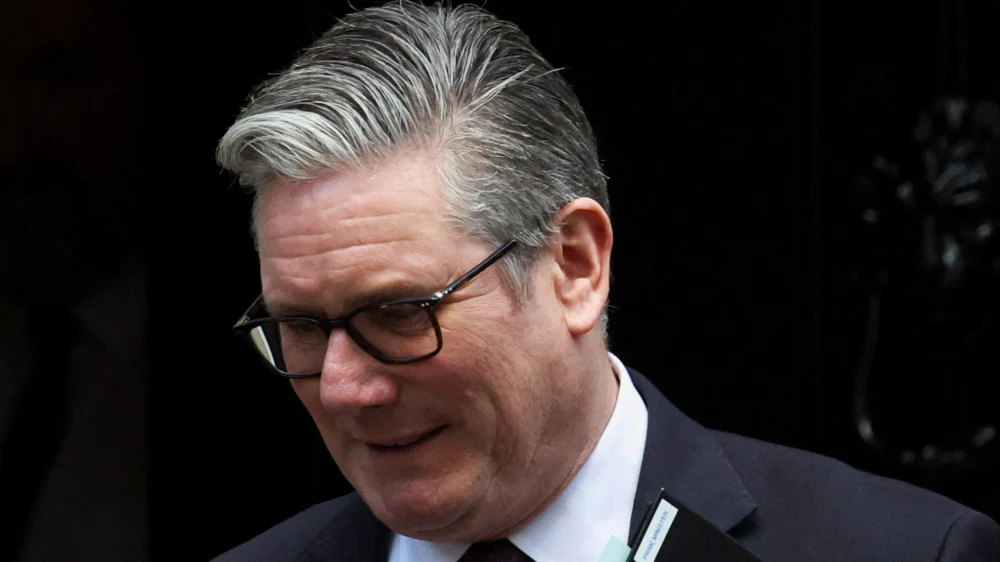
A significant internal rift has emerged within the UK’s Labour Party, with the leader of Scottish Labour reportedly poised to publicly demand the resignation of Keir Starmer, the national party leader. This dramatic development signals a deep-seated dissatisfaction with Starmer’s leadership and raises critical questions about the party’s direction and electability heading into a crucial electoral period. The move, if it materializes as widely anticipated, represents a potentially seismic shift in the ongoing narrative surrounding Labour’s strategy and its prospects for regaining power.
The reported call from the Scottish Labour leader for Keir Starmer’s resignation is far from an isolated incident; it is the culmination of a series of escalating tensions and strategic disagreements that have been simmering within the Labour Party for some time. This impending public challenge to Starmer’s authority underscores a growing perception among some within the party that his leadership is not only failing to galvanize the electorate but may, in fact, be actively hindering Labour’s path to victory. The context for such a drastic move is multifaceted, encompassing concerns over policy direction, electoral strategy, and the perceived ability of the current leadership to connect with a broad swathe of the British populace.
At the heart of this internal turmoil lies a divergence of opinion on how best to present Labour as a credible alternative government. Critics of Starmer’s leadership often point to a perceived lack of a clear, compelling narrative that resonates beyond the party’s traditional base. They argue that the current approach, while aiming for broad appeal, has resulted in a diluted policy platform that fails to ignite enthusiasm and inspire confidence among voters seeking decisive change. This perceived ambiguity, they contend, leaves the party vulnerable to attacks from political opponents and fails to articulate a vision that addresses the pressing challenges facing the nation.
Furthermore, the electoral performance of the Labour Party in recent years, particularly in Scotland, has been a significant factor fueling this discontent. The historical dominance of Labour in Scotland has waned considerably, with the Scottish National Party (SNP) establishing a strong foothold. While the reasons for this shift are complex and involve a confluence of national and regional political dynamics, some within Labour attribute the continued electoral struggles in Scotland, and indeed elsewhere, to a leadership that has not effectively countered the prevailing political winds or offered a sufficiently inspiring alternative. The Scottish leader’s potential intervention, therefore, can be seen as a direct response to these persistent electoral challenges and a desperate attempt to alter the party’s trajectory.
The call for Starmer to step down is likely to be framed not as a personal attack, but as a necessary strategic recalidation. Those advocating for a change in leadership will argue that the current direction is unsustainable and that a new figurehead is required to unite the party, articulate a more robust policy agenda, and inspire the public. The debate is likely to revolve around questions of vision, decisiveness, and the ability to connect with voters on a visceral level. This internal pressure could have significant ramifications, not only for the future leadership of the Labour Party but also for its policy platform, its electoral strategy, and its overall positioning within the UK political landscape.
The implications of such a public challenge are profound. It signals a potential leadership crisis that could destabilize the party at a critical juncture. The media attention generated by such a move would inevitably distract from Labour’s efforts to present itself as a government-in-waiting and could be exploited by political opponents. The internal divisions, if allowed to fester, could alienate potential voters and further erode public trust. The outcome of this internal struggle will undoubtedly shape the future of the Labour Party and its ability to contend for power in the foreseeable future.
Beyond the immediate political fallout, the situation raises broader questions about the nature of leadership within large political organizations. It highlights the perennial tension between maintaining party unity and fostering robust internal debate. The challenge to Starmer’s leadership will likely provoke a wider discussion about the qualities required for effective leadership in the contemporary political environment, the importance of a clear ideological compass, and the need for a compelling narrative that can resonate with a diverse electorate.
The economic backdrop against which these internal party machims play out is also significant. With the cost of living crisis, persistent inflation, and ongoing concerns about public services, the electorate is looking for clear and decisive solutions. Labour, as the main opposition party, has a crucial role to play in offering these solutions. However, internal strife can undermine its credibility and ability to be seen as a serious contender for government. The focus on leadership challenges risks overshadowing the substantive policy debates that are vital for addressing the nation’s pressing issues.
Moreover, the specific context of Scottish Labour’s potential intervention cannot be ignored. Scotland represents a critical battleground in UK general elections, and the performance of the Labour Party there has been a consistent concern. If the Scottish leadership feels that the current national strategy is detrimental to their electoral prospects, their public intervention becomes a strategic imperative for their own survival and influence within the broader UK party. This underscores the complex federal nature of the Labour Party and the distinct regional challenges it faces.
The future trajectory of the Labour Party will depend heavily on how this internal conflict is managed. If the challenge to Starmer’s leadership gains significant traction, it could lead to a leadership contest, a process that is often protracted and divisive. Alternatively, Starmer might seek to weather the storm, attempting to reassert his authority and address the criticisms leveled against him. The way in which these internal dynamics are resolved will have a lasting impact on the party’s identity, its policy direction, and its chances of forming the next government. The coming weeks and months are likely to be a period of intense political maneuvering and strategic assessment for the Labour Party, with the potential for significant shifts in its leadership and its overall political standing. The stakes are undeniably high, both for the party itself and for the broader political landscape of the United Kingdom.


 Aura Kasih
 Safa Marwah
 Lisa Mariana


 Ayu Aulia