Lisa Mariana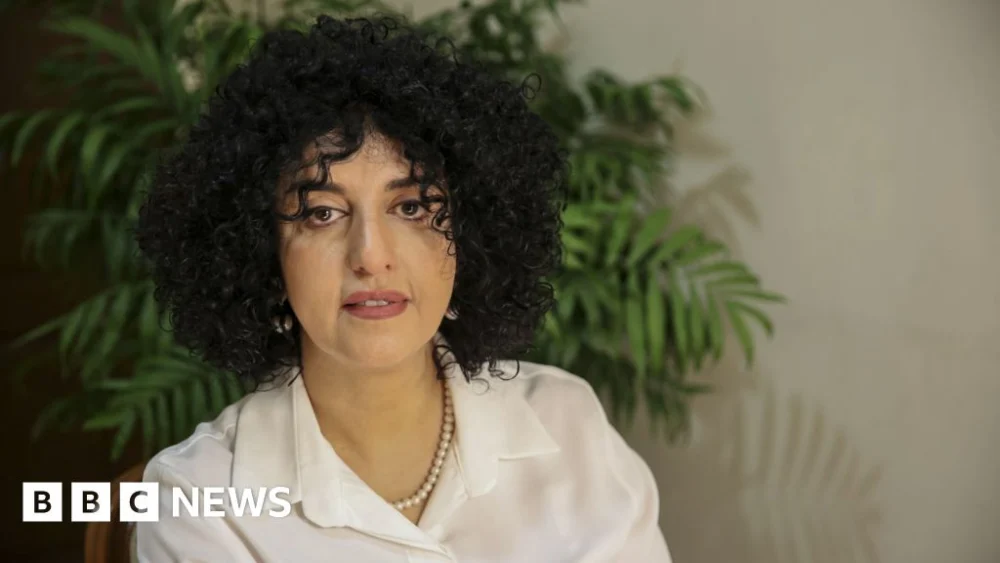
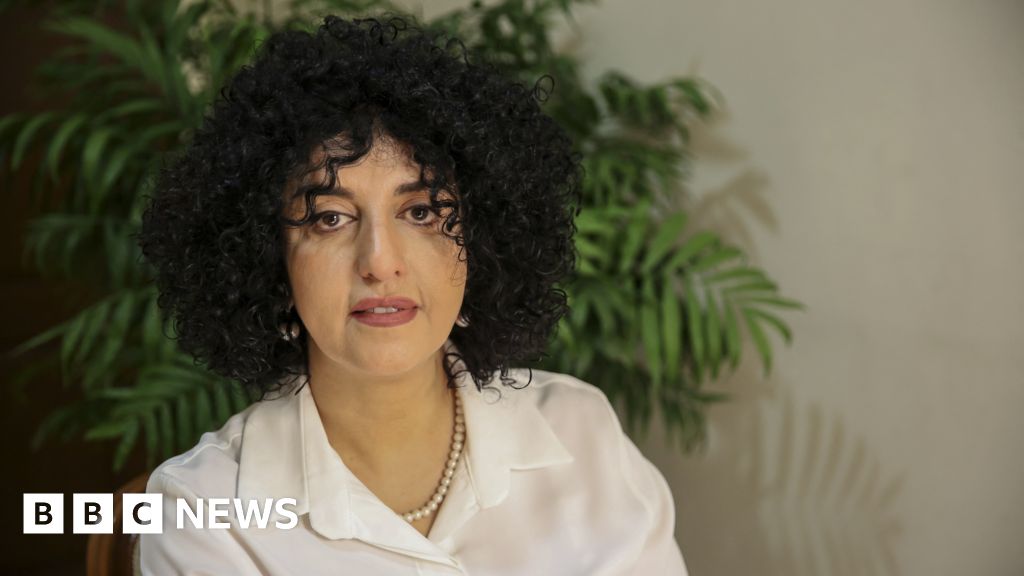
Esteemed human rights defender Narges Mohammadi, recipient of the 2023 Nobel Peace Prize, has been subjected to additional severe penalties by the Iranian judicial system, her legal counsel confirmed, extending her already lengthy incarceration and imposing further restrictions on her freedom. This latest conviction, adding years to her existing prison term, underscores the persistent challenges faced by activists within the Islamic Republic and highlights the regime’s unwavering stance against dissent, even in the face of significant international condemnation.
The recent judgment, handed down by a court in the northeastern city of Mashhad, saw Ms. Mohammadi condemned to six years for "gathering and collusion," alongside an additional one-and-a-half years for "propaganda activities." These charges, frequently invoked against political dissidents in Iran, reflect the authorities’ broad interpretation of national security threats and their systematic efforts to suppress critical voices. Mostafa Nili, Ms. Mohammadi’s lawyer, conveyed this development via social media, marking the first direct communication he had with his client since mid-December. Beyond the custodial sentences, the court also imposed a two-year prohibition on her ability to leave the country and mandated two years of internal exile to the remote eastern Khusf region, further isolating her from her network and family.
Narges Mohammadi, now 53 years old, was recognized with the Nobel Peace Prize in October 2023 for her tireless and courageous advocacy against the oppression of women in Iran and her relentless promotion of human rights and freedom for all. This global acknowledgment brought unprecedented attention to her plight and the broader human rights situation in Iran, yet it appears to have done little to deter the domestic authorities from continuing their punitive actions against her. Indeed, the subsequent sentencing can be interpreted as a defiant response by the Iranian government to international pressure and recognition of its critics.
The Narges Foundation, an organization dedicated to supporting her work, vehemently denounced the recent court proceedings as a "sham," asserting that the judicial process lacked any semblance of fairness or impartiality. In protest against her treatment and the illegitimacy of the legal system, Ms. Mohammadi reportedly initiated a hunger strike on February 2nd. Her deteriorating health during this period became a serious concern, with her lawyer revealing that she had been transferred to a hospital due to her "poor physical condition" just days before his limited communication with her. Upon her return to the detention facility, the brief phone call with her lawyer was abruptly terminated as she began to recount the specifics of her detention and the events leading to the court hearing, raising further questions about the transparency and legality of her confinement.
Ms. Mohammadi’s husband, Taghi Rahmani, provided further insight into her steadfast defiance during the trial. He communicated that she deliberately offered no defense in court, driven by her profound conviction that the Iranian judiciary lacks any legitimate authority and that the entire process constituted "a mere charade with a pre-determined end." According to Mr. Rahmani, Ms. Mohammadi, though likely compelled to attend the hearing, maintained a resolute silence, refusing to utter a single word or affix her signature to any document presented to her. He characterized the new sentence to international media as "cruel and very unfair," issuing an urgent plea to human rights organizations worldwide to vociferously protest the ruling and advocate for her immediate release. Their daughter, Kiana Rahmani, echoed these sentiments, expressing profound "grave concern" for her mother’s well-being and safety.
This latest conviction adds significantly to Ms. Mohammadi’s already extensive record of judicial persecution. She has already endured more than a decade of imprisonment throughout her life, a testament to her unyielding commitment to human rights despite severe personal costs. The Narges Foundation calculates that with this new judgment, the cumulative prison sentences she has been ordered to serve now total an staggering 44 years. Since 2021, she has been serving a 13-year sentence based on charges of "propaganda activity against the state" and "collusion against state security," allegations which she has consistently and categorically denied.
The context surrounding her most recent arrest is equally telling. In December 2024, Ms. Mohammadi had been granted a temporary release from Tehran’s notorious Evin prison for a period of three weeks on compassionate medical grounds. However, she was anticipated to return to custody shortly thereafter to continue serving her multiple sentences. Her subsequent re-arrest occurred as she was attending a memorial service for Khosrow Alikordi, a prominent lawyer whose death in his office in early December was shrouded in suspicious circumstances. The Norway-based human rights organization, Iran Human Rights, has since called for an independent inquiry into Mr. Alikordi’s death, highlighting a pattern of unexplained deaths among critics and dissidents within Iran.
Eyewitness accounts, as reported by the Narges Foundation, describe a brutal scene at the memorial event, where approximately 15 plainclothes agents of the regime allegedly assaulted Ms. Mohammadi. These accounts detail agents pulling her hair and assaulting her with clubs and batons, indicating a disproportionate and violent response to her presence at a gathering honoring a fellow legal professional. In contrast, Mashhad prosecutor Hasan Hematifar presented a different narrative, stating to reporters that Ms. Mohammadi was among 39 individuals arrested. He accused her and Mr. Alikordi’s brother of inciting attendees to "chant norm-breaking slogans" and "disturb the peace," framing their actions as a violation of public order rather than a peaceful expression of mourning or dissent.
Ms. Mohammadi’s ongoing struggle is deeply intertwined with the broader protest movement that swept across Iran in late 2022, ignited by the death of Mahsa Amini in police custody. She was among the signatories of a powerful petition that unequivocally criticized the Iranian authorities, holding Iran’s Supreme Leader Ayatollah Ali Khamenei directly responsible for what the petition termed "crimes against humanity" in connection with the killing of protesters during the widespread unrest. The petition boldly called for the prosecution of those acting under Khamenei’s directives and, more profoundly, demanded an end to the Islamic Republic itself. This document represented a significant act of defiance, particularly given the severe repercussions for challenging the highest echelons of power in Iran.
The scale of the crackdown following these protests has been staggering. The US-based Human Rights Activists News Agency (HRANA) has documented over 50,000 arrests linked to the demonstrations and has confirmed the deaths of more than 6,500 protesters. This data paints a grim picture of the state’s response to any perceived challenge to its authority, characterized by widespread arrests, severe penalties, and deadly force. The targeting of individuals associated with the petition further illustrates this repressive strategy; since January 31st, four other prominent Iranian activists – Abdollah Momeni, Mehdi Mahmoudian, Vida Rabbani, and Ghorban Behzadian-Nejad – have also been arrested for their contribution to the document, signaling a concerted effort to silence collective dissent.
The Iranian judiciary, far from operating as an independent arbiter of justice, is widely perceived by human rights observers as a tool for political suppression. Cases against activists like Ms. Mohammadi are often characterized by a lack of due process, opaque proceedings, and predetermined outcomes. The charges of "gathering and collusion" and "propaganda activities" are sufficiently vague to be applied broadly, effectively criminalizing any form of organized or expressed dissent against the state. The imposition of internal exile, a practice reminiscent of historical authoritarian regimes, serves not only to punish but also to isolate activists, severing their ties with support networks and making continued advocacy significantly more challenging.
The international community’s response to Ms. Mohammadi’s continued persecution remains a critical element in this unfolding narrative. While the Nobel Peace Prize brought global attention and a measure of protection, it has clearly not insulated her from the full force of the Iranian state’s repressive apparatus. Human rights organizations, international bodies, and democratic governments are now confronted with the challenge of how to effectively respond to this blatant disregard for fundamental human rights and international norms. Calls for her release, such as those made by her husband for "all political prisoners in Iran," are amplified by her status as a Nobel laureate, yet Iran consistently rejects what it deems as foreign interference in its internal affairs.
The long-term implications of this intensified repression are multifaceted. For human rights advocacy within Iran, Ms. Mohammadi’s case serves as both an inspiration and a stark warning. Her unwavering courage, even from behind bars, continues to galvanize activists, demonstrating that dissent, though costly, is not extinguished. However, the escalating penalties and the severity of the state’s response also underscore the immense risks involved, potentially leading to further self-censorship and a chilling effect on nascent movements. Globally, the situation tests the efficacy of international recognition and diplomacy in influencing the behavior of states like Iran, which prioritize internal control over external approbation. As Narges Mohammadi endures further imprisonment, her story remains a poignant symbol of the enduring struggle for freedom and justice in one of the world’s most restrictive environments.



 Aura Kasih
 Safa Marwah
 Ayu Aulia