
 Ridwan Kamil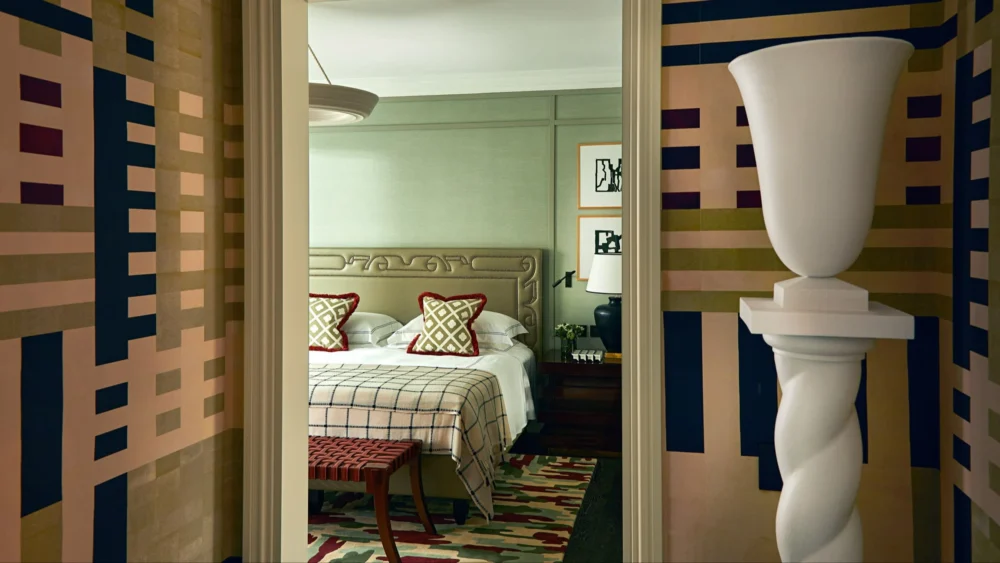
Despite a prevailing sense of economic uncertainty and a perceived cooling in the broader luxury market, the world’s most exclusive hotels are not only maintaining their premium pricing but are actively setting new benchmarks, demonstrating a remarkable resilience and a distinct segment of demand that remains largely insulated from wider market fluctuations. This trend suggests a divergence within the luxury sector, where ultra-high-net-worth individuals continue to prioritize unparalleled experiences and exclusivity, even at unprecedented cost.
The phenomenon of escalating prices in the most prestigious hotel accommodations is not merely a reflection of inflation; it signifies a strategic recalibration of value perception within the apex of the hospitality industry. These establishments, often characterized by their storied histories, bespoke services, and prime global locations, are leveraging an unyielding demand from a clientele for whom price is a secondary consideration to uniqueness, privacy, and an uncompromising standard of excellence. This segment of the market, comprising individuals whose wealth places them far beyond the reach of typical economic downturns, views these accommodations not just as places to stay, but as integral components of a lifestyle defined by privilege and curated experiences.
The Dynamics of Elite Demand
The sustained success of these high-priced hotels can be attributed to several interconnected factors. Foremost among these is the unwavering purchasing power of the global ultra-high-net-worth (UHNW) demographic. While economic slowdowns may impact aspirational luxury consumers, the wealthiest individuals often possess diversified assets and income streams that shield them from the most severe effects. For this group, travel to the most exclusive hotels represents a form of status signaling, a pursuit of unique experiences, and a means of maintaining social connections within their peer group. The ability to secure a coveted suite in an iconic hotel, often booked months or even years in advance, confers a distinct social capital.
Furthermore, the concept of "luxury slowdown" may be a misnomer when applied to the absolute pinnacle of the market. While mid-tier luxury segments might experience fluctuations, the ultra-luxury sector operates on different principles. The scarcity of truly exceptional offerings – be it a penthouse suite with panoramic city views, a private island villa with dedicated staff, or a historic royal residence reimagined as a hotel – creates a competitive environment among the UHNW, driving up demand and, consequently, prices. Hotels at this level are not merely selling rooms; they are selling access to exclusivity, unparalleled service, and a level of privacy that is increasingly rare in the modern world.
Exclusivity as a Product
The pricing strategy of these elite hotels is intrinsically linked to their commitment to exclusivity. This is manifested in several ways:
- Limited Inventory: The most sought-after accommodations, such as presidential suites or private villas, are often few in number, creating inherent scarcity. This limited supply, when met with consistent or growing demand, naturally drives up prices.
- Bespoke Services: Beyond the physical amenities, these hotels offer a level of personalized service that is meticulously tailored to each guest’s preferences. This can include dedicated butlers, private chefs, chauffeured transportation, and bespoke itinerary planning. The cost of deploying such highly trained and dedicated staff is substantial and is factored directly into the room rates.
- Unique Experiences: Ultra-luxe hotels differentiate themselves by offering experiences that cannot be replicated elsewhere. This might involve private access to cultural landmarks, exclusive culinary events with renowned chefs, or curated adventures tailored to individual interests. These unique selling propositions justify premium pricing.
- Brand Prestige and Heritage: Many of these hotels are not just accommodations but institutions with significant historical and cultural relevance. Their brand equity, built over decades or even centuries, commands a premium. Guests are paying for the privilege of staying in a place with a legacy, a story, and an aura of timeless elegance.
Economic Resilience and Investment in Experience
The resilience of the ultra-luxe hospitality sector can also be viewed through the lens of shifting consumer priorities. As wealth accumulates, the emphasis often moves from the acquisition of material goods to the accumulation of experiences. For the UHNW, travel and hospitality represent a significant portion of their discretionary spending, and they are willing to allocate substantial budgets to ensure these experiences are of the highest possible caliber.
Moreover, the investment in these premium accommodations can be seen as a form of self-care and status maintenance. In an increasingly complex and demanding world, the ability to retreat to an environment of absolute comfort, security, and attentive service offers a profound form of relaxation and rejuvenation. The impeccable attention to detail, from the thread count of the linens to the curated art on the walls, contributes to an atmosphere of effortless luxury that is highly valued.
The Role of Location and Design
The geographical positioning and architectural design of these hotels also play a critical role in their pricing power. Iconic locations – whether overlooking a bustling metropolis, nestled in a pristine natural landscape, or situated in a historically significant district – add an intrinsic value that is reflected in the room rates. Similarly, the design and architecture of the hotels themselves, often featuring bespoke interiors by world-renowned designers and architects, contribute to their allure and justify premium pricing. These are not just buildings; they are often works of art and engineering that offer a unique aesthetic experience.
Navigating the "Luxury Slowdown" Narrative
The narrative of a "luxury slowdown" might be more applicable to the broader luxury goods market or to more accessible tiers of the hospitality industry. The top tier of the luxury hotel market operates with a degree of insulation due to the concentrated wealth of its clientele and the unique nature of its offerings. While global economic events can create a general sense of caution, the spending habits of the UHNW segment are less susceptible to minor economic tremors.
Furthermore, the definition of "luxury" itself is evolving. For the ultra-wealthy, it increasingly encompasses aspects like sustainability, ethical sourcing, and authentic cultural immersion, in addition to traditional markers of opulence. Hotels that can successfully integrate these elements into their offering can further enhance their appeal and justify higher price points. The ability to provide a guilt-free luxury experience, one that aligns with the values of a discerning clientele, is becoming a significant differentiator.
Implications for the Hospitality Industry and Beyond
The continued strength of the ultra-luxe hotel sector has several implications:
- Investment and Development: The sustained profitability of these high-end properties will likely encourage continued investment in developing new ultra-luxury hotels and renovating existing ones to meet ever-increasing guest expectations. This could lead to further innovation in design, service, and guest experience.
- Talent Acquisition and Retention: The demand for highly skilled staff capable of delivering exceptional service will intensify. Hotels will need to invest in training and development to attract and retain the talent required to maintain their elite status. This also means offering competitive compensation and benefits.
- Competitive Landscape: As demand remains robust, new players may seek to enter the ultra-luxury market, potentially increasing competition. However, the significant capital investment and the established brand loyalty of existing players present considerable barriers to entry.
- Economic Barometer: The performance of the ultra-luxe hotel sector can serve as an interesting, albeit niche, economic indicator. Its resilience in the face of broader economic challenges suggests a robust underlying wealth base within a specific demographic.
Future Outlook
Looking ahead, the trajectory of the ultra-luxe hospitality market appears set for continued growth, albeit with evolving expectations. The focus will likely remain on hyper-personalization, hyper-exclusivity, and the creation of memorable, transformative experiences. Hotels that can master the art of anticipating guest needs before they are even articulated, while simultaneously offering unparalleled privacy and unique access, will continue to command premium prices.
The concept of "value" in this segment is not about cost-effectiveness but about the perceived worth of the experience delivered. As global wealth continues to be concentrated, the demand for the very best that the hospitality industry can offer is unlikely to diminish. The record-breaking prices seen in these elite establishments are not a sign of irrational exuberance but a testament to the enduring appeal of exclusivity, impeccable service, and the pursuit of extraordinary experiences by those who can afford them. The industry’s ability to innovate and adapt to the evolving desires of its most discerning clientele will be key to maintaining this elevated position in the market. The most exclusive hotels are not just surviving economic headwinds; they are thriving by redefining what luxury means and delivering it at an unparalleled level of quality and exclusivity.


 Aura Kasih
 Safa Marwah
 Lisa Mariana


 Ayu Aulia