
 Aura Kasih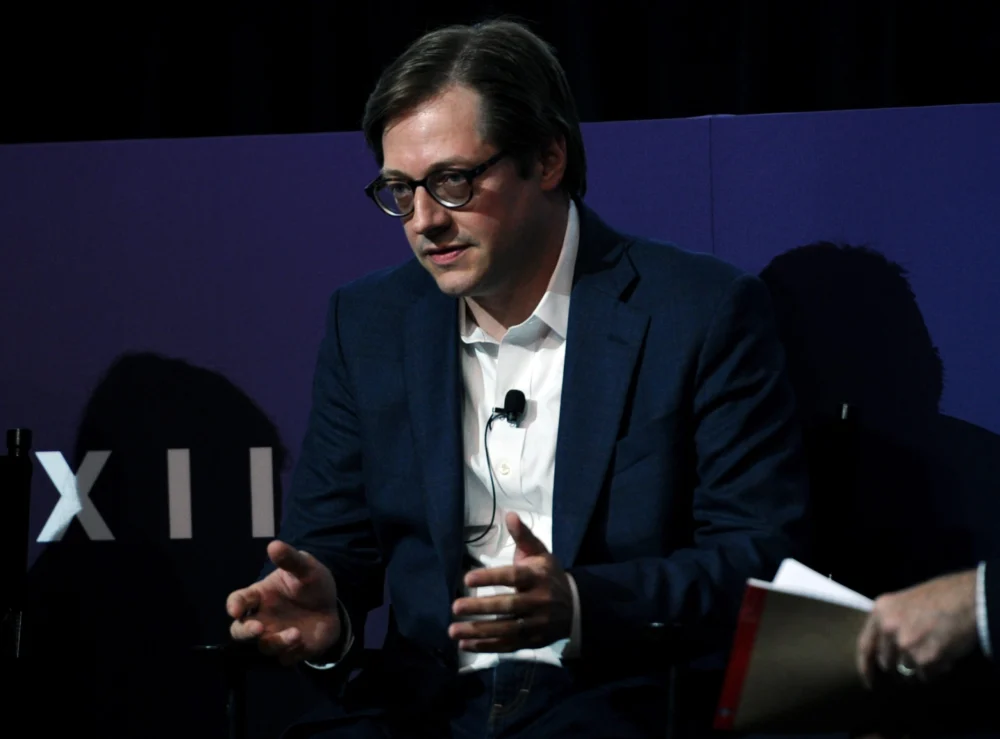
The prestigious Washington Post is entering a new chapter of leadership as its outgoing CEO, Will Lewis, departs after a period marked by considerable organizational restructuring and challenging market conditions. Taking the helm as interim Chief Executive Officer and Publisher is Jeff D’Onofrio, a seasoned executive whose prior experience includes leading the social media platform Tumblr. D’Onofrio’s appointment follows a tumultuous period for the newspaper, which recently implemented significant staff reductions.
The departure of Will Lewis as CEO of The Washington Post signals a pivotal moment for the venerable publication. Lewis’s tenure, though relatively brief, was characterized by ambitious initiatives and significant strategic adjustments, including a substantial reduction in workforce. This move comes on the heels of a wave of layoffs that have impacted newsrooms across the industry, reflecting the ongoing economic pressures and evolving digital landscape that news organizations are grappling with. The Post, under Lewis’s leadership, had been exploring various avenues to adapt to these challenges, seeking to innovate and streamline operations in an effort to secure its future. While the specifics of the motivations behind Lewis’s departure are not fully detailed, the timing, immediately following significant personnel changes, suggests a complex interplay of strategic imperatives and market realities.
Jeff D’Onofrio’s ascension to the role of acting CEO and publisher introduces a leader with a distinct background, notably his five-year tenure as the CEO of Tumblr. This appointment is particularly noteworthy given D’Onofrio’s prior role as the Chief Financial Officer of The Washington Post, a position he assumed in June of the preceding year. This internal progression suggests a degree of familiarity with the organization’s current financial state and operational intricacies. His prior experience at Tumblr, a platform that underwent significant transformations under his guidance, offers a unique perspective on managing digital communities and navigating the complexities of user engagement and content moderation in the contemporary internet era.
D’Onofrio’s professional trajectory prior to joining The Post is characterized by a focus on digital platforms rather than traditional print journalism. His leadership at Tumblr, from 2017 to 2022, involved efforts to redefine the platform’s identity, including the implementation of stricter content policies, most notably the ban on adult content. This strategic pivot aimed to address concerns regarding content moderation and to cultivate a more broadly appealing user base. However, this initiative coincided with a notable decline in Tumblr’s traffic, reportedly experiencing a 30 percent reduction. The broader context of Tumblr’s financial history adds further dimension to D’Onofrio’s experience. Yahoo’s acquisition of Tumblr in 2013 for a substantial $1.1 billion was followed by a significantly diminished valuation, with the platform reportedly being sold to Automatic, the owner of WordPress, for less than $3 million in 2019. This dramatic shift in valuation underscores the volatile nature of digital media assets and the challenges inherent in monetizing online platforms.
The Washington Post, a media institution with a rich history of journalistic excellence and a global reach, finds itself at a critical juncture. The recent period of intense scrutiny and organizational change has raised questions about the long-term strategic direction of the newspaper. Under the ownership of Jeff Bezos, the Post has undergone substantial investments and digital transformation efforts. These initiatives have aimed to modernize its operations, expand its digital footprint, and adapt to the evolving preferences of news consumers. However, the recent significant staff reductions underscore the persistent economic pressures facing the news industry, even for well-established publications. The challenges include declining advertising revenues, the increasing competition for audience attention in a crowded digital landscape, and the ongoing debate surrounding sustainable business models for journalism in the 21st century.

D’Onofrio’s background as a CFO, coupled with his experience managing a large-scale social media platform, suggests a pragmatic and financially-oriented approach to leadership. His task will be to steer The Post through this period of transition, balancing the imperative of journalistic integrity with the necessity of financial sustainability. The news industry is currently navigating a complex ecosystem where technological advancements, shifting consumer behaviors, and evolving economic models continuously reshape the landscape. For a legacy publication like The Washington Post, maintaining its editorial independence and commitment to in-depth reporting while adapting to these dynamic forces represents a significant leadership challenge.
The industry-wide trend of layoffs in journalism is not an isolated phenomenon but rather a symptom of deeper structural issues. Many news organizations are struggling to find profitable revenue streams in the digital age. While subscriptions and memberships have emerged as a more viable alternative to advertising for some, they are not a universal solution, and the reliance on them can create its own set of challenges, including market saturation and the need to continuously deliver high-value content to retain subscribers. The ongoing digital transformation necessitates substantial investment in technology, data analytics, and new content formats, all of which require significant financial resources.
D’Onofrio’s leadership at Tumblr, though marked by a significant decline in traffic following content policy changes, also demonstrated a willingness to make bold decisions in an effort to reposition a platform. The sale of Tumblr at a vastly reduced price from its acquisition cost highlights the immense volatility and speculative nature of the digital media market. This experience, while potentially viewed as cautionary, also provides valuable insights into the complexities of managing user bases, content ecosystems, and brand identity in a rapidly changing digital environment. His role as CFO at The Post prior to becoming interim CEO suggests a comprehensive understanding of the organization’s financial health and operational efficiencies, which will be crucial in navigating the current economic climate.
The appointment of an interim leader often signals a period of strategic reassessment and a search for permanent leadership. D’Onofrio’s success in this interim role will likely be measured by his ability to stabilize the organization, foster internal morale following the layoffs, and articulate a clear vision for The Post’s future. The effectiveness of his leadership will also be scrutinized by industry observers, journalists, and the public alike, as The Washington Post remains a significant voice in global news and commentary. The coming months will be critical in determining the short-term trajectory and long-term strategy of the newspaper under this new leadership.
The broader context of media ownership and its impact on journalistic output cannot be overlooked. The Washington Post, under the ownership of Jeff Bezos, has seen significant investment and a renewed focus on digital innovation. However, ownership by a prominent technology entrepreneur also brings its own set of considerations, including the potential for influence and the perception of editorial independence. The dynamics of media ownership in the digital age are a subject of ongoing debate, with proponents arguing that private investment can provide the necessary resources for robust journalism, while critics raise concerns about potential conflicts of interest and the commodification of news.
The Washington Post’s historical significance as a purveyor of in-depth investigative journalism and its role in shaping public discourse are undeniable. The challenges it faces are emblematic of the broader struggles within the news industry to adapt to the digital revolution. The success of any leadership transition hinges on its ability to preserve the core journalistic mission while embracing innovation and securing a sustainable financial future. D’Onofrio’s tenure as acting CEO will be a critical test of his ability to navigate these complex and often conflicting demands. The implications of his leadership will extend beyond the immediate operational concerns, potentially influencing the future of legacy media in an increasingly fragmented and digitally-driven information environment. The industry will be watching closely to see how The Post, under its new interim leadership, charts its course through these turbulent times, aiming to uphold its journalistic legacy while adapting to the evolving realities of the 21st-century media landscape.




 Safa Marwah
 Lisa Mariana

 Ayu Aulia