Lisa Mariana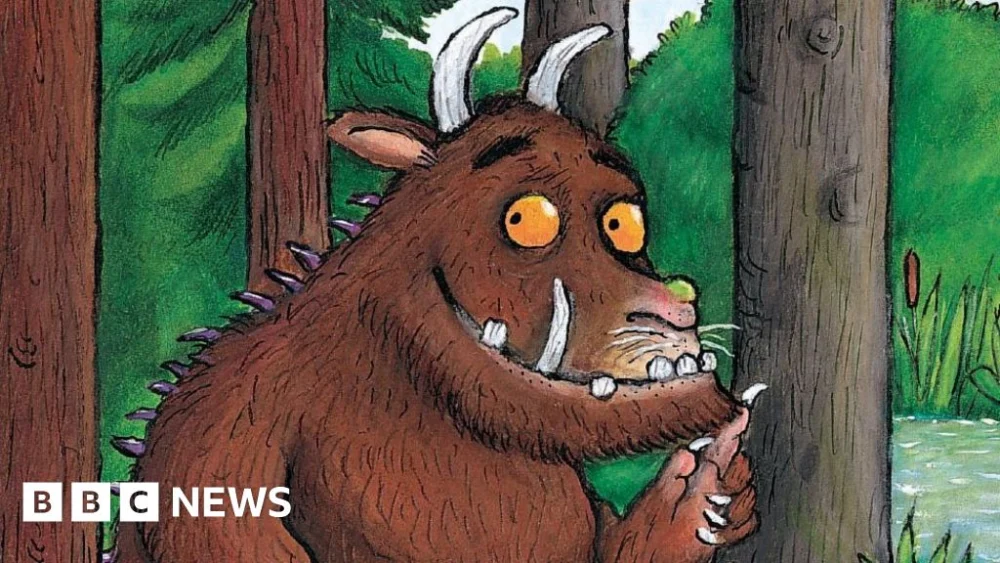
A landmark development in contemporary children’s literature has been announced, with celebrated author Julia Donaldson revealing the title and central new character for the eagerly awaited third installment in her globally beloved Gruffalo series, marking a significant moment for the publishing industry and legions of young readers worldwide.
The announcement of "Gruffalo Granny" signals a highly anticipated expansion of the deep dark wood, a universe that has captivated millions since its inception. Scheduled for a dual release in hardback and audiobook formats on September 10, this forthcoming volume introduces a novel family dynamic while promising the return of cherished characters from previous adventures. This strategic continuation, twenty years in the making, underscores the enduring appeal and commercial power of the Gruffalo brand, co-created with the distinctive illustrative talent of Axel Scheffler. The initial revelation, made during a prominent broadcast on BBC Radio 4’s Today programme, immediately generated considerable interest, highlighting the cultural impact of this literary phenomenon.
The creative partnership between Julia Donaldson and Axel Scheffler is widely regarded as one of the most successful collaborations in modern children’s publishing. Donaldson’s masterful use of rhythmic, rhyming verse, coupled with her innate ability to craft compelling narratives, provides the structural and emotional core of their books. Scheffler’s illustrations, characterised by their warmth, wit, and instantly recognisable style, bring these worlds vividly to life, ensuring that characters like the Gruffalo are not merely described but visually etched into the imaginations of young audiences. This synergy creates a holistic reading experience, where text and image are interdependent, enhancing comprehension and engagement. Their collective portfolio, which includes other bestsellers such as "Room on the Broom" and "Stick Man," attests to their unparalleled ability to consistently deliver high-quality, memorable stories that resonate across diverse cultures and age groups.
The Gruffalo itself represents a publishing phenomenon, transcending its origins as a picture book to become a multimedia empire. First published in 1999, the original tale of a clever mouse outsmarting predators in a perilous forest quickly became a staple in homes and classrooms. Its sequel, "The Gruffalo’s Child," released five years later, further cemented the series’ status, exploring themes of bravery, family, and facing one’s fears. Together, these two books have achieved astounding sales figures, exceeding 18 million copies and translated into an impressive 115 languages and dialects, demonstrating their universal relatability. The distinctive narrative structure, employing suspense and a satisfying resolution, combined with memorable characters, has ensured its longevity and continued relevance in a competitive market.
Julia Donaldson’s candid remarks about the inherent "challenge to write a sequel" provide insight into the meticulous creative process behind extending such a beloved narrative. The difficulty lies not only in maintaining the original’s charm and narrative integrity but also in introducing fresh elements without alienating existing fans. For nearly two decades, the concept for "Gruffalo Granny" resided in Donaldson’s creative archives, awaiting the opportune moment for development. Her personal journey into grandparenthood appears to have provided the necessary inspiration, injecting authentic emotional depth into the new character. This personal connection often imbues storytelling with a unique resonance, suggesting that "Gruffalo Granny" will explore themes of intergenerational relationships and family bonds, adding new layers to the established Gruffalo lore.
Axel Scheffler, initially a vocal skeptic regarding further sequels, expressed his delight and enthusiasm upon receiving Donaldson’s "wonderfully clever and inspired new text." His initial reluctance underscores the pressure associated with revisiting such iconic material; the risk of diluting the original’s impact is ever-present. However, the quality of Donaldson’s new narrative evidently overcame his reservations, leading to his excited return to the drawing board. This mutual excitement from both creators bodes well for the artistic integrity of the forthcoming book, promising that it will meet the high standards set by its predecessors. The process of character design, with an initial glimpse of Gruffalo Granny anticipated later today, is a crucial step in bringing this new dimension to life for expectant audiences.
The forthcoming release is not merely a publishing event but also a significant cultural moment, particularly within the context of the National Year of Reading. Macmillan Children’s Books, the publisher, has strategically timed the launch to amplify its impact, ensuring that "Gruffalo Granny" contributes to national literacy initiatives. Alison Ruane, Macmillan’s managing director, underscored the "unquantifiable impact" of the Gruffalo characters on families globally, recognizing their role as gateways to reading for countless children. The collaboration with the National Literacy Trust, through their "Early Words Matter" programme, highlights a commitment beyond commercial success, leveraging the Gruffalo’s popularity to foster early literacy skills and promote shared reading experiences—a cornerstone of childhood development.
Beyond print, the Gruffalo franchise has successfully transitioned into other media, greatly expanding its reach and cultural footprint. The 2009 animated short film adaptation of the original story, featuring an ensemble of renowned voice actors including James Corden and Helena Bonham Carter, garnered an Oscar nomination, demonstrating its broad appeal and artistic merit. "The Gruffalo’s Child" followed suit two years later, earning a Bafta nomination, further solidifying the brand’s presence in visual storytelling. These adaptations have introduced the Gruffalo to new audiences, reinforcing the characters’ iconic status and ensuring their continued relevance across different platforms. The introduction of "Gruffalo Granny" naturally opens avenues for future animated content, promising new adventures for the screen.

The specific line revealed from the new book, "The Gruffalo said to his daughter one day, Your Gruffalo granny is coming to stay," offers a tantalizing glimpse into the narrative. It immediately establishes the central premise of an intergenerational visit, setting the stage for potential explorations of family dynamics, the passing down of wisdom, or perhaps even a new challenge that only a seasoned Gruffalo Granny can help overcome. The return of familiar characters like the fox, snake, owl, and, crucially, the courageous mouse, suggests a narrative tapestry woven with elements that have resonated so deeply with readers, ensuring a blend of novelty and comforting familiarity.
Scheffler’s reflections on his "denial of another visit to the deep dark wood" prior to Donaldson’s new manuscript provide a humorous yet telling insight into the creative process. His acknowledgment of having "drawn the odd Gruffalo and his daughter over the last 20 years" suggests a latent readiness to revisit the characters, a creative muscle kept warm for just such an occasion. This organic continuation, rather than a forced commercial endeavor, reassures fans of the authenticity and passion behind this third installment. The charitable aspect, involving the Gruffalos in initiatives to reach more young readers, further solidifies the series’ positive impact beyond entertainment.
The public unveiling of Gruffalo Granny’s image, planned for projections in prominent locations in Glasgow and London, represents a sophisticated marketing strategy. This visual reveal builds anticipation and creates a tangible connection between the fictional character and the real world, transforming the announcement into a public event. Such a launch underscores the significance of the Gruffalo brand, treating the introduction of a new character with the gravitas typically reserved for major cultural releases. It also serves as a testament to the power of shared experiences around literature, uniting communities in their excitement for new stories.
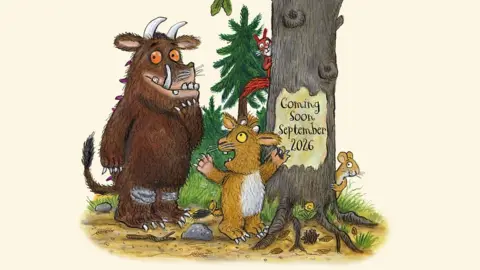
In conclusion, "Gruffalo Granny" is poised to be more than just another children’s book; it is a significant cultural event that reaffirms the enduring legacy of Julia Donaldson and Axel Scheffler. Its release not only expands a beloved literary universe but also reinforces the vital role of engaging storytelling in fostering literacy and intergenerational connection. The strategic timing, the collaborative brilliance of its creators, and the established multimedia presence ensure that this new chapter will undoubtedly captivate a fresh generation of readers while delighting those who have grown up with the Gruffalo, ensuring its place as a cornerstone of children’s literature for years to come.




 Aura Kasih
 Safa Marwah
 Ayu Aulia