Aura Kasih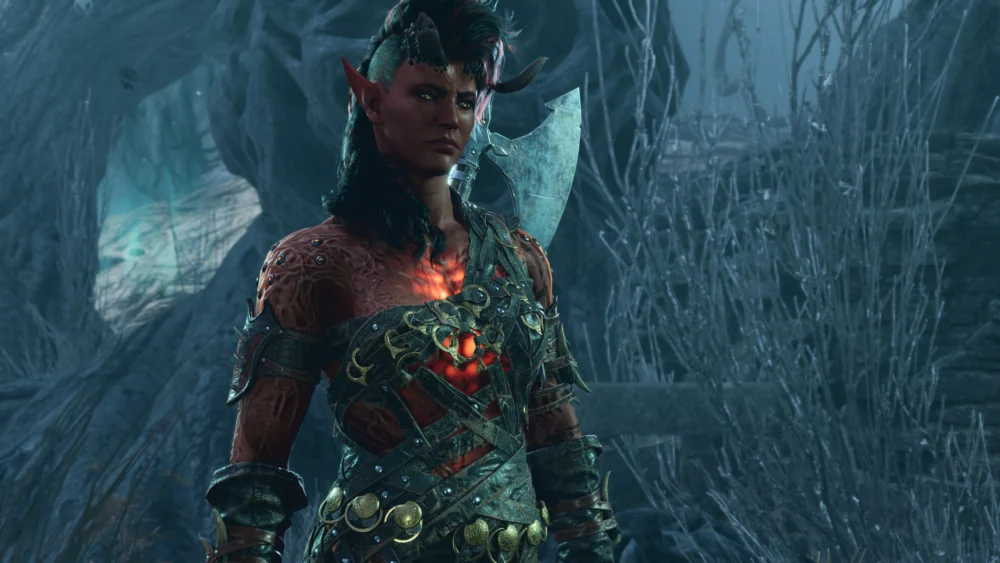
In a significant move for interactive entertainment adaptation, HBO is reportedly developing a television series based on Larian Studios’ critically acclaimed role-playing game, Baldur’s Gate 3, aiming to expand the narrative universe of the Forgotten Realms. The project has tapped Craig Mazin, the celebrated co-creator of HBO’s monumental hit The Last of Us, to spearhead the endeavor as creator, writer, executive producer, and showrunner. This initiative signifies a high-profile commitment to translating the rich lore and intricate storytelling of modern gaming into a prestige television format.
The forthcoming series is envisioned as a direct continuation of the events and world established in Baldur’s Gate 3, a game lauded for its player agency, deep character development, and faithful adaptation of Dungeons & Dragons mechanics. While the television adaptation will introduce a new ensemble of protagonists to explore, a key strategic element of the production involves the potential return of beloved characters from the game. Mazin has indicated intentions to engage with the original voice cast of Baldur’s Gate 3, exploring avenues for their participation and integration into the show’s narrative fabric. This approach suggests a desire to leverage the existing emotional resonance and fan affection for the game’s established figures, thereby bridging the gap between the interactive and passive viewing experiences. The ensemble cast of Baldur’s Gate 3 has been widely praised for their nuanced performances, and their potential involvement in the television adaptation is anticipated to be a significant draw for both existing fans and new audiences.
Details regarding the series’ release timeline remain undisclosed, with no definitive debut date publicly announced. It has been clarified that Larian Studios, the developer behind the groundbreaking game, is not directly involved in the production of the television series. This separation in creative oversight underscores the distinct nature of the adaptation process, where rights holders and production studios collaborate to translate intellectual property across different media. However, the involvement of Craig Mazin, a proven talent in adapting complex narratives for television, lends substantial credibility to the project’s potential success.
Mazin himself expressed profound enthusiasm for the opportunity, articulating a deep personal connection to the source material. "After putting nearly 1000 hours into the incredible world of Baldur’s Gate 3, it is a dream come true to be able to continue the story that Larian and Wizards of The Coast created," he stated, underscoring his extensive engagement with the game. His admiration for Dungeons & Dragons, the foundational tabletop role-playing game upon which Baldur’s Gate 3 is built, is well-documented. Mazin has not only demonstrated a deep understanding of the game’s mechanics and lore but has also reportedly completed the game on its most challenging difficulty setting, Honour Mode. This level of immersion and dedication suggests a creator who is not merely adapting a property but is deeply invested in its thematic core and intricate world-building. This personal commitment is a critical factor in the successful translation of any beloved IP, especially one as rich and detailed as the Forgotten Realms.
The development of a Baldur’s Gate series by HBO, a network renowned for its high-quality, narrative-driven programming, positions the show to potentially achieve a similar critical and commercial success as other acclaimed adaptations. HBO’s track record with franchises such as Game of Thrones and The Last of Us demonstrates a capacity to handle expansive fantasy worlds and complex character arcs with fidelity and artistic integrity. The decision to entrust Craig Mazin with this project further reinforces HBO’s strategy of pairing established creative talent with compelling intellectual property. Mazin’s work on The Last of Us, which garnered widespread critical acclaim for its emotional depth, character nuance, and faithfulness to the game’s spirit while forging its own identity, serves as a strong precedent for his capabilities in this new venture. His experience in navigating the challenges of adapting beloved narratives, balancing fan expectations with the demands of television production, is invaluable.

The inherent complexities of the Baldur’s Gate universe, a cornerstone of the Dungeons & Dragons franchise, present both opportunities and significant challenges for a television adaptation. The Forgotten Realms is a meticulously crafted setting, rich with history, diverse cultures, intricate political landscapes, and a pantheon of deities that influence the lives of its inhabitants. Baldur’s Gate 3, in particular, delves into themes of existential threat, personal agency, and the moral compromises inherent in power. Translating these elements into a visual medium requires not only a keen understanding of the source material but also a sophisticated approach to storytelling that can engage viewers who may not be familiar with the game.
Mazin’s established expertise in crafting compelling narratives that resonate on an emotional level will be crucial. His ability to extract the core thematic elements of a story and present them through relatable characters and compelling plotlines is a hallmark of his work. The success of The Last of Us on HBO, for instance, was largely attributed to its focus on the human relationships at the heart of the narrative, even within a post-apocalyptic survival context. Applying a similar approach to Baldur’s Gate could involve exploring the personal journeys of the new protagonists against the backdrop of larger, world-altering events, emphasizing their choices, relationships, and moral quandaries.
The decision to feature new protagonists while retaining existing characters from the game is a strategic one. It allows for fresh perspectives and narrative avenues, preventing the show from being overly constrained by the game’s specific player-driven outcomes. However, the planned integration of established characters offers a direct connection to the game’s lore and provides a sense of continuity for fans. The nature of this integration – whether these characters will play pivotal roles, act as mentors, or serve as antagonists – will be a critical factor in how well the series bridges the gap between game and screen. The vocal talent behind these characters in Baldur’s Gate 3 is exceptional, and their potential return would undoubtedly be a significant boon for the adaptation, bringing authenticity and a direct link to the beloved performances that defined the game for many.
The broader implications of this adaptation extend beyond the immediate production of the series. The success of Baldur’s Gate 3 has revitalized interest in Dungeons & Dragons and the wider Forgotten Realms setting, demonstrating a significant market appetite for high-quality fantasy content. A well-executed Baldur’s Gate television series could further solidify this resurgence, potentially leading to increased engagement with other D&D-related media and further expanding the audience for interactive entertainment. It also signifies a growing trend in Hollywood where successful video game IPs are increasingly being seen as fertile ground for premium television and film adaptations, moving beyond the historically mixed track record of such projects.
The involvement of HBO in this venture suggests a significant investment in the project, both in terms of financial resources and creative development. The network’s commitment to quality and its willingness to explore mature and complex themes align well with the potential of the Baldur’s Gate universe. The world of Faerûn is not without its darker elements, its political machinations, and its existential threats, all of which can be compellingly explored within the framework of a prestige drama.
Looking ahead, the success of this Baldur’s Gate series will likely depend on several key factors: the strength of the original screenplay, the casting of the new protagonists, the visual realization of the Forgotten Realms, and the ability to capture the spirit of Dungeons & Dragons – a spirit characterized by adventure, choice, and consequence. Craig Mazin’s proven ability to navigate these elements, coupled with HBO’s established production standards, offers a promising outlook. The announcement, while still in its early stages, represents a significant moment for gaming and television, hinting at a future where the boundaries between these entertainment mediums continue to blur, delivering rich, immersive storytelling experiences to a wider audience. The potential for this series to not only satisfy existing fans but also to introduce a new generation to the enduring magic of Baldur’s Gate and the broader Dungeons & Dragons universe is substantial, marking it as one of the most anticipated adaptations in recent memory.




 Lisa Mariana
 Safa Marwah
 Ayu Aulia