Lisa Mariana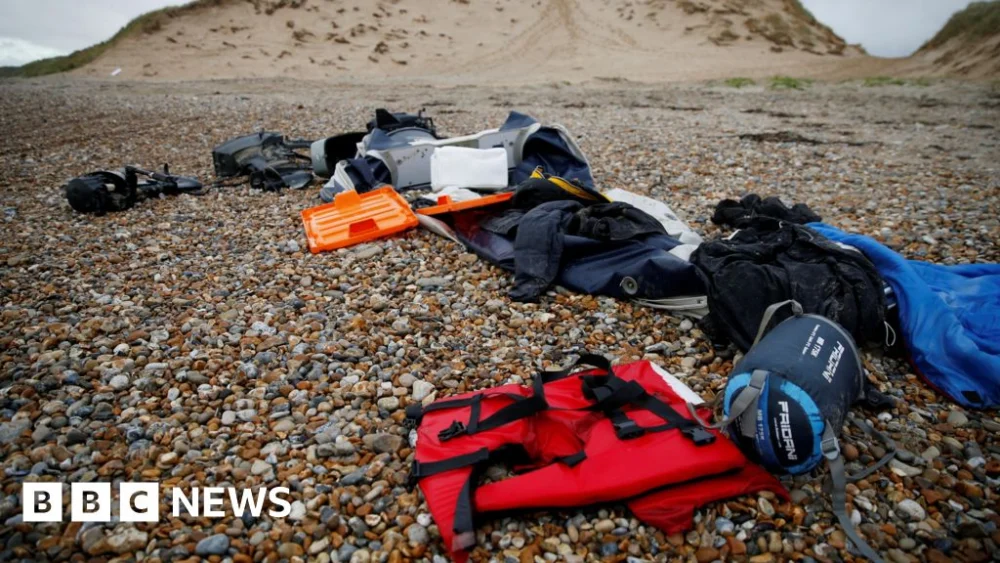
An exhaustive independent inquiry has definitively concluded that the tragic loss of thirty lives during a perilous small boat crossing in the English Channel in November 2021 was a preventable catastrophe, directly attributing the incident to significant systemic shortcomings within governmental oversight and operational response mechanisms. This stark finding underscores the critical need for immediate and comprehensive reforms to safeguard human life in one of the world’s busiest maritime passages.
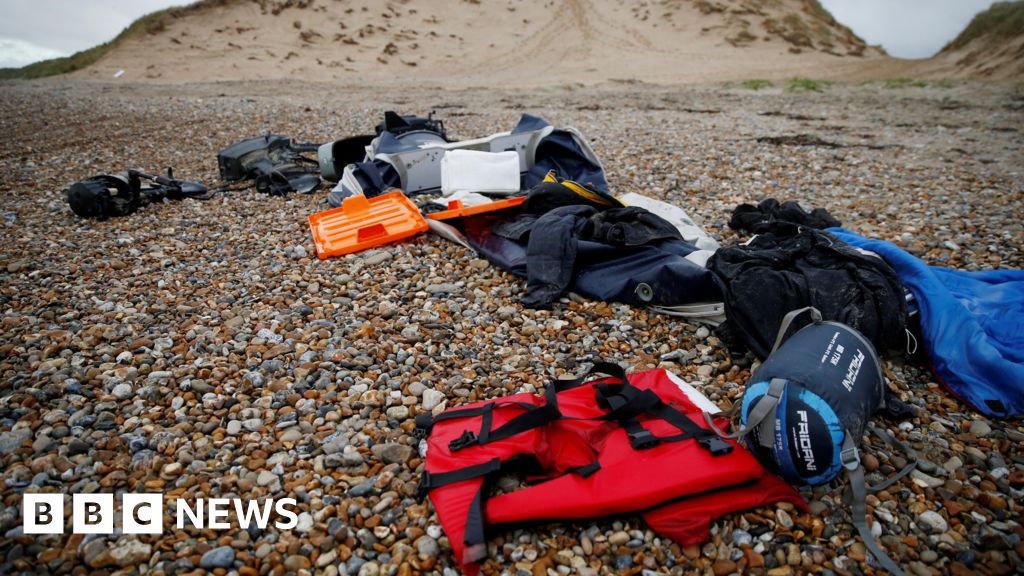
The harrowing incident unfolded in the pre-dawn hours of November 24, 2021, when a severely overcrowded dinghy, laden with asylum seekers and migrants, became swamped and ultimately capsized in the treacherous waters separating France and the United Kingdom. This maritime disaster quickly registered as the deadliest single event involving small boats in the Channel’s recent history. Of the many souls aboard, only two individuals managed to survive the ordeal, discovered nearly twelve hours after their initial desperate pleas for assistance were registered. The grim aftermath saw the recovery of twenty-seven bodies, with an additional four individuals officially declared missing, presumed drowned.
Sir Ross Cranston, who chaired the detailed investigation, delivered a damning assessment, highlighting a "significant, systemic failure on the part of government" as the primary contributing factor to the tragedy. His report explicitly states that numerous casualties could have been averted had appropriate protocols and resources been in place and effectively deployed. The victims hailed from a diverse array of nations, including Iraq, Somalia, Ethiopia, Egypt, and Afghanistan, each embarking on the perilous journey in search of safety and a new beginning, only to meet a tragic end.
The inquiry meticulously dissected the operational environment and decision-making processes leading up to and during the disaster. A central focus was the performance of His Majesty’s Coastguard (HMCG) in Dover, which the report found was placed in an "intolerable position." This untenable situation was primarily attributed to chronic staff shortages and severely limited operational capacity, factors that critically impaired their ability to mount an effective rescue operation for those in distress. These resource deficiencies, the inquiry suggested, created an environment where critical response capabilities were fatally compromised.
Further compounding the operational paralysis was the absence of crucial intelligence gathering. A surveillance aircraft, designated to provide vital oversight and real-time information on the multitude of small boat crossings, failed to launch on the night of the incident due to adverse weather conditions. Crucially, the inquiry revealed a critical lack of a robust contingency plan to compensate for the absence of this aerial reconnaissance. This oversight meant that responders were operating blind, without a comprehensive understanding of the scope and severity of the unfolding crisis.
The investigation also brought to light a series of critical communication and procedural breakdowns. Calls and distress messages emanating from the imperiled vessel were either missed entirely or inadequately followed up, creating a fatal delay in the activation of full-scale search and rescue (SAR) protocols. Furthermore, a deeply troubling finding was the widespread, albeit unsubstantiated, belief among some Coastguard personnel that migrants making distress calls from small boats often exaggerated the severity of their situations. This dangerous preconception led to a profound underestimation of the genuine emergency unfolding in the Channel, delaying a robust and urgent response. As a consequence, search assets dispatched to the area were not adequately briefed on the high probability of a sinking dinghy or individuals already in the water, further hindering their effectiveness.
Sir Ross Cranston’s report unequivocally identified three principal fatal errors that collectively sealed the fate of the thirty individuals. Firstly, the reckless and criminal practice of people smugglers who consistently overload flimsy, unseaworthy vessels, thereby creating inherently dangerous conditions. Secondly, the inquiry pointed to the critically slow response time of the French Naval vessel, the Flamant, highlighting issues in cross-border coordination and emergency asset deployment. Thirdly, and perhaps most damningly, were the profound flaws inherent in the Coastguard’s own search and rescue operations, which failed to adequately respond to the clear and escalating signs of distress.
The inquiry process itself was a protracted affair, with the survivors and the bereaved families enduring a wait of over two years for the proceedings to commence in March 2024. This delay compounded the suffering of those directly impacted, prolonging their quest for answers and accountability. Testimonies from survivors and expert analysis presented during the inquiry revealed that many victims endured several hours in the frigid Channel waters, leading experts to suggest that a significantly higher number of lives could have been saved had search and rescue operations been sustained and intensified throughout the crucial morning hours.
A particularly poignant and illustrative detail emerged from the inquiry: at approximately 01:30 GMT, a 16-year-old Iraqi Kurdish boy aboard the sinking vessel managed to make a desperate call to the Coastguard, informing them that everyone was in the water. Tragically, he was reportedly advised by the Coastguard that help was en route and instructed to cease further calls. In a devastating display of procedural misjudgment, the incident was officially marked as "resolved" by 07:00 on the morning of November 24, hours before the true scale of the disaster was fully comprehended.
Sir Ross Cranston concluded his report with an urgent and unequivocal call to action: "The practice of small-boat crossings must end. Apart from other reasons, it is imperative to prevent further loss of life." He underscored the inherent and extreme dangers of "travelling on board a small, unseaworthy, and overcrowded boat, and crossing one of the busiest shipping lanes in the world," labelling it an "inherently dangerous activity."
While acknowledging the unwavering dedication and commitment of frontline personnel within the Coastguard, Border Force, and the Royal National Lifeboat Institution (RNLI), the inquiry’s findings stress that these individual efforts, however heroic, are insufficient in the face of systemic shortcomings. The report accepted that while the Coastguard has subsequently received additional resources, a fundamental "systemic change is needed to support and strengthen their efforts."
To address these critical deficiencies, the report put forth a series of targeted recommendations. It advised that the Coastguard implement specific, specialized training for its staff on how to effectively manage and respond to incidents involving small boats, recognizing the unique challenges posed by these highly vulnerable vessels. Furthermore, it recommended substantial investment in new technologies to enhance surveillance, communication, and overall search and rescue capabilities, ensuring that future responses are more robust, coordinated, and effective.
In response to the inquiry’s findings, a spokesperson for the Maritime and Coastguard Agency (MCA) issued a statement conveying their continued thoughts for the families and friends of those who perished, as well as the survivors of the tragic incident. The spokesperson affirmed that the agency would "carefully consider the findings and recommendations of the report" and reiterated HM Coastguard’s steadfast focus on its "vital role in safeguarding life at sea."
Steve Smith, the Chief Executive Officer of Care4Calais, a prominent humanitarian organization, offered a more critical assessment, stating that "For too long, consecutive governments have dehumanised refugees, and Cranston is confirmation that it has needlessly cost lives." He further emphasized the humanitarian imperative, asserting, "If the government heeds the findings of Cranston, they will create safe routes for refugees to claim asylum in the UK. Overnight, it will put an end to deaths in the Channel, and save lives." Smith concluded by articulating that this outcome represents "the justice that those who lost their lives, and their families, deserve." The Home Office and both UK and French Coastguards have been approached for further comment regarding the comprehensive implications of the inquiry’s findings.
The Channel, a narrow strait separating two sovereign nations, represents a complex geopolitical and operational environment. It is not merely a geographic boundary but a confluence of international maritime law, national immigration policies, and profound humanitarian concerns. The incident of November 2021, and the subsequent inquiry, cast a harsh light on the inherent vulnerabilities when these disparate elements fail to coalesce into a cohesive and effective response framework. The continuous pressure on search and rescue services, stemming from the increasing number of crossings driven by global conflicts, persecution, and economic desperation, places an unprecedented strain on existing resources and protocols.
The systemic failures identified by Sir Ross Cranston extend beyond mere operational missteps; they point to deeper structural issues in how the British government, and indeed its international partners, approach the challenge of irregular migration. The inquiry’s findings necessitate a re-evaluation of resource allocation, inter-agency coordination, and the prevailing attitudes towards individuals undertaking these dangerous journeys. The call for an end to small boat crossings, while a clear policy objective, requires a multi-faceted approach encompassing enhanced international cooperation to dismantle smuggling networks, the establishment of viable and safe legal routes for asylum claims, and robust investment in maritime security and rescue capabilities.
The implications of this report are far-reaching, demanding not just procedural adjustments but a fundamental shift in strategy and empathy. It serves as a stark reminder that behind the statistics of Channel crossings lie individual human stories and immense suffering. Preventing future tragedies of this magnitude requires sustained political will, collaborative international effort, and a commitment to human dignity that transcends national borders and bureaucratic inertia. The inquiry’s recommendations offer a blueprint for such change, and their diligent implementation will be the ultimate measure of accountability for the lives lost.



 Aura Kasih
 Safa Marwah
 Ayu Aulia