Safa Marwah
A critical blow has been delivered to the clandestine world of online illicit trade with the sentencing of Rui-Siang Lin, the mastermind behind Incognito Market, to 30 years in federal prison. This severe penalty underscores the unwavering resolve of global law enforcement agencies to dismantle sophisticated digital narcotics networks that leverage the dark web to facilitate the widespread distribution of dangerous substances, culminating in transactions exceeding $105 million in value.
The conviction of the 24-year-old Taiwanese national, known by the aliases Ruisiang Lin, Pharoah, and faro, marks a significant chapter in the ongoing struggle against digital criminality. Lin’s operation, Incognito Market, emerged as one of the internet’s most expansive marketplaces for illegal drugs, enabling the anonymous sale of a vast array of narcotics to a global clientele. His apprehension in May 2024, followed by a guilty plea in December, brought an end to a sophisticated enterprise built on the pillars of anonymity and cryptocurrency, which had devastating real-world consequences. Lin admitted to multiple grave charges, including money laundering, conspiracy to distribute narcotics, and conspiracy to sell adulterated and misbranded medication, reflecting the multi-faceted nature of his illicit activities.
During the sentencing, U.S. District Judge Colleen McMahon articulated the gravity of Lin’s transgressions, characterizing the case as the most severe drug crime she had encountered in over two decades on the bench. Her remarks painted a stark picture of Incognito Market as a meticulously constructed criminal venture that propelled Lin into the echelons of a "drug kingpin," despite his relatively young age. The judicial pronouncement serves as a potent reminder that the digital veil of the dark web offers no ultimate sanctuary from justice, and the architects of such platforms will face the full force of legal repercussions.
The sheer scale and audacious nature of Incognito Market’s operations are staggering. According to the comprehensive complaint filed against Lin, the marketplace was responsible for facilitating the sale of over one metric ton of narcotics. This colossal volume included approximately 295 kilograms of methamphetamine, 364 kilograms of cocaine, 112 kilograms of amphetamine, and 92 kilograms of ecstasy (MDMA). Disturbingly, a portion of these illicit substances was confirmed to be laced with fentanyl, an exceptionally potent synthetic opioid that has fueled a devastating public health crisis globally, dramatically increasing the risk of fatal overdoses among users. The presence of fentanyl in the market’s offerings highlights the extreme danger posed by unregulated drug sales on the dark web, where consumers often have no knowledge of the actual composition or potency of what they purchase.
Beyond the raw quantities of drugs, the operational scope of Incognito Market was vast. The platform provided a digital storefront for more than 1,800 distinct vendors, creating a complex ecosystem for illicit trade. It catered to an enormous user base, registering over 400,000 customer accounts, each representing a potential avenue for drug distribution into communities worldwide. The market’s infrastructure processed an astounding 640,000 transactions, illustrating its continuous and pervasive reach. Throughout this sprawling enterprise, Lin maintained absolute control, serving as the ultimate decision-making authority over every facet of the multimillion-dollar operation. His central role in orchestrating, managing, and profiting from such a vast network of illicit commerce firmly established him as the central figure of this criminal organization.
The financial architecture of Incognito Market was meticulously designed to leverage the pseudonymous nature of cryptocurrency. Customers utilized various digital currencies to purchase drugs through a proprietary payment platform ingeniously named "Incognito Bank." This system not only facilitated transactions but also obfuscated the flow of funds, adding layers of complexity for law enforcement tracking. The marketplace generated a staggering total revenue exceeding $83.6 million from these transactions. From this immense sum, Lin extracted a substantial personal fortune, netting over $4.1 million through a 5% commission levied on every transaction conducted on his platform. This profit margin highlights the lucrative nature of operating such illicit digital marketplaces, even after accounting for the inherent risks and operational complexities.

The dismantling of Incognito Market was the result of persistent and sophisticated investigative work by law enforcement agencies. The breakthrough came in stages, with crucial developments in July 2022 and August 2023. During these periods, authorities successfully obtained and executed search warrants that granted them access to three critical servers integral to the market’s operation. One server was found to contain comprehensive marketplace transaction data, offering a treasure trove of evidence detailing the illicit exchanges. A second server was dedicated to mitigating Distributed Denial of Service (DDoS) attacks, a common tactic used by competitors or disgruntled users to disrupt online services, indicating the market’s operational resilience. The third and perhaps most vital server was responsible for processing all cryptocurrency transactions, providing direct insight into the financial flows of the entire enterprise. The coordinated seizure and analysis of these servers were pivotal in unraveling the intricate network and ultimately identifying its operator.
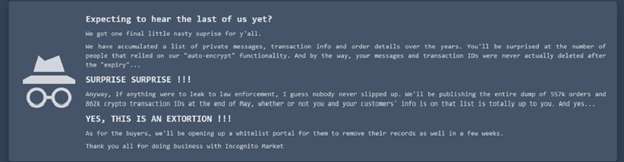
Lin’s reign over Incognito Market spanned from October 2020 until March 2024. His tenure concluded not with a gradual decline, but with an abrupt shutdown of the platform, followed by an audacious and desperate attempt at extortion. In a final act of criminality, Lin threatened to publicly release sensitive transaction histories of both vendors and customers unless an additional, hefty fee was paid. This "exit scam" tactic is not uncommon in the dark web underworld, where operators frequently attempt to maximize their illicit gains before disappearing or being apprehended. However, Lin’s attempt was ultimately futile, as law enforcement was already closing in, armed with the evidence needed to bring him to justice.
U.S. Attorney Jay Clayton, speaking on the sentencing, emphasized the profound societal damage inflicted by Lin’s actions. "Rui-Siang Lin was one of the world’s most prolific drug traffickers, using the internet to sell more than $105 million of illegal drugs throughout this country and across the globe," Clayton stated. He continued, "While Lin made millions, his offenses had devastating consequences. He is responsible for at least one tragic death, and he exacerbated the opioid crisis and caused misery for more than 470,000 narcotics users and their families." These powerful words underscore the human toll of dark web drug trafficking, extending far beyond financial transactions to touch countless lives through addiction, overdose, and family devastation. The identification of at least one tragic death directly attributable to Incognito Market’s sales serves as a somber reminder of the lethal consequences inherent in such illicit enterprises.
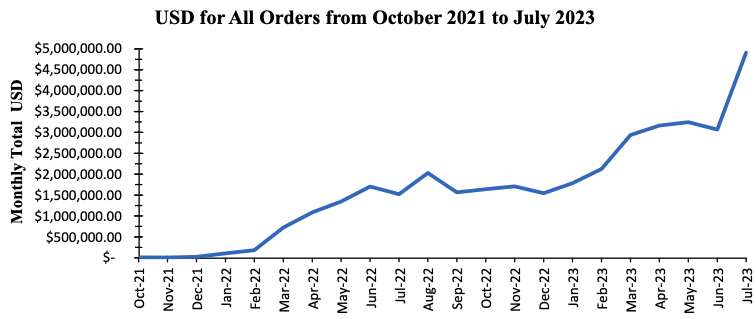
In addition to the substantial 30-year prison sentence, Judge McMahon imposed five years of supervised release following his incarceration, a measure designed to monitor his activities and prevent re-engagement in criminal behavior. Furthermore, Lin was ordered to forfeit a staggering $105,045,109.67, a sum representing the total proceeds of his illicit operations. This forfeiture order is a critical component of justice, aiming to strip criminals of their ill-gotten gains and deter future offenses by demonstrating that crime does not pay.
The conviction and sentencing of Rui-Siang Lin resonate within the broader context of intensified global efforts to combat dark web criminality. This case follows several other high-profile successes by law enforcement agencies against operators of similar illicit marketplaces. Just last month, a Virginia man, one of the co-creators of Empire Market – once among the largest dark web marketplaces – pleaded guilty to federal drug conspiracy charges, acknowledging his role in facilitating $430 million in illegal transactions. Concurrently, a Slovakian national admitted guilt for his involvement in operating Kingdown Market, a darknet platform that sold a diverse range of contraband, including narcotics, cybercrime tools, fraudulent government identification, and stolen personal information over a period of more than two years. These consecutive legal victories highlight a clear trend: the increasing sophistication of law enforcement in penetrating the veiled layers of the dark web.
The ongoing battle against dark web markets represents a complex interplay of technological advancement and persistent investigative work. Law enforcement agencies worldwide are continuously refining their strategies, employing advanced forensic techniques to trace cryptocurrency transactions, identify server locations, and unmask anonymous operators. International cooperation has become paramount, as these digital criminal enterprises transcend national borders, requiring coordinated efforts between agencies like the FBI, DEA, and international partners. The legal precedents set by cases like Lin’s also serve as powerful deterrents, signaling to aspiring dark web entrepreneurs that the risks of operating such platforms are severe and the likelihood of eventual capture is increasing.
The future outlook for dark web drug markets remains a dynamic landscape. While high-profile takedowns like Incognito Market temporarily disrupt the ecosystem, new markets inevitably emerge to fill the void. However, each successful prosecution contributes to a growing body of knowledge for law enforcement, making future investigations more efficient and effective. The long sentences handed down to operators like Lin reinforce the gravity with which these crimes are viewed by the judiciary and underscore the commitment to protecting public safety from the insidious reach of online drug trafficking. This sentencing is not merely the conclusion of one case; it is a significant declaration in the enduring global campaign against the digital underworld.




 Lisa Mariana
 Aura Kasih
 Ayu Aulia