Lisa Mariana
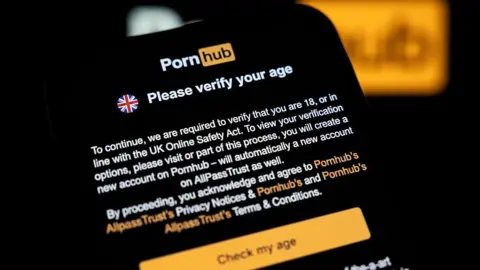
The prominent adult entertainment platform, Pornhub, has initiated significant access limitations for its users within the United Kingdom, a move that signals a pivotal moment in the ongoing global debate surrounding online age verification and digital content regulation. This decision, driven by compliance mandates under the UK’s stringent Online Safety Act, has ignited widespread discussion regarding its efficacy, the motivations of major platforms, and the future landscape of internet accessibility.

The genesis of this development lies within the framework of the UK’s landmark Online Safety Act (OSA), legislation designed to establish a safer online environment, particularly for children, by compelling platforms to mitigate exposure to harmful and illegal content. A core tenet of the OSA, which saw key provisions come into force, is the requirement for adult content providers to implement robust age verification mechanisms. These measures, intended to ensure that users accessing sexually explicit material are indeed over 18, represent a significant regulatory burden on digital service providers. The Act’s journey through parliament was marked by intense debate, balancing the imperatives of child protection with concerns over free speech, privacy, and the practicalities of technical implementation across a vast and diverse internet. Ofcom, the UK’s communications regulator, is tasked with overseeing the enforcement of these complex rules, holding platforms accountable for their compliance.
Pornhub’s parent company, Aylo, has publicly articulated its rationale for the access restrictions, framing the Online Safety Act’s age verification requirements as fundamentally flawed. Aylo contends that the current legislative approach, rather than effectively safeguarding minors, paradoxically drives users towards less regulated corners of the internet. According to the company, these unregulated platforms often lack any age verification protocols and may harbor content that is genuinely dangerous or illegal, thereby increasing, rather than decreasing, user exposure to such material. This argument posits that a fragmented regulatory environment inadvertently creates "digital ghettos" where oversight is minimal, challenging the very premise of the Act’s protective intent. Furthermore, the implementation of sophisticated age verification systems involves substantial financial and technical investment, costs that platforms may be reluctant to bear if they perceive the measures as ineffective or easily circumvented.

However, the industry and expert observers have expressed a degree of skepticism regarding the sole altruistic nature of Pornhub’s stated motivations. Critics, including academics like Professor Clare McGlynn of Durham University, have suggested that the timing and nature of the restrictions could be a strategic gambit. The decision to announce a future implementation date—February 2nd, rather than an immediate cessation of access—allows for a period of anticipation, potentially designed to galvanize public opinion and exert political pressure for a re-evaluation of the legislation. This tactic is not without precedent; Pornhub has previously enacted similar access blocks in numerous US states, including Alabama, Florida, and Texas, in response to their respective age verification laws. Such actions often precipitate public outcry from users, which platforms may leverage to advocate for alternative regulatory frameworks or to highlight perceived shortcomings of existing laws. The denial by representatives for Aylo and its owner, Ethical Capital Partners (ECP), that the UK restrictions are a ploy to increase registered users, stating it’s "a lovely gift to the abundance of other sites that are going to remain open and accessible," has done little to fully quell these strategic interpretations.
Central to the ongoing debate is the pervasive issue of Virtual Private Networks (VPNs). These technologies enable users to mask their geographical location, effectively making it appear as if they are accessing the internet from a different country. This capability presents a significant challenge to any geographically-based age verification system, allowing users to easily bypass national restrictions. Ofcom’s own research indicates a notable surge in VPN usage within the UK following the introduction of age verification rules, with usage more than doubling before a subsequent decline, though remaining elevated compared to pre-regulation levels. This persistent use of VPNs casts a shadow over the practical enforceability of the OSA’s provisions. ECP’s Solomon Friedman has highlighted this systemic weakness, suggesting that a more effective solution would involve age verification at the device manufacturing level, implicating tech giants like Apple and Google in the process. While this approach could offer a more robust, system-wide solution, it also introduces complex questions regarding user privacy, data security, and the potential for a centralized control over online access, raising new ethical and logistical hurdles. Professor McGlynn has further posited that adult content platforms might paradoxically prefer the prevalence of VPN usage over having to implement more stringent content moderation and regulatory compliance, particularly as the UK government signals intentions to restrict a broader range of material. This creates a complex dynamic where the very tools designed for privacy and circumvention inadvertently serve as an escape valve for platforms facing regulatory pressure. Social media expert Matt Navara suggests that Pornhub’s move could also function as a "legal firewall," enabling the company to avoid regulatory compliance costs and liabilities while still indirectly benefiting from users who bypass restrictions.
The broader landscape of compliance within the adult content industry reveals a mixed picture. While Ofcom data indicates that the top ten adult services, including Pornhub, have implemented age checks, collectively accounting for a quarter of all UK visits, and 77 of the 100 most popular services have followed suit, a significant minority of popular sites—nearly a quarter—have yet to comply. This uneven application of the law creates an unlevel playing field, potentially reinforcing Aylo’s argument that users are driven towards unregulated platforms. Ofcom has reiterated its commitment to enforcing the existing rules and has initiated investigations into non-compliant sites. However, the Age Verification Providers Association (AVPA), through its representative Iain Corby, does not anticipate a mass exodus of other major adult platforms from the UK market. Corby suggests that high-profile sites bore the brunt of initial user losses due to their "impulsive" customer base, and that Aylo’s actions might be an attempt to pressure Ofcom into more comprehensive and uniform enforcement across the entire sector. This highlights the intricate dance between industry, regulators, and technology in shaping the future of online content.
As age assurance evolves from a national concern into a global imperative, the actions taken by companies like Pornhub in the UK are likely to reverberate across international digital policy discussions. Governments worldwide are grappling with similar challenges, from the European Union’s Digital Services Act to various online safety initiatives in Australia and Canada, all seeking to balance the need for user protection with the principles of an open internet. The tension between enhancing online safety, preserving user privacy, and ensuring equitable access remains a formidable policy challenge. The long-term implications for content providers could include increased fragmentation of the digital landscape, higher operational costs, and a renewed impetus for technological innovation in age verification. For users, the future may involve more friction in accessing certain content, alongside an increased reliance on tools like VPNs, perpetuating a cat-and-mouse game between regulation and circumvention. Ultimately, the ongoing saga surrounding Pornhub’s UK access restrictions underscores the complex interplay of legislative intent, corporate strategy, technological capability, and user behavior in the ever-evolving digital age.




 Aura Kasih
 Safa Marwah
 Ayu Aulia