Aura Kasih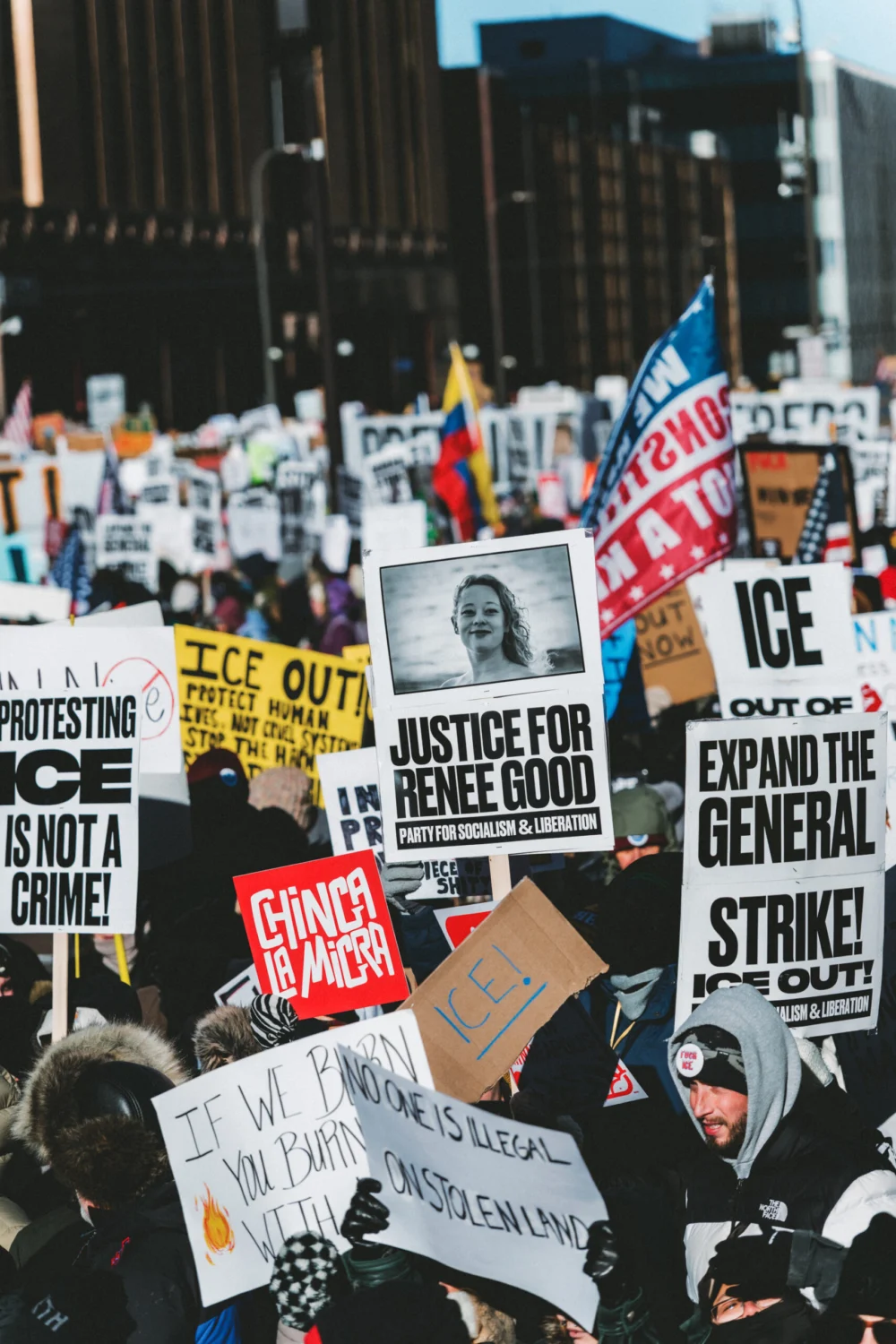
A palpable shift is underway in Minneapolis, a city long characterized by its polite demeanor, as recent events have ignited a powerful wave of organized action, signaling a departure from the traditional "Minnesota nice" and a resolute commitment to striking for change. This comprehensive report delves into the escalating demonstrations, examining their roots, scale, and the profound implications for the city and beyond.

The icy grip of winter did little to deter the thousands who converged on Government Plaza, transforming the normally stoic cityscape into a vibrant testament to collective dissent. Bundled against the biting cold, participants, many adorned with handmade signs and the piercing sound of whistles, formed an overwhelming human tide. Initial estimates suggested tens of thousands, a number that, while difficult to precisely quantify in the surging mass, conveyed an undeniable force. Navigating the throng, even amidst the cacophony, revealed an enduring thread of civility, a testament to the inherent nature of the city’s inhabitants. Offers of political pins, homemade baked goods, and symbolic noisemakers were extended with grace, even as the underlying urgency of their cause was evident. This juxtaposition of ingrained politeness with fervent activism underscores the complex dynamics at play.
The current wave of activism is intrinsically linked to a series of tragic incidents, most notably the fatal encounter with federal immigration officers that resulted in the death of Alex Pretti. This event, coupled with subsequent actions by Immigration and Customs Enforcement (ICE), has galvanized a diverse coalition of community groups, particularly Somali and Black student organizations from the University of Minnesota. While the initial general strike, organized with broader union support, aimed at a more structured economic disruption, this more recent mobilization, occurring on January 30th, demonstrated a rapid and potent grassroots response. Despite observations of potentially lower initial turnout compared to the prior event, the sheer density of the crowd suggested a deeply engaged and determined populace, with individuals continuing to arrive and fill the space, underscoring the city’s growing momentum in collective action. The chant, "No more Minnesota nice, Minneapolis will strike," reverberated through the plaza, a clear declaration of intent to challenge the status quo through direct action.

The atmosphere at the Government Plaza rally, while charged with righteous anger, presented a stark contrast to the more confrontational scenes witnessed at protests outside the Whipple Federal Building. The latter location, a focal point for demonstrations against ICE operations, has often been the site of clashes between protesters and law enforcement, punctuated by the deployment of less-lethal crowd control measures. In contrast, the gathering at City Hall, though a potent display of solidarity, maintained an air of controlled energy. However, the underlying awareness of pervasive danger was palpable. The recent weeks have served as a harsh education for the residents of Minneapolis, highlighting the unpredictable and often perilous nature of interactions with federal agents. Incidents ranging from fatal shootings of individuals during federal operations to the apprehension of people from their vehicles or even while alerting neighbors to ongoing detentions, have created an environment of heightened vigilance. The presence of volunteer medics, equipped to respond to potential escalations, served as a somber reminder of the risks inherent in such activism.
The strategic use of general strikes, as observed in Minneapolis, represents a significant evolution in protest tactics. Beyond traditional marches and rallies, a general strike encompasses a broader spectrum of economic and social disruption. By withholding labor, boycotting businesses, and ceasing economic activity, participants aim to exert maximum pressure on governing bodies and institutions. This approach, when effectively coordinated, can cripple essential services and demonstrate the indispensable role of the populace in maintaining societal functions. The swift organization of the January 30th strike, spearheaded by student groups, suggests a growing capacity for rapid mobilization and a willingness to employ more disruptive, yet potentially more impactful, forms of protest.

The demographic composition of the striking populace is also noteworthy. The prominent involvement of Somali and Black student groups indicates a powerful intersection of civil rights and immigrant rights movements. These communities, often disproportionately affected by federal policies and law enforcement actions, have found common cause in demanding accountability and systemic change. Their leadership in organizing these strikes not only amplifies their specific concerns but also builds broader coalitions that can challenge entrenched power structures. The inclusion of a "Fuck ICE" pin among the offered items at the rally, while seemingly a minor detail, speaks volumes about the sentiment directed towards federal immigration enforcement and the widespread disillusionment with its practices.
The concept of "Minnesota nice," often lauded as a hallmark of the state’s cultural identity, is being re-examined and, in some quarters, actively challenged. This traditional politeness, characterized by a reluctance to confront and a preference for harmonious interaction, may be perceived by some as a barrier to addressing systemic injustices. The current protests suggest a growing impatience with passive civility when faced with what are perceived as egregious violations of human rights and civil liberties. The phrase "No more Minnesota nice" encapsulates this sentiment, signaling a demand for more direct, assertive, and action-oriented approaches to social and political change. This redefinition of civic engagement implies a willingness to embrace conflict and disruption as necessary tools for progress.

The presence of helicopters and the organized efforts of volunteer marshals underscore the logistical complexities of managing large-scale demonstrations. These elements highlight the structured nature of the activism, moving beyond spontaneous outbursts to planned and coordinated actions. The marshals, positioned strategically throughout the gathering, serve not only to guide the crowd but also to maintain order and ensure the safety of participants. The cautionary note about ice, and the subsequent offer of assistance from a fellow demonstrator, further illustrates the dual nature of the event: a display of collective strength coupled with an underlying commitment to mutual support and care within the community.
The implications of these ongoing strikes extend far beyond the immediate concerns of immigration policy. They represent a broader challenge to the authority and practices of federal agencies, particularly ICE, and signal a growing distrust in the established legal and political systems to address grievances. The willingness of a significant portion of the Minneapolis population to engage in general strikes suggests a deep-seated dissatisfaction with the status quo and a belief that more radical forms of intervention are required. This could lead to further erosion of public trust in government institutions and a continued rise in grassroots activism.

Looking ahead, the sustainability and long-term impact of these movements will depend on several factors. The ability of organizers to maintain momentum, broaden their base of support, and translate the energy of street protests into concrete policy changes will be crucial. The response of elected officials and federal agencies to these demands will also play a significant role in shaping the future trajectory of activism in Minneapolis. Furthermore, the ongoing tension between the city’s traditional ethos of politeness and the emergent assertiveness of its residents will likely continue to define the social and political landscape. The events in Minneapolis serve as a compelling case study of how collective grievances, when amplified by strategic action and a willingness to challenge established norms, can lead to profound societal shifts, even in communities long associated with quiet civility. The city’s embrace of direct action, epitomized by the powerful call to strike, marks a significant inflection point in its history, signaling a new era of civic engagement and a resolute pursuit of justice.


 Lisa Mariana
 Safa Marwah
 Ayu Aulia