Lisa Mariana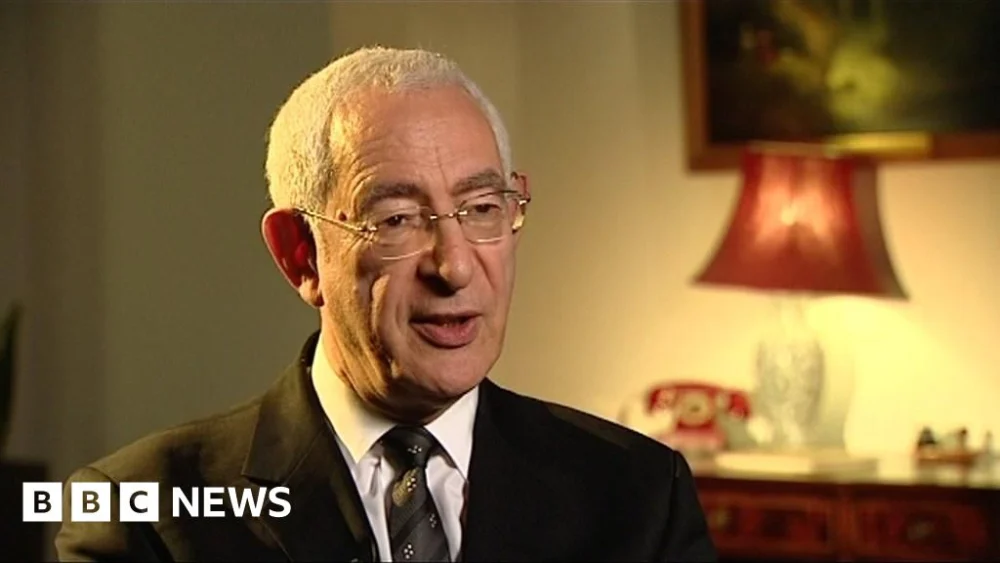
The passing of Lord David Triesman, a distinguished figure whose career spanned significant roles in trade unionism, government, and football administration, marks the end of a remarkable life dedicated to public service. At 82, the Labour peer, former minister, and inaugural independent chairman of the Football Association (FA) concluded a journey characterized by unwavering commitment to progressive causes and profound impact across diverse sectors of British society.
Born David Triesman in London, his intellectual curiosity and dedication to collective action were evident from his early career. He carved a path through academia and trade unionism, laying the groundwork for a later transition into frontline politics. Before entering government, Triesman held the demanding position of general secretary for the Association of University Teachers (AUT), a crucial period during which he advocated for the rights and professional standing of academics. His leadership within the AUT showcased an ability to navigate complex organizational structures and champion the interests of a specialized workforce, demonstrating an early aptitude for strategic negotiation and systemic reform. This experience honed his skills in advocacy and understanding the intricate dynamics of large institutions, qualities that would prove invaluable in his subsequent national roles.
Following his impactful tenure in the academic union, Triesman ascended to one of the most pivotal administrative roles within the Labour Party itself, serving as its general secretary. This period was critical, coinciding with the party’s modernization efforts and its eventual return to power under Tony Blair. As general secretary, Triesman was instrumental in shaping the party’s internal structures, managing its operational complexities, and executing its strategic vision. His work behind the scenes was foundational to the New Labour project, a movement that sought to redefine the party’s ideology and electoral appeal. He played a key role in organizational coherence and in translating the party’s revitalized agenda into actionable strategies, thereby contributing significantly to Labour’s historic electoral successes of the late 1990s and early 2000s. This phase of his career solidified his reputation as a formidable organizer and a deeply committed political operative, adept at both policy formulation and practical implementation.
His transition to the House of Lords in 2004, where he was ennobled as Baron Triesman, marked his formal entry into parliamentary politics. Appointed as a Foreign Office minister in Tony Blair’s government, he brought a wealth of experience in negotiation and international relations from his union work and a keen understanding of political strategy. In this ministerial capacity, Triesman was involved in shaping and implementing aspects of the UK’s foreign policy, contributing to diplomatic efforts and representing British interests on the global stage. While the specifics of his portfolio within the Foreign Office varied, his role underscored the Labour government’s commitment to multilateralism and engagement with complex international challenges. His contributions during this period were characterized by a pragmatic approach and a focus on effective governance within the intricate machinery of the diplomatic service.
Even after Labour moved into opposition in 2010, Lord Triesman maintained an active and influential presence in the House of Lords. He assumed the role of shadow minister for foreign affairs, continuing to scrutinize government policy, propose alternative approaches, and contribute to parliamentary debate on critical international issues. His sustained engagement in the upper chamber until his final days underscored his enduring commitment to public life and parliamentary oversight. Throughout his time in the Lords, he served on various prominent select committees, bodies responsible for in-depth scrutiny of government departments, legislation, and policy areas. His contributions to these committees were often characterized by incisive questioning, informed analysis, and a dedication to ensuring accountability and good governance, leveraging his extensive background to provide valuable insights.
Beyond the political arena, Lord Triesman left an indelible mark on the world of sport, particularly in football. His appointment as the first independent chairman of the Football Association in 2008 was a landmark moment for English football governance. This role was created amidst a growing recognition of the need for greater autonomy and professional oversight within the sport, moving away from a traditional model that often saw club representatives dominating decision-making. Triesman’s independent status was intended to provide impartiality and a focus on the broader interests of English football, rather than being swayed by the specific agendas of individual clubs. His tenure was pivotal in initiating reforms aimed at modernizing the FA’s structures and operations, striving for greater transparency and efficiency.
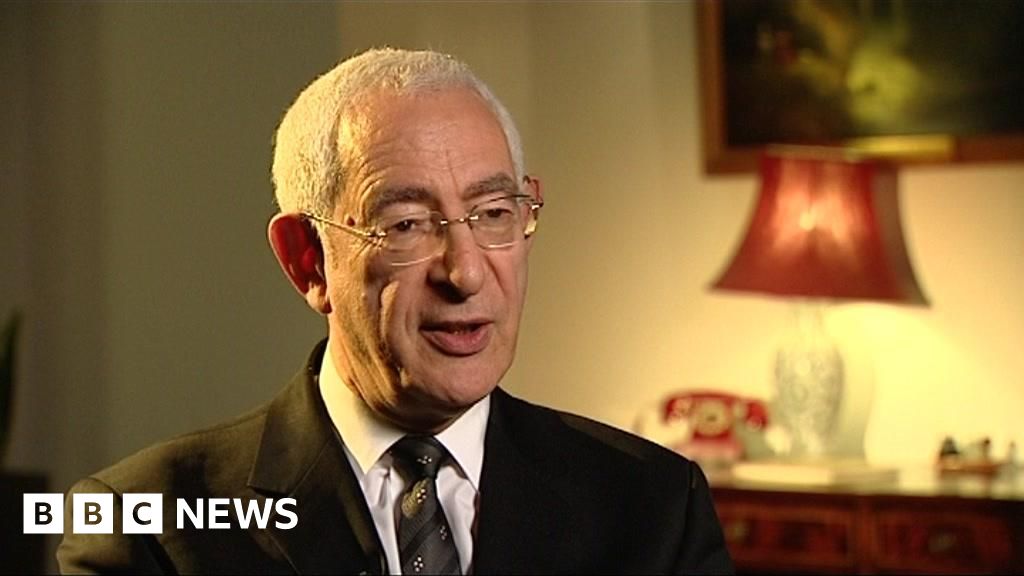
During his chairmanship, Lord Triesman became a vocal advocate for two critical social causes within football: combating racism and championing women’s football. His proactive stance against racism reflected a broader societal shift towards zero tolerance for discrimination and an understanding of football’s immense cultural influence. He spearheaded initiatives aimed at creating a more inclusive environment within the sport, from grassroots levels to the professional game. This advocacy was not merely symbolic; it involved tangible efforts to embed anti-racist policies and educational programs, striving to eradicate prejudice and foster respect among players, fans, and administrators.
Simultaneously, Triesman was a fervent supporter of women’s football, recognizing its untapped potential and the need for significant investment and development. At a time when women’s football was still far from achieving the mainstream recognition it enjoys today, his backing was crucial. He championed increased funding, better infrastructure, and enhanced pathways for female players and coaches, envisioning a future where women’s football could thrive on its own merits. His foresight in this area has been retrospectively validated by the exponential growth and success of the women’s game in the UK and globally, illustrating his progressive vision for the sport as a whole.
However, Lord Triesman’s tenure at the FA was not without its challenges. In May 2010, he resigned from both his FA chairmanship and his role as head of England’s bid for the 2018 FIFA World Cup. This decision followed the publication of remarks he made during a private conversation, which were subsequently recorded and reported by a tabloid newspaper. In these remarks, he had suggested that certain rival nations involved in the World Cup bidding process were engaging in improper practices. While Triesman clarified that his comments were part of a casual discussion and not intended to be taken as serious allegations, the ensuing controversy created an untenable situation for his leadership roles. The incident underscored the intense scrutiny faced by high-profile figures in public life and the significant reputational risks associated with such positions, particularly in the cutthroat world of international sports bidding.
Despite the abrupt end to his FA chairmanship, the experience seemingly solidified Lord Triesman’s concerns about integrity in global football governance. In the years following his resignation, he became a consistent voice advocating for fundamental cultural change within FIFA, football’s international governing body. He highlighted the persistent allegations of corruption that plagued the organization, arguing for systemic reforms to restore trust and ensure ethical conduct. His calls for greater transparency and accountability within FIFA were prescient, preceding a major corruption scandal that would engulf the organization several years later. This demonstrated his unwavering commitment to fair play and ethical standards, not just within English football but across the global sporting landscape.
The tributes that poured in following his passing reflect the profound respect and admiration he commanded across the political spectrum and beyond. Prime Minister Sir Keir Starmer acknowledged his "brilliant contribution to our party and country," encapsulating his wide-ranging impact. Former Prime Minister Sir Tony Blair, under whom Triesman served, described him as "a vital part of the New Labour movement," highlighting his foundational role in the party’s modern era. Blair further elaborated on Triesman’s character, noting his "passion about the cause, whether the Labour Party or football," and his deep commitment to "making change to improve people’s lives." He characterized Triesman as "a gentle, genuine, good guy who put others before himself naturally and without hesitation," painting a picture of a compassionate and selfless individual.
Baroness Angela Smith, the Leader of the House of Lords for Labour, echoed these sentiments, describing Lord Triesman as "respected and loved by his colleagues for his courtesy, kindness, wisdom, loyalty and generosity of spirit." Such widespread praise from figures across different political and professional spheres underscores the unique blend of intellect, integrity, and personal warmth that defined his public persona. His ability to forge relationships and earn respect was clearly a hallmark of his long and varied career.
Lord Triesman’s life journey represents a testament to the power of sustained public service, demonstrating how an individual can contribute meaningfully across seemingly disparate fields. From the intellectual advocacy of trade unionism to the strategic complexities of party politics, the nuanced world of international diplomacy, and the passionate realm of professional sport, he approached each challenge with dedication and a commitment to improvement. His legacy is multifaceted: a reformer in education, a modernizer in politics, and a progressive voice in football. He is survived by his wife, Lucy, and their daughter, Ilona, leaving behind a family and a nation touched by his profound contributions. His passing marks the departure of a figure whose influence will resonate for years to come in the institutions he helped shape and the causes he so passionately championed.


 Aura Kasih
 Safa Marwah
 Ayu Aulia