Lisa Mariana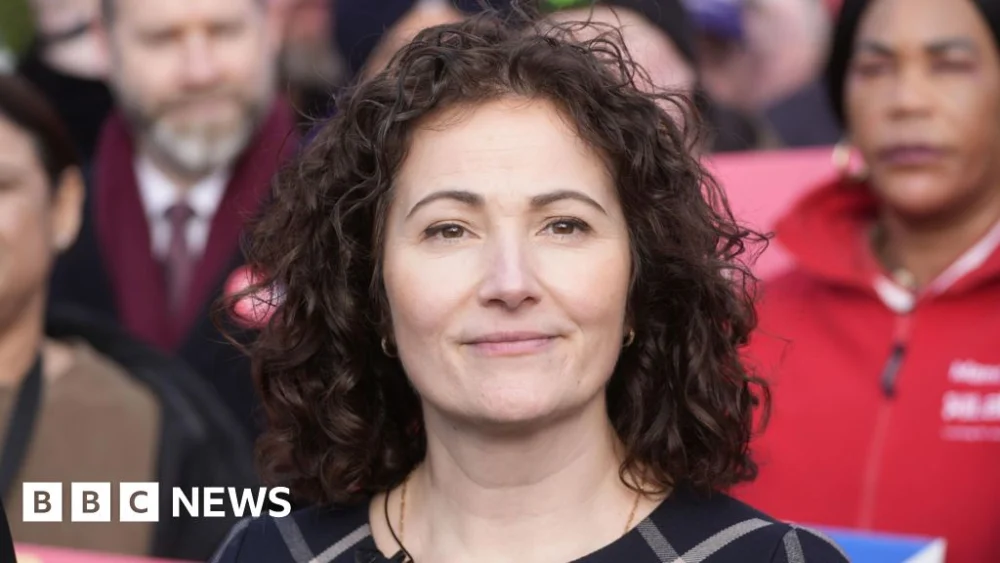
The political landscape of Greater Manchester is sharply focused on the upcoming Gorton and Denton by-election, following the Labour Party’s confirmation of Angeliki Stogia as its chosen parliamentary candidate, a decision made after a significant internal party discussion that saw Greater Manchester Mayor Andy Burnham’s bid for selection ultimately declined. This electoral contest, scheduled for February 26, emerges from the vacancy created by the resignation of former Member of Parliament Andrew Gwynne due to health-related concerns, setting the stage for a critical test of Labour’s regional strength and national strategic direction.
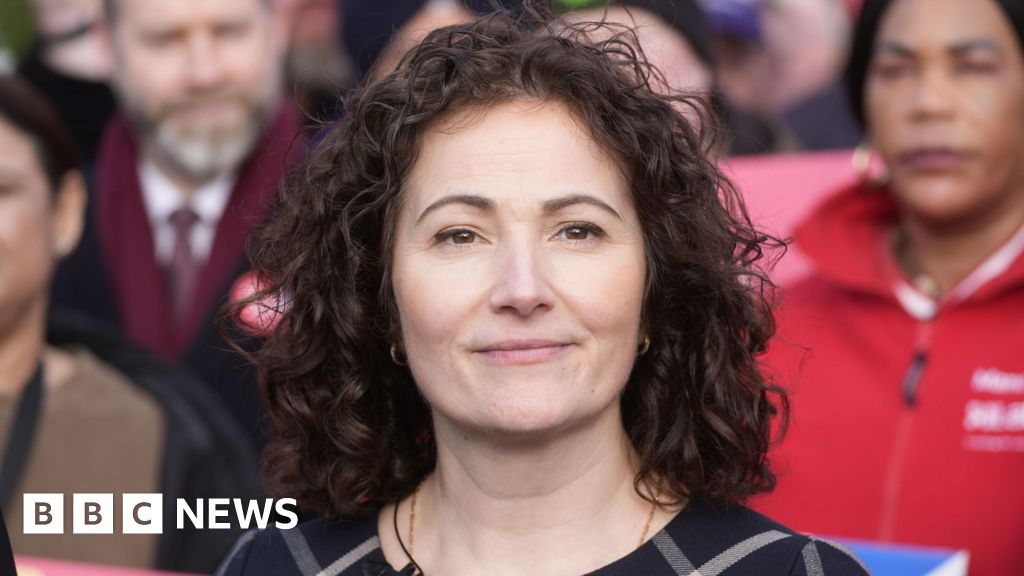
Angeliki Stogia, a prominent figure in Manchester’s local governance, currently serves as a Labour councillor for the Whalley Range ward in the southern part of the city. Her selection represents a pivotal moment in her political career, following a previous attempt to secure a parliamentary seat in the 2024 general election for the Chester South and Eddisbury constituency, where she was unsuccessful against the Conservative incumbent. Upon her endorsement for the Gorton and Denton by-election, Stogia expressed profound enthusiasm, highlighting her deep roots within the community. She articulated her identity as a "proud Mancunian woman" and conveyed her eagerness to engage directly with constituents, emphasizing her commitment to securing a victory for the Labour Party in what is traditionally considered a stronghold for the party.
In her address to an assembly of party activists and local dignitaries, including Labour’s Deputy Leader Lucy Powell and party chairwoman Anna Turley, Stogia underscored themes of unity and community cohesion. She framed the by-election as a critical juncture for the Gorton and Denton electorate, presenting a choice between a united community vision and divisive political narratives. Her campaign rhetoric has consistently centered on the principles of "unity, fairness, and hope," positioning herself as a champion against political fragmentation and for the collective betterment of the constituency. This narrative is particularly salient in a region known for its strong community bonds and progressive political leanings, aiming to resonate with voters who value solidarity over discord.
The path to Stogia’s selection was notably influenced by the high-profile attempt by Andy Burnham, the incumbent Mayor of Greater Manchester, to contest the by-election. Burnham, a well-recognized national political figure with a substantial regional mandate, had publicly announced his intention to seek Labour’s nomination. However, his aspiration was subsequently rejected by the party’s National Executive Committee (NEC) just days after his declaration. The NEC’s rationale for this decision was predicated on the potential for an "unnecessary election" for the Greater Manchester mayoralty, which would inevitably ensue if Burnham were to win the parliamentary seat. Furthermore, the committee cited concerns about the diversion of valuable party resources from other ongoing and impending electoral campaigns, signaling a strategic prioritization of broader party objectives over individual ambitions.
This decision by the NEC sparked considerable internal debate and a degree of dissent within Labour ranks, with reports indicating that approximately 50 Labour Members of Parliament registered their protest against the blocking of Burnham’s candidacy. Many perceived Burnham, given his public profile and proven electoral appeal, as a formidable candidate uniquely positioned to challenge opposing political forces. His potential entry into Westminster was also widely interpreted in some political circles as a possible future challenge to the national leadership of Sir Keir Starmer, adding a layer of strategic complexity to the NEC’s intervention.
Burnham, in responding to the NEC’s ruling, maintained that his motivation was not to "undermine the government" or the party leadership. Instead, he asserted that his primary objective was to "fight the politics of Reform" and to "defend Greater Manchester from being picked apart," referencing the Reform UK party which had emerged as the second-placed party in the constituency during the 2024 general election, albeit with a significant vote deficit to Labour. Despite expressing his belief in his unique capacity to counter the influence of Reform UK, Burnham publicly accepted the NEC’s decision and affirmed his commitment to actively campaign for the Labour Party to secure victory in the by-election. This statement served to underscore party discipline and unity in the aftermath of a potentially divisive internal process.
The Gorton and Denton constituency itself carries significant historical weight for the Labour Party. In the 2024 general election, Andrew Gwynne secured the seat for Labour with a commanding majority, capturing more than half of the total votes cast, tallying 18,555. Reform UK, while finishing second with 5,142 votes, and the Green Party, narrowly behind with 4,810 votes, remained considerably distant from Labour’s dominance. This electoral history positions Gorton and Denton as a relatively secure Labour seat, yet by-elections, by their very nature, can be unpredictable and are often viewed as opportunities for opposition parties to register protest votes or for smaller parties to gain traction. The presence of Reform UK as the closest challenger in the last general election, despite the substantial gap, hints at the potential for a populist challenge that Labour is keen to mitigate.
The broader implications of this by-election extend beyond the immediate electoral outcome. For the Labour Party, the successful selection of a candidate and the subsequent campaign will be a test of its internal cohesion and its ability to manage high-profile political ambitions while maintaining a unified front. The NEC’s decision regarding Burnham reflects a strategic imperative to stabilize the party’s national trajectory and to avoid any perceived distractions or internal power struggles that could detract from its overarching electoral goals. The emphasis on resource allocation and the avoidance of additional elections speaks to a disciplined approach aimed at maximizing efficiency in a competitive political environment.
Furthermore, the by-election serves as a barometer for public sentiment in a key region of the North West, an area that has witnessed significant political shifts in recent years. While Gorton and Denton remains a Labour stronghold, the performance of other parties, particularly Reform UK, will be closely scrutinized for any indication of evolving voter preferences or vulnerabilities within Labour’s traditional support base. Stogia’s campaign, with its emphasis on local identity and unity, is designed to reinforce Labour’s connection with the community and to counter any narratives that seek to divide the electorate. Her task will be to translate her local council experience and community commitment into a compelling parliamentary mandate, ensuring that the legacy of strong Labour representation in Gorton and Denton continues without interruption. The result will offer valuable insights into the current political climate and the effectiveness of Labour’s strategic planning in the lead-up to future general elections.


 Aura Kasih
 Safa Marwah
 Ayu Aulia