Safa Marwah
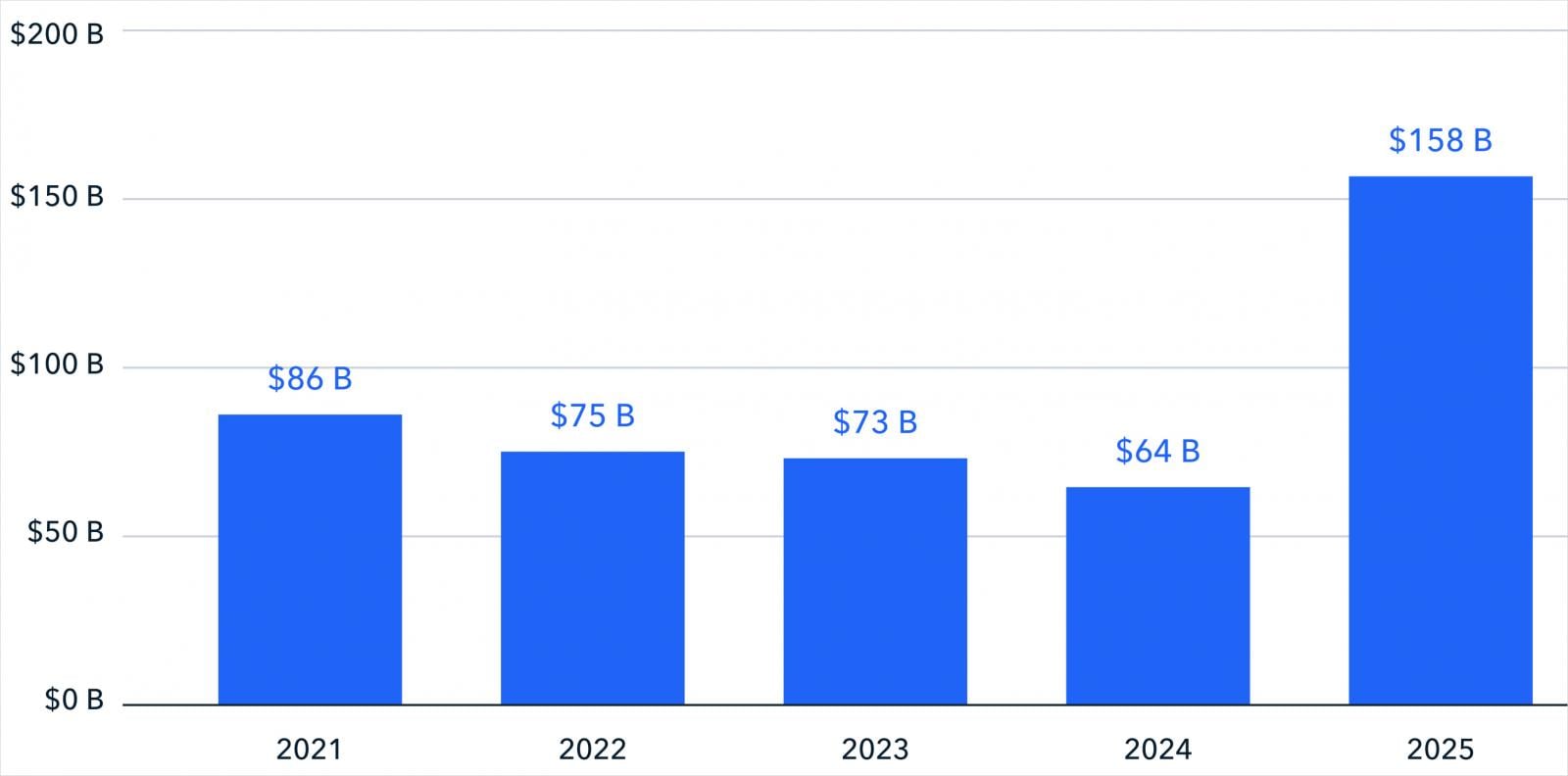
The digital asset ecosystem witnessed a profound shift in 2025, as illegal cryptocurrency transactions surged to an unprecedented $158 billion, marking a dramatic reversal of a multi-year decline and raising significant concerns regarding financial integrity and global security. This staggering sum represents a 145% increase over the previous year’s figures, shattering earlier trends that saw illicit flows decrease from $86 billion in 2021 to $64 billion in 2024. Despite this alarming absolute volume, an intricate dynamic emerged: the proportion of illicit activity relative to the total on-chain transaction volume experienced a marginal reduction, shifting from 1.3% in 2024 to 1.2% in 2025. This paradox underscores the exponential growth of the legitimate cryptocurrency market alongside the escalating sophistication and scale of criminal enterprises operating within it.
The analysis of these trends, derived from leading blockchain intelligence, highlights a complex interplay of factors contributing to the surge. While the overall adoption and transaction volume of digital assets continue to expand, providing a larger pool within which illicit activities can occur, the sheer magnitude of the increase points to more than just market expansion. It signals an intensification of various forms of cybercrime and financial malfeasance leveraging the pseudonymous and borderless nature of cryptocurrencies. Understanding the drivers behind this unprecedented escalation is crucial for policymakers, law enforcement agencies, and industry stakeholders alike, as they grapple with the evolving challenges posed by illicit finance in the digital realm.
The Macro Trend: A Paradigm Shift in Illicit Flows
The significant leap to $158 billion in illicit cryptocurrency flows represents a critical inflection point. For three consecutive years prior to 2025, the digital asset space had shown encouraging signs of maturation, with a noticeable decrease in the total value of funds linked to nefarious activities. This downward trajectory was often attributed to enhanced regulatory scrutiny, improved blockchain analytics capabilities, and increased collaboration between law enforcement and crypto platforms. The abrupt reversal in 2025, therefore, demands a deeper examination into the underlying forces that propelled such a dramatic increase.

One crucial aspect of this trend is the distinction between the absolute volume of illicit funds and their share of the total market. While $158 billion is a record high in nominal terms, the marginal decrease in its percentage share (from 1.3% to 1.2%) suggests that the legitimate cryptocurrency market grew at an even faster pace. This nuance indicates that while the problem of illicit finance is growing in scale, it is not necessarily consuming a larger proportion of the rapidly expanding digital economy. However, the absolute figures remain profoundly concerning, as they represent tangible losses for victims and substantial financial gains for criminal organizations, posing direct threats to national security, economic stability, and public trust in digital assets. The sheer volume also implies a greater challenge for compliance and enforcement efforts, which must scale exponentially to keep pace with the growth of both legitimate and illicit activity.
Key Drivers of the Surge: A Multi-faceted Threat Landscape
The spike in illicit cryptocurrency flows can be attributed to a confluence of factors, primarily centered around a heightened frequency and scale of cyber exploitation, sophisticated scam operations, and persistent ransomware campaigns. Each of these categories demonstrated significant activity, contributing to the overall record-breaking figures.
Cyber Exploitation: The Scourge of Hacks
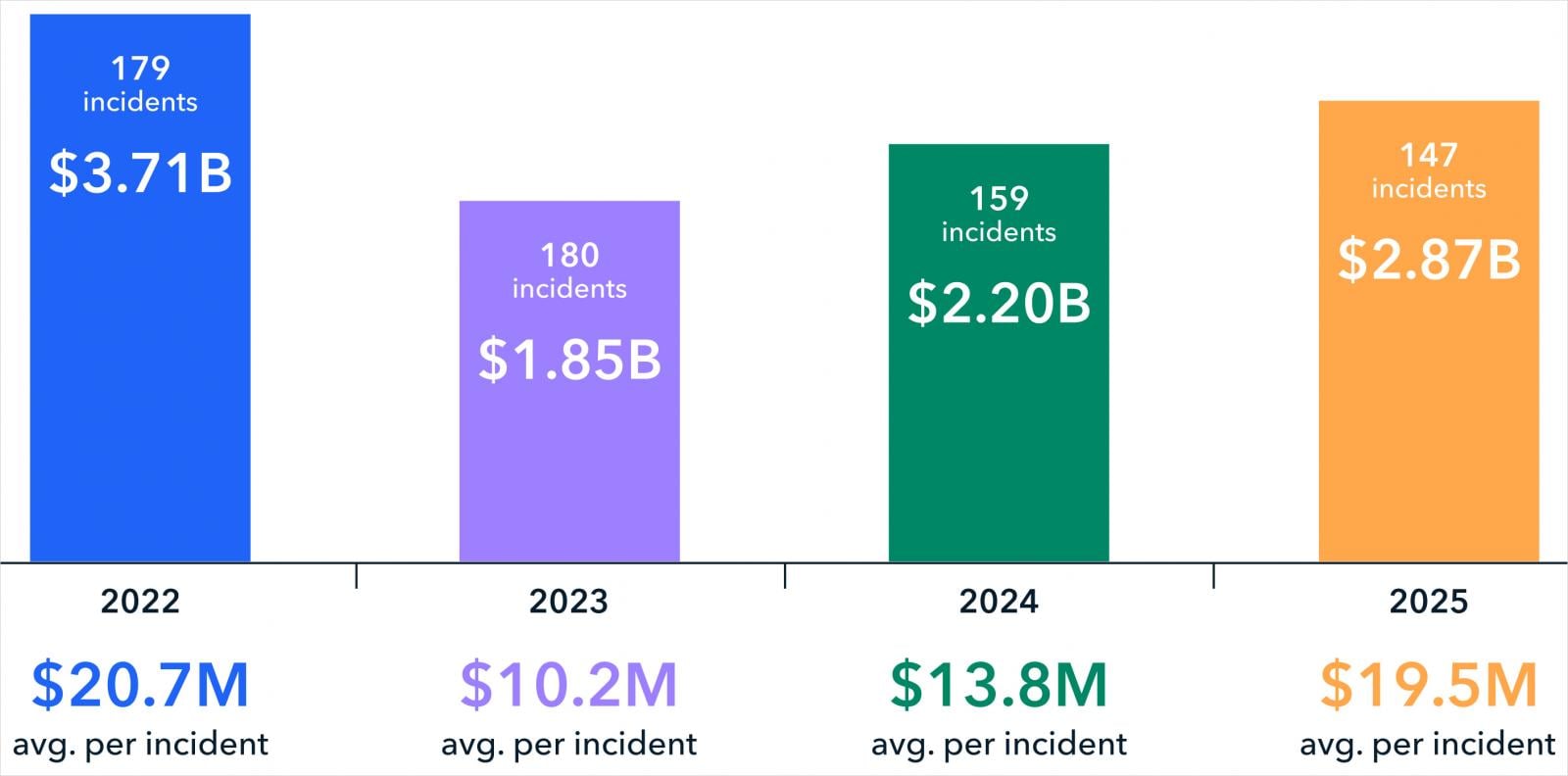
The year 2025 was particularly devastating for digital asset security, witnessing approximately $2.87 billion in losses across 150 distinct hacking incidents. The concentration of value stolen was stark, with the ten largest breaches accounting for a staggering 81% of the total pilfered funds. This pattern underscores a trend where a few highly sophisticated and well-resourced threat actors are responsible for the majority of financial damage.
A prime example of this was the February 2025 Bybit breach, which resulted in an estimated $1.46 billion in losses. Investigations quickly pointed to North Korean state-sponsored hacking groups, specifically the Lazarus Group, known for their prowess in cyber warfare and their strategic use of cryptocurrency theft to fund illicit weapons programs and other state objectives. Such large-scale attacks are not merely opportunistic; they often involve meticulous planning, exploitation of zero-day vulnerabilities, social engineering at an advanced level, and sophisticated money laundering techniques to obscure the trail of stolen funds. The implications extend beyond financial loss, touching upon national security concerns and the broader geopolitical landscape, as nation-states increasingly turn to cybercrime as a means of economic warfare and sanctions evasion.
Deceptive Schemes: The Pervasiveness of Scams

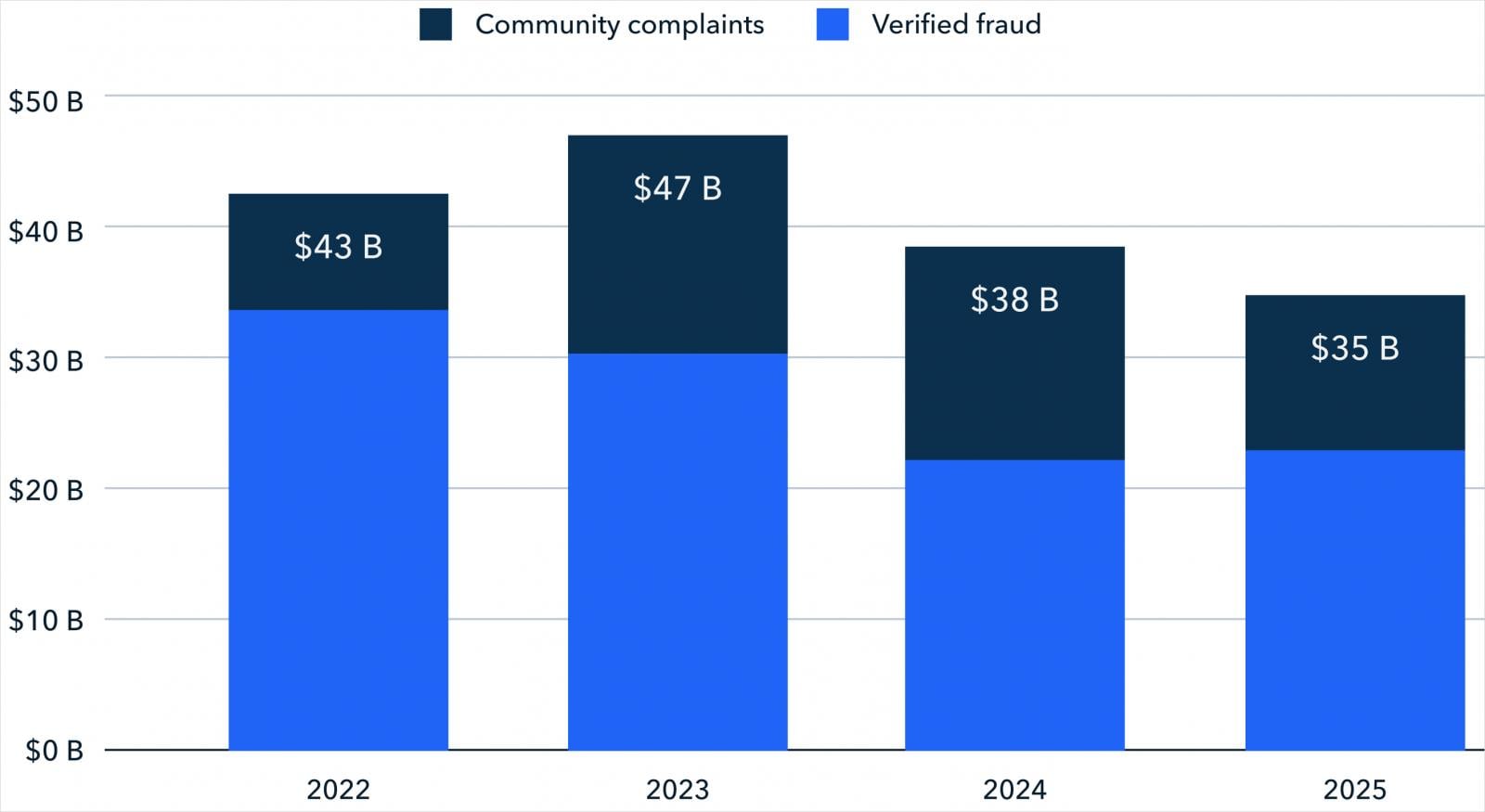
Beyond direct hacks, fraudulent schemes continued to siphon enormous sums from unsuspecting individuals, with an estimated $35 billion in cryptocurrency sent to various scams throughout 2025. This category represents a significant portion of the total illicit flows and is characterized by its broad reach and psychological manipulation. Investment scams dominated this landscape, comprising 62% of all fraud-related inflows. These encompass a wide array of deceptive tactics, including:
- Romance Baiting (Pig Butchering): A particularly insidious form of fraud where scammers build romantic relationships with victims over extended periods, gradually coercing them into investing in fake cryptocurrency platforms.
- Ponzi Schemes: Classic pyramid schemes adapted for the crypto space, promising impossibly high returns to early investors paid for by funds from later investors, inevitably collapsing.
- Fake Task Scams: Perpetrators lure victims with promises of easy money for completing simple online tasks, progressively demanding larger "investments" or fees to unlock payouts that never materialize.
A troubling development noted in 2025 was the discernible increase in the organization, professionalism, quality, and outreach of these scam operations. This enhanced sophistication is largely attributed to the growing adoption of artificial intelligence (AI) tools. AI can be leveraged to generate highly convincing phishing emails, craft personalized and emotionally manipulative narratives for romance scams, and automate large-scale outreach campaigns, making it increasingly difficult for victims to distinguish legitimate opportunities from elaborate frauds. The professionalization of these criminal enterprises suggests a high degree of coordination, resource allocation, and a strategic understanding of human psychology, making them exceedingly difficult to dismantle.
Extortionware: The Evolving Ransomware Threat
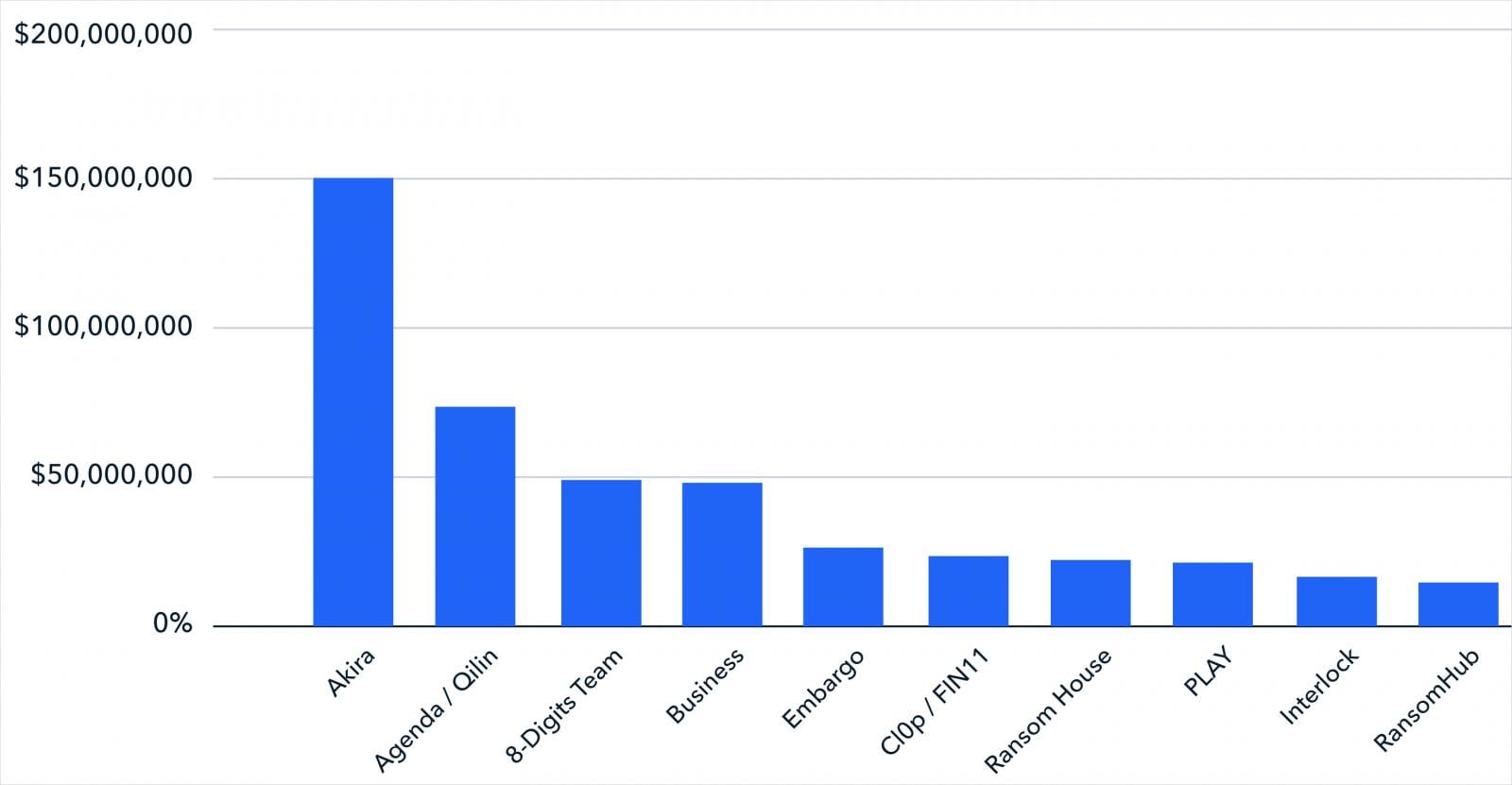
Ransomware-linked cryptocurrency inflows remained a significant threat in 2025, although they did not reach the absolute peaks observed in prior years. This trend presents a nuanced picture: while 2025 set a record for the number of victims listed on extortion portals, indicating a higher frequency of attacks, there was a noticeable shift in victim behavior. A growing number of organizations and individuals demonstrated increased resilience, opting to resist paying ransoms to cybercriminals. This defiance is likely influenced by enhanced recovery capabilities, improved cybersecurity postures, and a greater awareness of the ethical and practical dilemmas associated with funding criminal enterprises.
Despite a potential decrease in payment rates, the ransomware ecosystem continued to evolve with alarming rapidity. Analysts observed unprecedented fragmentation, with 161 active strains and 93 new variants emerging in 2025 alone. This proliferation makes tracking and attributing attacks more challenging, as threat actors constantly innovate to evade detection and exploit new vulnerabilities. The laundering operations associated with ransomware payments also underwent significant changes. While the use of traditional cryptocurrency mixers—services designed to obscure the origins of funds—declined by 37%, there was a substantial 66% increase in the utilization of cross-chain bridges and other sophisticated routing techniques. These methods allow criminals to move funds seamlessly between different blockchain networks, adding layers of complexity to forensic investigations and making it harder for law enforcement to trace the flow of illicit assets.
Implications for the Digital Economy and Global Security
The record-breaking surge in illicit cryptocurrency flows in 2025 carries profound implications across multiple sectors.
Regulatory Scrutiny and Policy Responses: The escalating figures will undoubtedly intensify pressure on regulators worldwide to implement stricter controls, enhance Know Your Customer (KYC) and Anti-Money Laundering (AML) frameworks, and foster greater international cooperation. Governments may feel compelled to enact more stringent legislation, potentially impacting innovation and privacy within the legitimate crypto space. The challenge lies in striking a balance between preventing illicit activities and fostering the growth of a legitimate, compliant digital asset industry.
Erosion of Trust and Market Stability: Such high volumes of illicit activity can undermine public confidence in cryptocurrencies, deterring mainstream adoption and institutional investment. The perception that digital assets are primarily tools for criminals can overshadow their legitimate use cases, potentially leading to increased market volatility and a more cautious approach from traditional financial institutions.
Law Enforcement Challenges: Tracing and recovering illicit cryptocurrency remains a complex, resource-intensive endeavor. The borderless nature of these transactions, coupled with the increasing sophistication of obfuscation techniques, presents significant jurisdictional and investigative hurdles for law enforcement agencies globally. The need for specialized expertise, advanced analytical tools, and cross-border collaboration is more pressing than ever.
Industry Responsibility and Innovation: The digital asset industry itself faces a critical imperative to bolster its security infrastructure, enhance compliance protocols, and actively collaborate with law enforcement. Innovation in blockchain analytics, AI-powered threat detection, and secure custody solutions will be crucial in combating these evolving threats. Self-regulatory initiatives and adherence to best practices can also play a vital role in demonstrating commitment to financial integrity.
Mitigation Strategies and Future Outlook
Addressing the escalating challenge of illicit cryptocurrency flows requires a multi-pronged approach encompassing technological advancements, robust regulatory frameworks, and enhanced international collaboration.
Technological Countermeasures: Continued investment in advanced blockchain analytics tools is paramount. These platforms leverage artificial intelligence and machine learning to identify suspicious transaction patterns, trace funds across various networks, and attribute activities to known illicit entities. Furthermore, the development of more secure wallet technologies, smart contract auditing, and robust decentralized identity solutions can help mitigate vulnerabilities exploited by hackers and scammers.
Regulatory Harmonization and Enforcement: Global coordination among regulatory bodies is essential to establish consistent standards for KYC, AML, and sanctions enforcement. This includes sharing intelligence, harmonizing legal frameworks, and facilitating cross-border investigations and asset recovery. Stricter enforcement mechanisms, coupled with penalties for non-compliance, will create a more deterrent environment for illicit actors.
Public Education and Awareness: A significant portion of illicit flows stems from scams that exploit human vulnerabilities. Comprehensive public education campaigns can empower individuals to identify and avoid fraudulent schemes, promoting safer engagement with digital assets.
Future Outlook: The cat-and-mouse game between illicit actors and those striving for financial security in the digital realm is expected to intensify. As technology evolves, so too will the methods of exploitation and evasion. The increasing use of AI by criminals to scale their operations and create more convincing scams will necessitate the deployment of even more sophisticated AI-driven defenses. The continued fragmentation of the ransomware landscape and the evolution of money laundering techniques underscore the dynamic nature of the threat. Ultimately, the long-term integrity and widespread adoption of digital assets will depend on the collective ability of industry, government, and civil society to effectively mitigate these growing risks and ensure that the digital economy serves as a force for legitimate innovation rather than a haven for illicit finance.




 Lisa Mariana
 Aura Kasih
 Ayu Aulia