Aura Kasih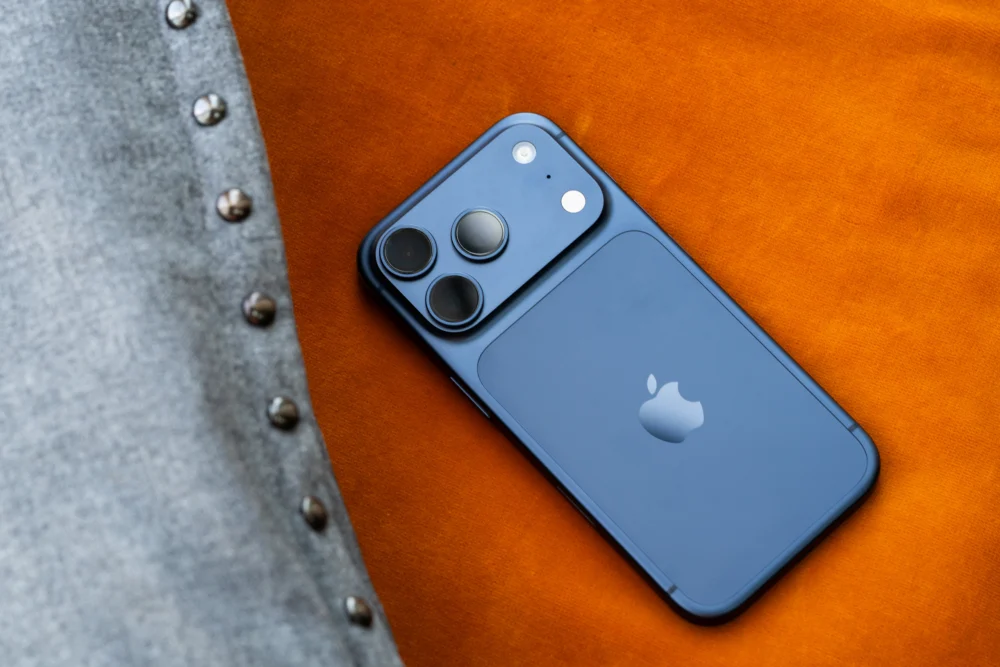
Cupertino, CA – In a testament to its enduring market leadership, Apple has announced a remarkable financial quarter, driven by stellar performance from its flagship iPhone product line, which achieved its most lucrative period to date. The technology giant reported a staggering $85.3 billion in revenue specifically from iPhone sales during the first fiscal quarter of 2026, contributing significantly to an overall company revenue of $143.8 billion. This impressive figure represents a substantial 16 percent year-over-year increase, underscoring Apple’s consistent ability to drive growth in a highly competitive global market.
The surge in iPhone revenue, a remarkable 23 percent increase compared to the previous year, was directly attributed by Apple CEO Tim Cook to the overwhelming consumer demand for the latest iPhone models. Cook highlighted the current iPhone lineup as the most compelling and popular Apple has ever offered, a statement that resonates with the company’s strategic product development and marketing efforts. This performance is particularly noteworthy given the backdrop of certain technological advancements and market rumors that might have suggested potential headwinds.
Despite initial reports of delays concerning the much-anticipated AI-enhanced capabilities of Siri, the iPhone’s core appeal remained undiminished. The newly released iPhone 17, for instance, has successfully integrated features that were previously exclusive to Apple’s higher-tier "Pro" models, such as the always-on display and enhanced screen refresh rates. This democratization of premium features across the iPhone spectrum appears to have broadened its appeal, attracting a wider consumer base. Furthermore, speculation about slower-than-expected sales for an "iPhone Air" model did not appear to significantly impact the overall iPhone revenue trajectory, suggesting the core iPhone 17 and its variants are more than compensating for any perceived softness in other product segments.
The robust demand for the iPhone 17 series has, however, led to a challenging supply-demand balance, with Apple experiencing constrained availability. Tim Cook elaborated on the complexities of the supply chain, noting reduced flexibility in securing the advanced process nodes essential for the cutting-edge chips that power these devices. This logistical hurdle, while indicative of strong demand, also points to the intricate manufacturing ecosystem required to produce Apple’s sophisticated hardware.
Beyond the iPhone, Apple’s diversified revenue streams also demonstrated resilience. The company’s services division, encompassing popular subscription offerings like Apple Music, iCloud, and Apple TV+, experienced a healthy 14 percent year-over-year growth. This segment continues to be a critical pillar of Apple’s financial strategy, providing recurring revenue and fostering customer loyalty. In contrast, revenue from Mac computers and wearable devices saw a decline during the quarter, suggesting a shifting consumer preference or a more mature market for these product categories.
Looking ahead, Apple is poised to integrate significant AI advancements into its ecosystem, most notably with a forthcoming overhaul of Siri. The company has confirmed a strategic partnership with Google to power these next-generation AI features, leveraging a customized version of Google’s Gemini AI model. This collaboration signifies a strategic embrace of external AI expertise to accelerate the development and deployment of advanced personalization capabilities for Siri. The integration aims to transform Siri from a reactive voice assistant into a more proactive and intelligent conversational agent, capable of understanding and responding to complex user needs.
Adding further momentum to its AI ambitions, Apple is reportedly in the process of acquiring AI startup Q.ai for a substantial $2 billion, according to reports from the Financial Times. While specific details regarding the integration of Q.ai’s technology remain undisclosed, indications from the startup’s patent portfolio suggest a focus on innovative human-computer interaction. Patents point towards technology that could interpret subtle facial micro-movements for silent communication, potentially hinting at future applications in augmented reality devices, smart glasses, or even advanced headphone interfaces. This acquisition signals Apple’s commitment to acquiring specialized talent and proprietary technology to bolster its AI research and development efforts.
The broader implications of these AI investments are far-reaching. Industry analysts suggest that Apple is strategically positioning itself to redefine the role of artificial intelligence within its product ecosystem. Rumors circulating from reputable sources, including insights from Bloomberg’s Mark Gurman, indicate an ambitious plan to transform Siri into a fully-fledged AI chatbot, deeply embedded within both the iPhone and Mac operating systems. This evolution could potentially create a more seamless and intuitive user experience, where AI assistance is not merely an add-on but an intrinsic part of daily device interaction. Furthermore, reports suggest Apple is developing its own AI-powered web search tool, which could potentially challenge the dominance of existing search engines and further enhance Siri’s utility.
The sustained success of the iPhone, coupled with aggressive investments in artificial intelligence and a robust services division, positions Apple for continued growth and market influence. The company’s ability to navigate supply chain complexities, integrate cutting-edge AI technology, and maintain strong consumer demand for its core products underscores its unparalleled operational and strategic prowess. As Apple continues to innovate and expand its AI capabilities, its impact on the technology landscape and consumer behavior is likely to be profound, setting new benchmarks for the industry in the years to come. The Q1 2026 earnings report serves as a powerful indicator of Apple’s current strength and its strategic foresight in shaping the future of personal technology.


 Lisa Mariana
 Safa Marwah
 Ayu Aulia