Lisa Mariana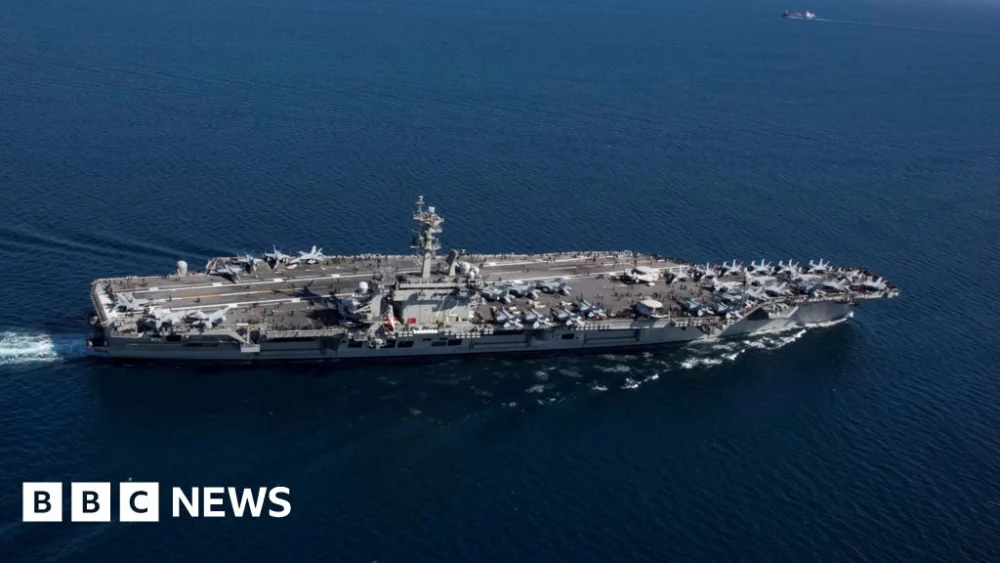
The United States has articulated a clear set of non-negotiable demands to Iran, signaling a desire to avert military confrontation while simultaneously reinforcing a substantial naval presence in the Persian Gulf. This diplomatic overture, delivered amidst a backdrop of escalating regional instability and severe internal unrest within Iran, underscores a complex interplay of strategic posturing and calls for de-escalation from international actors.
At the heart of Washington’s position are two primary conditions: a categorical abandonment of any nuclear weapons ambitions and an immediate cessation of lethal force against domestic protesters. The latter point draws particular attention to the ongoing human rights crisis within the Islamic Republic, where widespread demonstrations have been met with a forceful, often deadly, response from state security apparatuses. The American leadership has emphatically stated that while significant military assets, including a powerful naval fleet led by an aircraft carrier, are strategically deployed, the preferred outcome remains a peaceful resolution that precludes the necessity of their operational deployment. This dual approach of assertive deterrence coupled with an expressed preference for non-military solutions reflects a calculated strategy to compel Tehran to the negotiating table on terms favorable to Washington.
The current escalation is rooted in a protracted period of deteriorating relations between the two nations, intensified significantly following the US withdrawal from the Joint Comprehensive Plan of Action (JCPOA), commonly known as the Iran nuclear deal, in 2018. The JCPOA, forged by global powers including the US, aimed to curb Iran’s nuclear program in exchange for sanctions relief. Its abrogation by the US administration, which deemed the agreement insufficient, led to the re-imposition of crippling economic sanctions, severely impacting Iran’s economy and contributing to widespread public discontent. Washington’s stated objective since then has been to negotiate a "better deal" that addresses not only Iran’s nuclear capabilities but also its ballistic missile program and its regional proxy activities, which the US views as destabilizing.
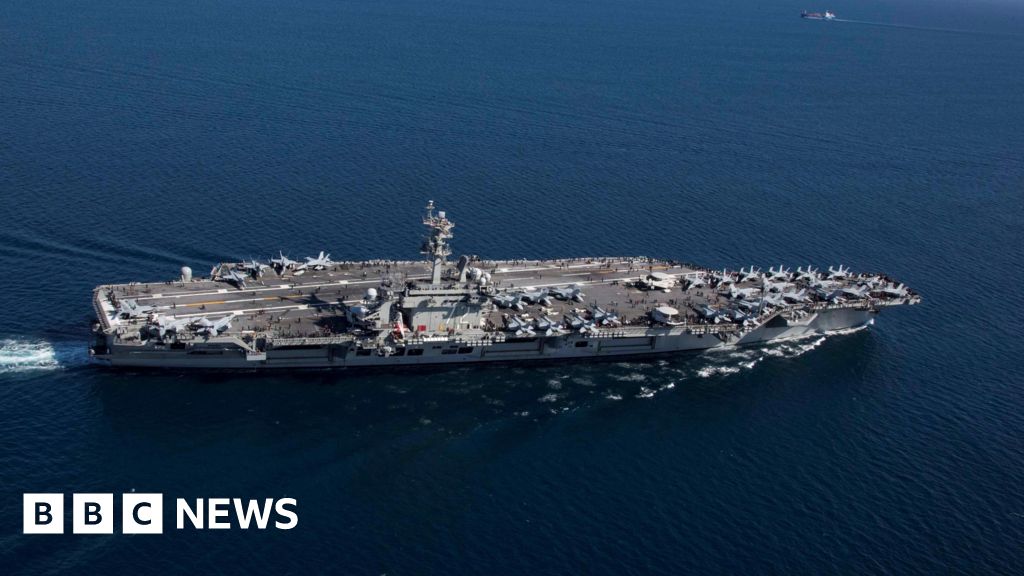
The "no nuclear" demand is a direct consequence of this policy, reflecting long-standing international concerns about potential nuclear proliferation in the Middle East. Iran has consistently maintained that its nuclear program is exclusively for peaceful energy and medical purposes, a stance it reiterated even after the US withdrawal from the JCPOA. However, the international community, particularly the US and its allies, remains wary, citing past instances of opacity and non-compliance. The deployment of significant naval power, including the USS Abraham Lincoln Carrier Strike Group, serves as a powerful projection of force, intended to underscore the gravity of the US demands and demonstrate a credible capacity for military intervention should diplomatic efforts fail. Such a deployment is not merely symbolic; it enhances intelligence gathering, surveillance capabilities, and provides a robust platform for potential offensive or defensive operations in a highly contested maritime environment.
The second condition, "stop killing protesters," introduces a significant humanitarian dimension to the geopolitical standoff. Since late last year, Iran has been gripped by a wave of anti-government demonstrations, initially sparked by economic grievances, particularly a sharp devaluation of the national currency and rising living costs. These protests rapidly evolved into a broader challenge to the legitimacy of the clerical establishment, with participants demanding fundamental political and social reforms. Reports from human rights organizations, such as the US-based Human Rights Activists News Agency (Hrana), paint a grim picture of the crackdown, documenting thousands of fatalities, including a significant number of children, and many more reported deaths under investigation. The Iranian authorities, while acknowledging casualties, have largely attributed them to "rioters" and foreign-backed elements, claiming that a substantial portion of the deceased were security personnel or innocent bystanders. This stark divergence in casualty reporting highlights the deep chasm between official narratives and independent assessments, further fueling international condemnation and US rhetorical support for the demonstrators. The US administration’s vocal support for the protesters signals an intent to leverage internal dissent as a pressure point against the Iranian regime, aligning with a broader strategy of maximum pressure that extends beyond nuclear issues to encompass human rights and regional conduct.
Tehran’s response to these overtures has been a mixture of defiance and conditional openness to negotiation. Iranian Foreign Minister Abbas Araghchi, while engaging in diplomatic discussions in Istanbul, affirmed the armed forces’ readiness to "immediately and powerfully respond" to any aggression, underscoring Iran’s commitment to national defense. Simultaneously, he expressed Iran’s long-standing receptiveness to a "mutually beneficial, fair and equitable nuclear deal," provided it is free from coercion and guarantees Iran’s right to peaceful nuclear technology without infringing on its sovereignty. Crucially, Iran reiterated its firm denial of any intent to acquire nuclear weapons, stating that such armaments "have no place in our security calculations." This nuanced position suggests a strategic calculus aimed at projecting strength to deter military action while leaving a door open for diplomatic engagement, albeit on terms that respect Iranian dignity and national interests.
The involvement of regional actors in mediating the crisis underscores the broader geopolitical implications of the US-Iran standoff. Turkish President Recep Tayyip Erdogan’s offer to help "de-escalate" tensions between Tehran and Washington signals a recognition of the potential for regional destabilization and a desire to foster stability in its neighborhood. Turkey, with its complex relations with both the US and Iran, is strategically positioned to play such a role, seeking to protect its own interests from the fallout of any conflict. Similarly, other international powers, particularly European signatories to the JCPOA, have consistently advocated for de-escalation and a return to diplomacy, recognizing the fragility of regional peace and the global consequences of an unchecked escalation.
From an analytical perspective, the US approach can be seen as a continuation of "maximum pressure" tactics, employing both military deterrence and economic sanctions to force a change in Iranian behavior. The rhetoric, oscillating between aggressive warnings and expressions of hope for peaceful resolution, is characteristic of a negotiation strategy designed to maximize leverage. The deployment of a "massive Armada," as described, serves not only as a credible military threat but also as a psychological tool, aiming to demonstrate resolve and the overwhelming power at Washington’s disposal. However, this strategy carries inherent risks, primarily the danger of miscalculation by either side, which could inadvertently trigger a broader conflict in an already volatile region. The Persian Gulf, a critical artery for global oil shipments, is particularly susceptible to disruption, with potential ripple effects on international energy markets.
Iran, for its part, is navigating a precarious domestic situation compounded by external pressure. The ongoing protests represent a significant internal challenge to the regime’s authority, while the economic sanctions continue to inflict hardship on the populace. The leadership’s strong rhetoric regarding military readiness is partly aimed at bolstering domestic support and projecting an image of resilience against foreign aggression. Its conditional openness to negotiations, however, suggests a pragmatic recognition of the severe costs of complete isolation and potential military confrontation. The regime’s insistence on its right to peaceful nuclear technology, coupled with its rejection of nuclear weaponry, indicates a desire to retain strategic options and leverage in any future negotiations, while adhering to its stated religious prohibition against weapons of mass destruction.
Looking ahead, the path to de-escalation remains fraught with challenges. Any "fair and equitable deal" would likely require significant concessions from both sides. For the US, this might entail a partial lifting of sanctions and a re-engagement with multilateral diplomacy, while for Iran, it could mean greater transparency regarding its nuclear program and a demonstrable reduction in actions perceived as destabilizing by its neighbors and the international community. The internal dynamics within Iran, particularly the ongoing protests and the regime’s response, will also heavily influence its calculus. A sustained and severe crackdown could further isolate Tehran, making diplomatic breakthroughs more difficult, whereas a more accommodating approach to its own populace might create space for international engagement. The role of international mediators, particularly those with strong diplomatic ties to both Washington and Tehran, will be crucial in facilitating dialogue and identifying mutually acceptable off-ramps from the current trajectory of confrontation. Ultimately, the resolution of this standoff will depend on the willingness of both the United States and Iran to move beyond maximalist positions and engage in genuine, good-faith negotiations to prevent a potentially catastrophic regional conflict.


 Aura Kasih
 Safa Marwah
 Ayu Aulia