
 Aura Kasih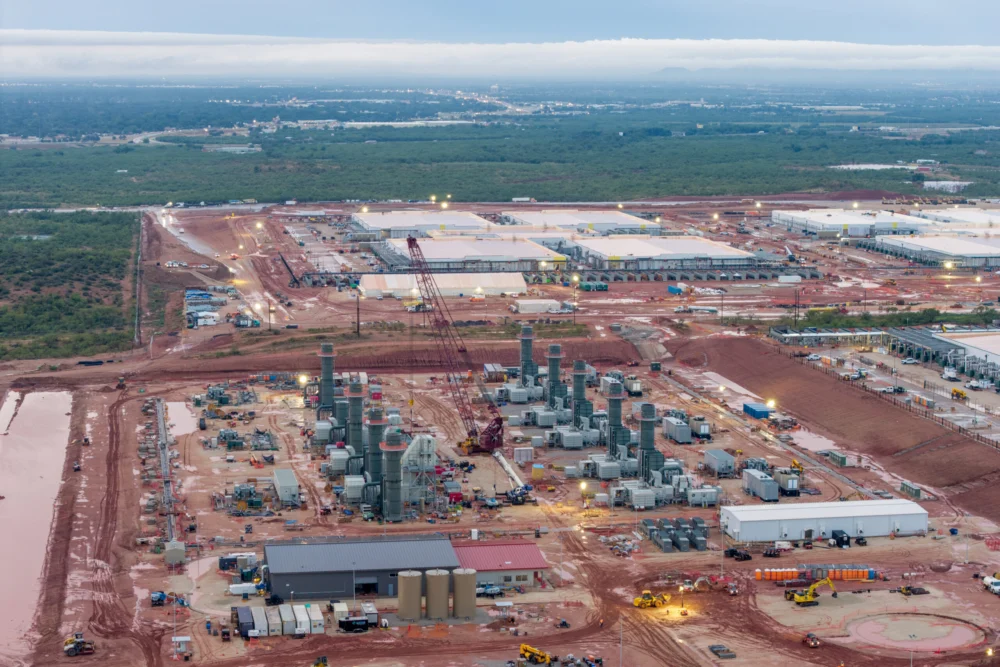
The United States is currently spearheading a global resurgence in the construction of new natural gas power plants, driven primarily by the insatiable energy demands of burgeoning data centers, a trend that carries significant implications for planetary climate objectives. This surge in gas-fired power generation development represents a notable departure from recent efforts to transition towards cleaner energy sources and presents a complex challenge for policymakers and environmental advocates alike.
The global landscape of planned natural gas power generation has witnessed a dramatic escalation, with figures indicating a 31 percent increase in projects under development in 2025. The United States has emerged as the primary driver of this expansion, accounting for nearly a quarter of this newly planned capacity and surpassing China as the nation with the most substantial growth. A significant portion of this anticipated increase in energy consumption within the U.S., exceeding one-third of the total growth, is directly attributable to the operational needs of data centers. This correlation underscores the profound impact that the digital infrastructure supporting modern computing, particularly the rapid advancements in generative artificial intelligence (AI), is having on the global energy sector.
The exponential proliferation of powerful hardware required to support expanding data centers, especially those dedicated to the burgeoning field of generative AI, has led to projections of unprecedented electricity demand. While the ultimate integration of AI into the fabric of daily life remains a subject of ongoing speculation and the viability of numerous proposed data center projects is yet to be fully determined, the immediate consequence of these anticipations is a renewed impetus for natural gas infrastructure development. This strategic reliance on gas power, ostensibly to meet future AI-driven energy needs, risks impeding the broader transition towards decarbonized energy systems.
Experts caution that this substantial investment in new natural gas capacity carries inherent risks. There is a palpable concern that these developments could inadvertently create long-term emission liabilities and become stranded assets should the projected electricity demand from AI technologies fail to materialize at the anticipated scale. This scenario, where infrastructure is built for a demand that never fully materializes, represents a significant economic and environmental challenge, potentially locking in decades of greenhouse gas emissions without delivering the intended benefits.
The current trajectory suggests that 2026 is poised to become a landmark year for natural gas power. If all proposed projects currently in the development pipeline reach fruition, the increase in installed capacity would dwarf previous records, potentially exceeding the surge observed in 2002. This historical context is particularly noteworthy, as the early 2000s were characterized by the so-called "shale gas revolution" in America. This period saw the widespread adoption of hydraulic fracturing (fracking) technologies, which unlocked vast reserves of previously inaccessible natural gas. At that time, natural gas was positioned as a cleaner and more economical alternative to coal, producing fewer carbon dioxide emissions when combusted. However, the environmental calculus of natural gas is complex. While it burns cleaner than coal in terms of carbon dioxide, the extraction and transportation processes associated with natural gas are significant sources of methane, a greenhouse gas that is considerably more potent than carbon dioxide in the short term, despite having a shorter atmospheric lifespan.
The burgeoning demand from data centers is not merely a domestic U.S. phenomenon; it is a global trend with profound geopolitical and environmental ramifications. The sheer scale of energy required to power the servers, cooling systems, and network infrastructure of these digital hubs is staggering. As AI capabilities advance and the adoption of AI-driven applications becomes more widespread, the energy footprint of data centers is expected to grow exponentially. This presents a critical juncture for energy policy, forcing nations to balance the immediate need for reliable power with long-term climate commitments.
The historical context of the Paris Agreement, a landmark international accord signed by nearly every nation, including major emitters like China and the United States, aimed to limit global warming. The agreement’s most ambitious targets necessitate a wholesale transition away from fossil fuels towards less polluting alternatives such as renewable energy sources. Achieving net-zero greenhouse gas emissions by approximately 2050, as outlined in the agreement, is contingent upon a rapid and comprehensive decarbonization of the global energy supply.

However, recent geopolitical developments and shifts in energy policy have introduced complexities to this transition. The withdrawal of the United States from the Paris Agreement under the Trump administration, followed by a documented increase in U.S. greenhouse gas emissions in 2025 after a period of decline during the Biden administration, highlights the vulnerability of climate goals to political winds. The U.S., as the world’s leading producer of natural gas and a major hub for data center operations, finds itself at a critical crossroads. The nation’s decision to nearly triple the amount of gas-fired capacity under development in the past year, as reported by the Global Energy Monitor, signals a strategic pivot that could have far-reaching consequences.
The Trump administration’s approach has been characterized by a deliberate effort to downplay the urgency of climate change and to actively suppress research aimed at mitigating greenhouse gas emissions. This stance has been accompanied by a concerted push to entrench reliance on fossil fuels, including oil, gas, and coal. The administration’s "AI Action Plan" explicitly prioritizes the acceleration of new fossil fuel infrastructure development specifically to support the energy needs of data centers. This policy directive, focused on rapid deployment rather than sustainable energy solutions, raises concerns about the long-term environmental legacy and the potential for creating energy systems that are incompatible with global climate objectives.
The implications of this renewed reliance on natural gas are multifaceted. From an environmental perspective, the increased combustion of natural gas, while producing less CO2 than coal, still contributes significantly to greenhouse gas emissions. Furthermore, the upstream impacts of natural gas extraction, including methane leaks, pose a substantial threat to climate stability. Methane’s potency as a greenhouse gas means that even small leaks can have a disproportionately large warming effect in the short to medium term.
Economically, the investment in new gas infrastructure carries the risk of creating "stranded assets." If the projected demand for AI-powered computing does not materialize as expected, or if technological advancements lead to more energy-efficient data center designs or a shift towards renewable energy sources, these newly built gas plants could become economically obsolete before the end of their operational lifespan. This would represent a significant financial loss for investors and could create political pressure to continue operating these plants, further entrenching fossil fuel dependence.
The energy sector’s response to the data center boom also presents an opportunity for innovation. While natural gas is currently a significant part of the equation, the sheer scale of demand could also incentivize investment in renewable energy sources and advanced energy storage solutions. The development of next-generation grid technologies, smart grid management, and energy-efficient data center designs are all critical components in mitigating the environmental impact of this digital expansion. However, the current policy landscape, which appears to favor immediate fossil fuel deployment, may hinder the widespread adoption of these cleaner alternatives.
The geopolitical ramifications are also significant. The U.S.’s increased reliance on natural gas could influence its international energy relations and its role in global climate negotiations. As other nations strive to meet their climate targets, the U.S.’s position as a major proponent of gas infrastructure could create friction and undermine collective efforts to address climate change. The global energy market is interconnected, and the decisions made by major producers and consumers have ripple effects worldwide.
The narrative of a "new heyday for gas" is thus a complex one, intertwined with technological advancement, economic imperatives, and pressing environmental concerns. The rapid growth of data centers and the transformative potential of AI are undeniable forces shaping the future of energy consumption. However, the chosen path for meeting this demand will have profound and lasting consequences for the planet. A critical evaluation of the long-term sustainability of current energy strategies, coupled with a robust commitment to decarbonization and the development of innovative, clean energy solutions, will be paramount in navigating this critical juncture. The decisions made today regarding energy infrastructure will define the environmental and economic landscape for decades to come.




 Safa Marwah
 Lisa Mariana


 Ayu Aulia