
 Aura Kasih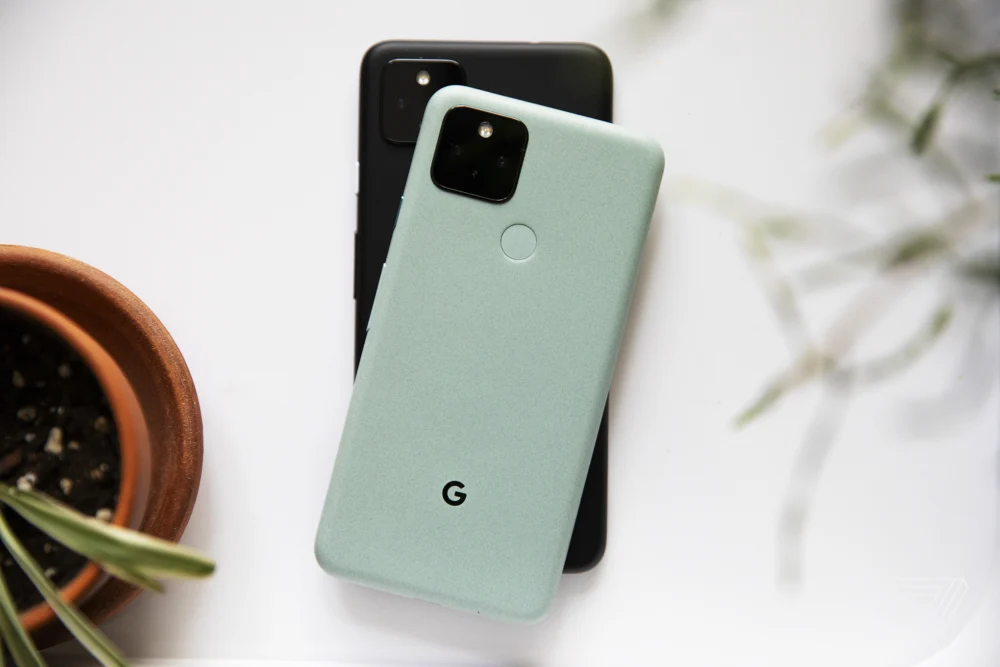
Google has proactively disabled its innovative "Take a Message" feature and other advanced call screening functionalities on a select group of older Pixel smartphones following the discovery of a significant privacy vulnerability. This critical bug, affecting a small percentage of Pixel 4 and Pixel 5 devices, was found to inadvertently transmit audio from the user’s environment to callers attempting to leave a voicemail. The company’s swift action underscores a commitment to user privacy and data security, even as it addresses a complex technical challenge with its proprietary call management software.
The "Take a Message" feature, introduced to the Google Phone app last year, was designed to offer a seamless user experience by automatically answering incoming calls that went unanswered and transcribing the subsequent voicemail. This functionality aimed to enhance convenience, particularly for users who might miss important calls, by providing an immediate digital record of the message. However, reports from a limited number of Pixel 4 and Pixel 5 owners brought to light a disturbing anomaly: instead of the expected voicemail greeting being recorded, the microphones on these devices were erroneously activating and capturing ambient audio, which was then relayed to the caller.
This unexpected behavior has raised serious privacy concerns, as it implies that personal conversations or sensitive environmental sounds could have been unintentionally broadcast to individuals attempting to leave a message. One user, detailing their experience on a popular online forum, described how callers did not hear the standard voicemail prompt but instead picked up audio from their surroundings. The user noted the activation of the microphone privacy indicator on their device, a visual cue that signals microphone usage, occurring without any user interaction, indicating a passive recording and transmission of audio. This revelation highlights a critical failure in the intended functionality of the call screening system, turning a convenience feature into a potential privacy breach.
In response to these reports, Google community manager Siri Tejaswini issued a statement on a dedicated support page, acknowledging the issue and outlining the immediate steps taken. Tejaswini confirmed that the bug affects "a very small subset of Pixel 4 and 5 devices under very specific and rare circumstances." To mitigate the risk, Google has chosen to "disable Take a Message and next-gen Call Screen features from these devices" as a precautionary measure. This decision reflects a cautious approach, prioritizing the protection of user privacy over the continued operation of a feature that has demonstrated a critical flaw.
The implications of this audio leak extend beyond the immediate inconvenience for affected users. It brings into sharp focus the inherent risks associated with sophisticated software features that interact directly with device hardware, such as microphones. As technology becomes more integrated into our daily lives, the potential for unintended consequences and privacy compromises grows. This incident serves as a potent reminder of the need for rigorous testing, robust security protocols, and transparent communication from technology companies regarding the functionality and potential vulnerabilities of their products.
The "Take a Message" feature, while seemingly straightforward, represents a complex interplay of software and hardware. Its purpose was to streamline the process of capturing voicemails, making them accessible and searchable through transcription. By automatically answering calls and recording messages, it aimed to bridge the gap between missed connections and accessible communication. The underlying technology likely involved advanced speech recognition and audio processing, designed to capture human speech effectively. However, the bug suggests a failure in the system’s ability to differentiate between intended recording scenarios (voicemail) and unintended audio capture, leading to the activation of the microphone at inappropriate times.
The specific circumstances under which this bug manifests remain somewhat opaque, with Google describing them as "very specific and rare." This vagueness could be due to the complexity of identifying the exact trigger conditions, which might involve a confluence of software versions, device states, network conditions, and specific user interactions. Nevertheless, the fact that it impacted a core communication function on a flagship device line is a significant concern for both users and the company.

The decision to disable the feature, rather than attempting an immediate fix, suggests that Google’s engineering teams are undertaking a thorough investigation to understand the root cause of the problem. This might involve analyzing code, reviewing system logs, and potentially recreating the bug in a controlled environment. The absence of a rapid patch could indicate that the issue is deeply embedded within the software architecture, requiring a more comprehensive solution.
For Pixel 4 and 5 owners, the disabling of "Take a Message" means a return to traditional voicemail systems or manual call screening. Google has assured users that "manual and automatic Call Screening or their carrier voicemail" will remain fully functional. Call Screening, a feature that allows users to see a real-time transcript of a caller speaking, is a different function that does not appear to be affected by this particular bug. Carrier voicemail, the standard service provided by mobile network operators, also operates independently of Google’s in-app features.
The question of whether these features will be reinstated on older Pixel models in the future remains open. Google’s response indicates a commitment to addressing the issue, but the timeline and the eventual resolution are not yet clear. It is plausible that Google will develop a robust patch to fix the bug and reintroduce the "Take a Message" functionality once they are confident in its security and reliability. Alternatively, given the age of the Pixel 4 and 5 models, the company might prioritize these features for newer devices, especially if the fix proves to be technically challenging or resource-intensive.
This incident also raises broader questions about the lifecycle of software features on aging hardware. As devices become older, they may receive fewer software updates, and the complexity of maintaining compatibility with new features can increase. The fact that this bug surfaced on devices that are several generations old could be a reflection of the challenges in ensuring long-term software integrity.
From an analytical perspective, this event highlights the critical importance of a multi-layered approach to privacy and security in consumer electronics. Relying solely on software to manage sensitive hardware functions like microphones requires meticulous engineering and continuous vigilance. The presence of a privacy indicator is a valuable tool, but it is most effective when the system itself is designed to prevent unauthorized activation in the first place.
The long-term implications for Google could include a re-evaluation of its software development and testing processes, particularly for features that involve direct hardware interaction. Building user trust in such advanced functionalities requires not only innovation but also an unwavering commitment to security and transparency. Users are increasingly aware of their digital privacy rights, and any perceived lapse can have a significant impact on brand reputation and consumer confidence.
Looking ahead, the resolution of this issue will likely involve a detailed technical explanation from Google, outlining the cause of the bug and the measures taken to prevent recurrence. The company’s ability to swiftly and effectively address this privacy concern will be a key factor in reassuring its user base. The future of the "Take a Message" feature on older Pixel devices will depend on the complexity of the fix and Google’s strategic decisions regarding software support for its legacy hardware. Regardless of the ultimate outcome for these specific models, the incident serves as a significant case study in the ongoing evolution of mobile technology and the paramount importance of safeguarding user privacy in an increasingly connected world. The company’s proactive stance in disabling the feature, while inconvenient for some, demonstrates a responsible approach to a critical privacy matter, prioritizing the protection of its users’ data and personal spaces.




 Safa Marwah
 Lisa Mariana


 Ayu Aulia