Lisa Mariana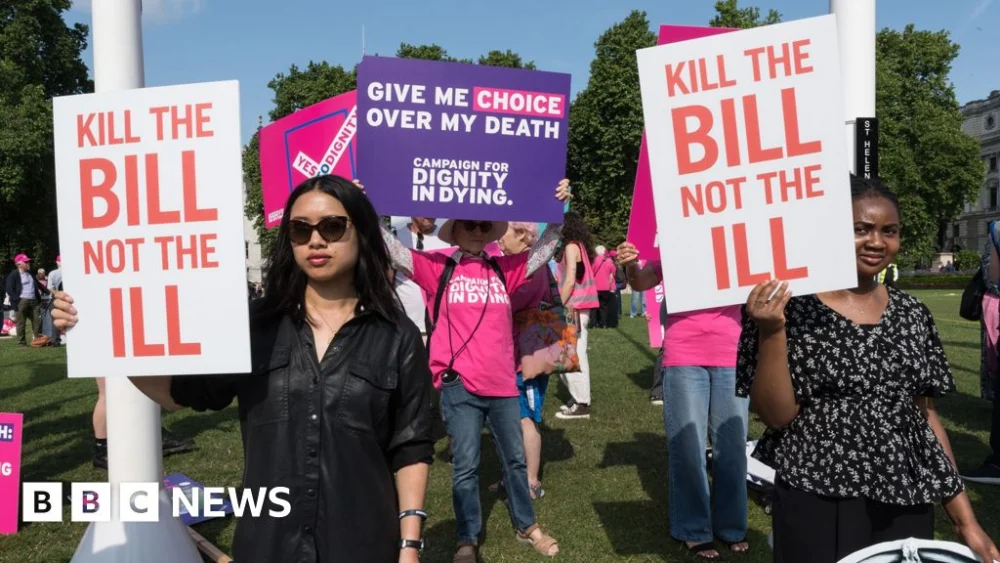
The United Kingdom’s protracted legislative journey towards legalizing assisted dying has reached a critical juncture, with a key proponent asserting that the current bill faces insurmountable obstacles in the House of Lords unless peers fundamentally alter their approach, potentially triggering an unprecedented constitutional confrontation. This dire assessment comes from a prominent advocate for the proposed changes, who has articulated that the legislation, despite securing endorsement from the elected House of Commons, stands "absolutely no hope" of enactment within the current parliamentary session absent a significant shift in the upper chamber’s engagement.
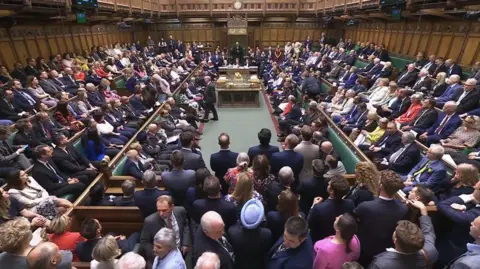
The contentious "Terminally Ill Adults Bill," a Private Member’s Bill, has become the focal point of an intense national debate, pitting proponents of individual autonomy and dignity against those concerned with safeguarding the vulnerable and upholding the sanctity of life. Its passage through the House of Commons last summer, following an emotionally charged and deeply deliberative session that saw Members of Parliament engage in profound introspection, marked a significant milestone. However, its subsequent journey through the House of Lords has been characterized by protracted scrutiny and a volume of proposed amendments that has effectively stalled its progress.
Lord Falconer, a former justice secretary and a leading voice in the campaign for assisted dying, has issued a stark warning regarding the bill’s precarious position. His pronouncements suggest that the legislative window is rapidly closing, with the impending King’s Speech in May marking the traditional end of the parliamentary session. Should the bill not navigate the Lords’ complex amendment process and receive their approval before this deadline, its legislative life would typically expire. In response to this perceived obstruction, Lord Falconer has controversially raised the prospect of invoking the Parliament Act, a rarely utilized constitutional mechanism designed to allow the Commons to ultimately override the Lords’ objections. Such a move would represent an extraordinary intervention for a Private Member’s Bill, transforming an already sensitive ethical debate into a full-blown constitutional crisis.
The House of Lords, traditionally functioning as a revising chamber, is tasked with meticulously examining legislation passed by the Commons, proposing improvements, and ensuring that new laws are robust and well-considered. In this instance, peers have tabled a substantial number of amendments, touching upon critical aspects of the bill, including eligibility criteria for individuals with conditions such as eating disorders, the nature and extent of medical assessments, and strict regulations concerning the advertising of assisted dying services. Opponents of the bill argue that this extensive scrutiny is not a tactic of delay but a necessary process to address what they perceive as fundamental flaws and inherent dangers within the proposed legislation. A former Downing Street advisor and vocal opponent, Nikki Da Costa, vehemently denied accusations of deliberate obstruction, stating that peers are "doing their best to patch the holes" in what she described as an "unsafe, deficient bill which has no electoral mandate." She countered that proponents were effectively demanding that the Lords abdicate their constitutional responsibilities and simply endorse the bill without proper due diligence.
Conversely, supporters of the bill, including its sponsor, Labour MP Kim Leadbeater, contend that the sheer volume and detailed nature of the amendments, coupled with the exhaustive debate on each, amounts to a deliberate strategy of "filibustering" – a parliamentary tactic to delay or prevent a vote. Leadbeater conveyed the deep frustration felt by elected MPs, who, having wrestled with the moral complexities of the issue and ultimately voted in favour, now perceive the unelected upper chamber as actively thwarting the democratic will. Lord Falconer echoed this sentiment, urging peers to move beyond what he termed "smoke and mirrors" and concentrate on constructive improvements rather than indefinite delay.
The potential application of the Parliament Act injects an unprecedented layer of tension into the proceedings. This mechanism, invoked only a handful of times since its inception in 1911, allows the House of Commons to force through legislation that the House of Lords has rejected. The process requires the identical bill to be passed by the Commons in two consecutive parliamentary sessions, after which it can receive Royal Assent even without the Lords’ consent. However, for a Private Member’s Bill, which relies on a ballot system for parliamentary time and typically expires at the end of a session, successfully navigating this path would be exceptionally challenging. It would necessitate another MP, high on the ballot for Private Member’s Bills in the subsequent session, introducing precisely the same legislation, without any modifications. This rigidity is precisely what concerns opponents, who warn that forcing through an unamended bill could enshrine perceived dangers and lead to tragic consequences for vulnerable individuals.
The ethical and societal debate surrounding assisted dying is profoundly complex and deeply divisive, transcending partisan politics. Advocates for reform emphasize individual autonomy, the right to a dignified end, and compassion for those enduring intractable suffering. They point to international precedents in countries like Canada, Belgium, and certain US states, which have implemented various models of assisted dying, often with strict safeguards. These models typically require a terminal diagnosis, a clear and settled wish to end one’s life, and assessment by multiple medical professionals to ensure mental capacity and freedom from coercion.
Opponents, however, raise grave concerns about the "slippery slope" argument, fearing that any liberalization of the law could gradually expand to include a wider range of conditions or individuals, potentially eroding protections for the vulnerable. They underscore the importance of robust palliative care as an alternative, arguing that proper pain management and holistic support can alleviate suffering without resorting to assisted death. Medical organizations have historically held diverse views, with some professional bodies maintaining a stance of opposition or neutrality, while others have seen internal shifts in opinion, reflecting the broader societal introspection on this issue. Concerns also persist regarding potential pressure on individuals, particularly the elderly or those with disabilities, to choose assisted dying, even subtly, if they perceive themselves as a burden.
The government’s official position on Private Member’s Bills is typically one of neutrality, allowing individual MPs to vote according to their conscience. However, sources within government circles indicate a growing recognition that the current bill is unlikely to pass the Lords in its present form. There is an expressed hope that a compromise could be brokered, with suggestions of forming a Royal Commission to thoroughly examine the multifaceted practical and ethical questions raised by the proposal. A Royal Commission, typically comprising independent experts, would conduct an in-depth, impartial investigation, potentially offering a path to consensus or a more universally acceptable legislative framework. Such an approach could diffuse the immediate constitutional tension, although it would undoubtedly delay the prospect of reform. The idea of the Prime Minister intervening to guide this process underscores the high political stakes involved.
For Lord Falconer, however, the principle of elected representation overriding an unelected chamber remains paramount. He argues that where the elected Commons has clearly articulated its will on a matter of profound national significance, a minority of peers should not be permitted to permanently obstruct that decision. He has communicated a series of proposed amendments to his fellow peers, aiming to address some of the most frequently voiced concerns, such as tightening restrictions around eligibility for individuals with eating disorders and fortifying safeguards against inappropriate advertising. Yet, the deep chasm between the two sides suggests that even these concessions may not be sufficient to bridge the divide within the remaining legislative timeframe.
The current situation highlights a fundamental tension within the British parliamentary system: the balance between the democratic mandate of the House of Commons and the deliberative, revising role of the House of Lords. While the Lords serve as a crucial check on government power and legislative haste, their ability to frustrate the will of the elected chamber on a matter that has received significant public and parliamentary debate can provoke accusations of undemocratic overreach.
As the deadline approaches, the future of assisted dying legislation remains deeply uncertain. The prospects for the current bill appear bleak without an unforeseen and dramatic shift in the Lords’ approach. Should it fail, the debate itself will undoubtedly persist, potentially leading to further attempts at reform in future parliamentary sessions or a broader public consultation through a Royal Commission. Regardless of this bill’s immediate fate, the impassioned arguments for and against assisted dying, and the profound constitutional questions they have illuminated, ensure that this remains one of the most significant and challenging ethical dilemmas facing contemporary British society. The path forward will require not only political dexterity but also a continued willingness to engage with the deeply personal and societal implications of end-of-life choices.




 Aura Kasih
 Safa Marwah
 Ayu Aulia