
 Ridwan Kamil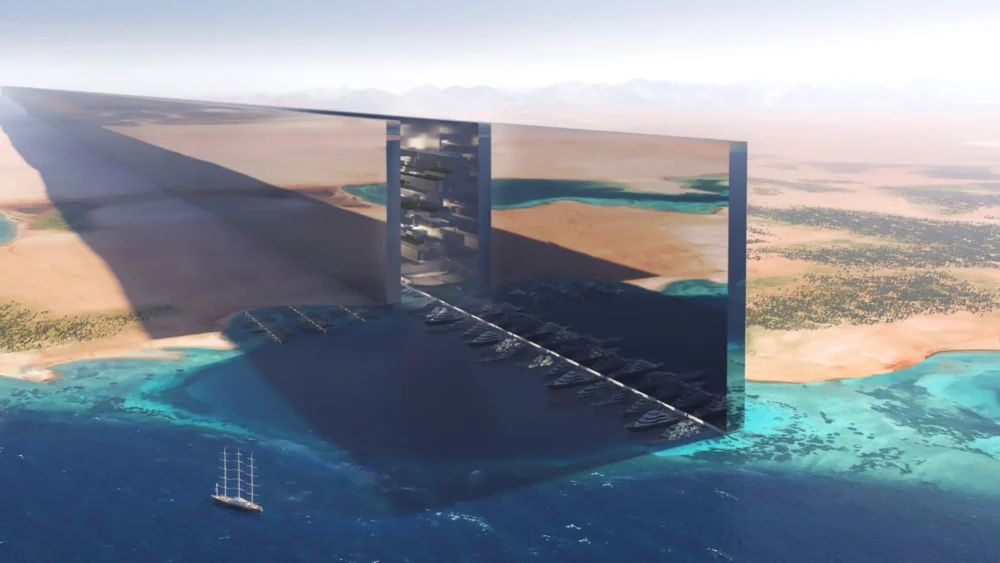
Recent reports indicate a significant recalibration of Saudi Arabia’s flagship Neom megaproject, a visionary undertaking designed to redefine urban living and economic diversification within the Kingdom. The ambitious scope and projected timelines of this transformative development are reportedly being adjusted, reflecting a pragmatic response to shifting global economic currents and the inherent complexities of such monumental undertakings.
The Neom project, conceived as a cornerstone of Saudi Arabia’s Vision 2030, aims to establish a futuristic urban area in the northwest of the country, bordering the Red Sea and the Gulf of Aqaba. Its overarching goal is to create a thriving hub for innovation, technology, and sustainable living, attracting global talent and investment while moving the Kingdom away from its heavy reliance on oil revenues. The initial vision for Neom was characterized by its audacious scale, envisioning multiple distinct regions, including the iconic linear city "The Line," a floating industrial complex "Oxagon," and a mountain resort "Trojena." These components were designed to house millions of residents and foster a new paradigm of urban development.
However, the sheer magnitude of Neom, coupled with the current global economic climate, has prompted a strategic reassessment of its development pace and immediate objectives. Reports suggest a scaling back of immediate targets, particularly concerning the projected population for "The Line" in its initial phases. While the long-term vision for Neom remains intact, the immediate implementation is likely to be more phased and adaptable, allowing for a more organic growth trajectory and greater flexibility in responding to market demands and technological advancements. This adjustment does not signify a abandonment of the project’s core principles but rather a strategic refinement of its execution.
The economic rationale behind this recalibration is multifaceted. Global economic uncertainties, including fluctuating energy prices, inflationary pressures, and geopolitical instability, necessitate a prudent approach to large-scale capital investments. While Saudi Arabia possesses significant financial resources, the efficient allocation of these resources is paramount. A more measured development of Neom allows for a continuous evaluation of its economic viability, market absorption capacity, and the return on investment for each phase. This iterative approach can mitigate risks associated with over-ambitious initial targets and ensure that development aligns with evolving economic realities.
Furthermore, the logistical and infrastructural challenges inherent in constructing a city from the ground up in a desert environment are immense. These include the development of advanced transportation networks, sustainable energy solutions, water management systems, and the creation of a complete ecosystem for a modern metropolis. A scaled-back approach allows for a more focused and manageable execution of these complex tasks, ensuring that each component is robust and sustainable before expanding further. This pragmatic methodology can prevent potential bottlenecks and cost overruns that can plague projects of such unprecedented scale.
The Neom project represents a bold experiment in urban planning and economic diversification. Its success hinges not only on visionary ambition but also on meticulous planning, adaptable execution, and a keen understanding of global market dynamics. The reported adjustments to its development pace are indicative of a mature and strategic approach to realizing this transformative vision.
Background and Visionary Ambitions of Neom
The genesis of Neom can be traced back to Saudi Arabia’s Vision 2030, a sweeping reform agenda launched in 2016 by Crown Prince Mohammed bin Salman. This ambitious plan seeks to diversify the Saudi economy, reduce its dependence on oil, and transform the Kingdom into a global investment powerhouse. Neom, with its projected cost exceeding $500 billion, is positioned as the vanguard of this transformation, a meticulously planned futuristic city designed to be a global nexus for innovation, technology, and advanced industries.
The initial unveiling of Neom painted a picture of unparalleled futurism. "The Line," a revolutionary concept, was envisioned as a 170-kilometer-long, 200-meter-wide, and 500-meter-tall linear city. Its design emphasized a car-free environment, with all essential amenities and services accessible within a five-minute walk. Residents were promised a life free from pollution and traffic congestion, powered by 100% renewable energy, and connected by high-speed transit systems. The project’s proponents highlighted its potential to house nine million residents by 2045, creating a unique urban living experience.
Complementing "The Line" were other ambitious components. "Oxagon," conceived as a sprawling industrial city built on the sea, aimed to be a hub for advanced manufacturing, logistics, and cutting-edge technologies. Its innovative design was intended to minimize environmental impact while maximizing operational efficiency. "Trojena," nestled in the Sarwat Mountains, was envisioned as a year-round mountain resort destination, offering skiing, outdoor adventure, and a unique escape from the desert heat. These diverse elements were intended to create a multifaceted ecosystem, attracting a wide range of industries and residents.
The underlying philosophy of Neom was to build a city from the ground up, unburdened by existing urban constraints. This "clean slate" approach allowed for the integration of the latest technologies and sustainable practices from the outset. The project aimed to attract a global workforce, fostering a multicultural and innovative environment. It was designed to be a testbed for future urban living, showcasing Saudi Arabia’s commitment to technological advancement and environmental stewardship.
Economic Realities and Strategic Adjustments
The decision to scale back immediate targets for Neom is a testament to the pragmatic approach being adopted in the face of evolving global economic conditions. While Saudi Arabia’s sovereign wealth fund, the Public Investment Fund (PIF), is a significant financial backer, the sheer scale of Neom demands careful financial stewardship. Global inflation, rising interest rates, and geopolitical uncertainties have created a more challenging environment for mega-projects.
Initial population projections for "The Line," which aimed for one million residents by 2030, are reportedly being revised downwards. This adjustment allows for a more realistic assessment of market demand, infrastructure readiness, and the pace at which a city of such unprecedented design can be populated and sustained. A phased approach to population growth enables developers to learn and adapt, ensuring that infrastructure development and service provision keep pace with resident influx. This avoids the potential pitfalls of overextending resources and infrastructure prematurely.
The financial implications of such a massive undertaking are substantial. While the PIF has the capacity to fund significant portions of Neom, external investment and private sector participation are crucial for its long-term success. A more measured development plan can enhance the project’s attractiveness to international investors by demonstrating a clear path to profitability and a reduced risk profile. Investors are more likely to commit capital to projects that exhibit adaptability and a clear understanding of market dynamics.
Furthermore, the construction of Neom requires a vast and complex supply chain, as well as a significant workforce. Managing these elements effectively, especially in the current global climate of supply chain disruptions and labor shortages, necessitates a well-paced and strategically managed rollout. A scaled-back initial phase allows for the optimization of these logistical aspects, ensuring that the foundational elements of Neom are built on a solid and efficient operational framework.
Implications for the Future of Neom and Saudi Arabia’s Diversification Efforts
The recalibration of Neom’s development pace does not diminish its significance as a transformative project for Saudi Arabia. Instead, it suggests a maturation of the strategy, prioritizing sustainability and long-term viability over immediate, potentially unsustainable, growth targets. This approach allows for a more robust and resilient development of the megaproject.
For Saudi Arabia’s broader economic diversification agenda, Neom remains a critical component. Its success, even if at a more measured pace, will signal the Kingdom’s capacity to execute large-scale, future-oriented projects. The lessons learned from Neom’s development will undoubtedly inform future endeavors, fostering a culture of innovation and strategic planning across various sectors.
The focus on adaptability means that Neom can more effectively respond to emerging technologies and shifting global trends. As new innovations in urban planning, sustainable energy, and artificial intelligence emerge, Neom can integrate them into its development, ensuring it remains at the forefront of futuristic urban living. This flexibility is crucial in a rapidly evolving technological landscape.
Moreover, a phased approach to Neom’s development can foster organic growth and community building. By allowing populations to grow in alignment with the development of services and amenities, the project can create a more cohesive and livable environment for its future residents. This human-centric approach, even within a technologically advanced framework, is essential for long-term success.
The strategic adjustments to Neom signal a sophisticated understanding of the complexities involved in realizing such an ambitious vision. By embracing a more adaptable and phased development model, Saudi Arabia is positioning Neom for sustained success, ensuring it remains a beacon of innovation and a critical driver of the Kingdom’s economic future. The project’s evolution underscores a commitment to not just grand ambition, but also to intelligent and resilient execution.



 Aura Kasih
 Safa Marwah
 Lisa Mariana


 Ayu Aulia