Lisa Mariana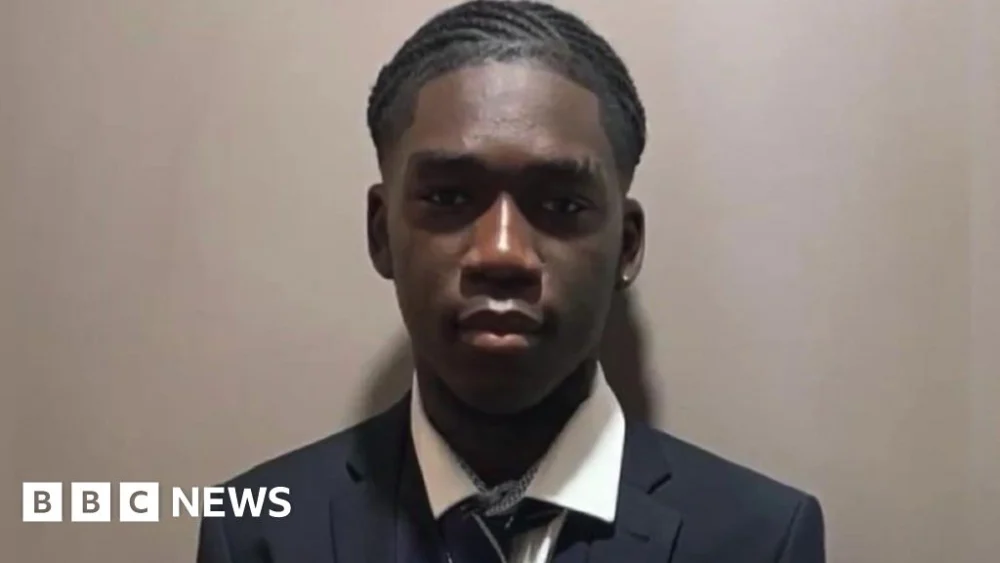
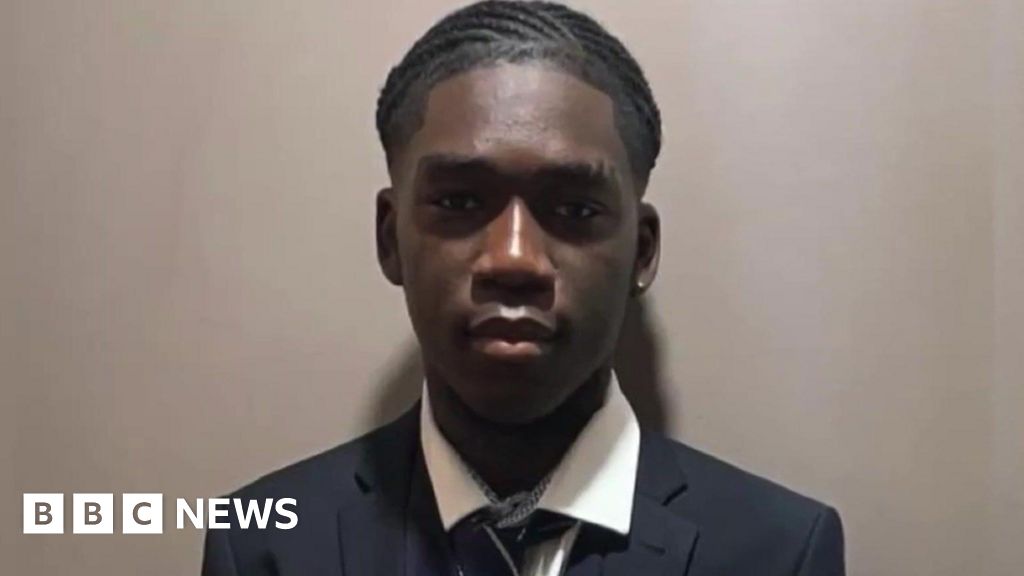
A harrowing sequence of events, spanning international legal complexities and culminating in a fatal domestic car crash, has seen a young man admit culpability for the death of a teenager who had recently been pardoned from a Dubai prison. Marwaan Mohamed Huseen, aged 20, has pleaded guilty to causing the demise of Marcus Fakana, an 18-year-old passenger, during a high-speed police chase in North London last autumn, an incident that tragically cut short Fakana’s return to normalcy after a year of incarceration abroad.
The tragic incident unfolded in the pre-dawn hours of October 3rd, when a BMW, driven by Huseen, became embroiled in a pursuit with Metropolitan Police officers through the streets of Tottenham. The high-stakes chase reached its devastating conclusion when the vehicle collided with a stationary lorry, resulting in the immediate fatality of Marcus Fakana and inflicting severe injuries upon a second passenger. Huseen’s admission at Wood Green Crown Court, delivered via video link from HMP Pentonville, acknowledged not only causing death by dangerous driving but also serious injury to another occupant, alongside charges of operating the vehicle without a license or insurance. This plea draws a definitive legal line under a deeply unfortunate chapter, yet leaves a family grappling with an unimaginable double tragedy.
The Fatal Pursuit and Its Aftermath
The circumstances leading to the collision paint a grim picture of urban policing and the perils of evasion. While the precise reasons for the initial police interest in Huseen’s vehicle have not been fully disclosed in this context, police pursuits are inherently fraught with risk, balanced against the imperative to apprehend individuals suspected of criminal activity. Metropolitan Police policy dictates that pursuits are only authorized when the risk posed by allowing a suspect to escape outweighs the danger of the pursuit itself. However, even under strict guidelines, the dynamic and unpredictable nature of high-speed chases, particularly in residential or built-up areas like Tottenham, can lead to catastrophic outcomes.
In this instance, the pursuit culminated in a violent impact with a heavy goods vehicle, underscoring the destructive potential when high speeds meet immovable obstacles. Emergency services, including paramedics and fire crews, swiftly attended the scene, a testament to the severity of the crash. Despite their immediate efforts, Marcus Fakana was pronounced dead at the location, a life extinguished far too soon and under profoundly tragic circumstances. The other injured passenger received critical medical attention, their recovery journey undoubtedly long and arduous, bearing the physical and psychological scars of that night. Huseen’s subsequent arrest and the formal charges levied against him initiated a judicial process that has now reached a critical juncture with his guilty plea, moving towards the eventual determination of his sentence.
Marcus Fakana’s Unprecedented Ordeal in Dubai
The poignancy of Marcus Fakana’s death is amplified by the extraordinary sequence of events that preceded it. Just three months prior to the Tottenham crash, Fakana had been released from a detention facility in Dubai, United Arab Emirates, following a year-long imprisonment. His incarceration stemmed from a holiday romance in the summer of 2024, when, at the age of 18, he engaged in a sexual relationship with a 17-year-old girl, also from London. This seemingly innocuous liaison, viewed through the lens of Western cultural norms, collided head-on with the stringent legal framework of the UAE.
The UAE operates under a legal system heavily influenced by Sharia law, where sexual relations outside of marriage are strictly prohibited and can carry severe penalties, including imprisonment and deportation, regardless of consent if the parties are unmarried. Furthermore, age of consent laws can differ significantly from those in European jurisdictions, adding another layer of complexity. For foreign nationals, navigating such a system without prior knowledge or adequate legal representation can be a terrifying and disorienting experience. Fakana’s case became a stark illustration of the potential pitfalls for tourists unaware of the profound cultural and legal disparities. The family’s initial distress, the shock of their son’s arrest and detention, and the subsequent year-long battle for his freedom would have undoubtedly exerted immense emotional and financial strain.
The breakthrough in Fakana’s case came in the form of a royal pardon issued by Sheikh Mohammed bin Rashid Al Maktoum, the ruler of Dubai and Vice President and Prime Minister of the UAE. Royal pardons in the UAE are discretionary acts of clemency, often granted on humanitarian grounds, during religious holidays, or in cases that attract international attention, sometimes serving to foster diplomatic goodwill. Such pardons represent a significant intervention, overriding judicial sentences and offering a path to freedom that might otherwise be unavailable. For Fakana and his family, it signified an end to a year of profound uncertainty and hardship, offering a glimmer of hope for a fresh start back in London. His return was surely met with immense relief, a hard-won freedom after enduring the harsh realities of a foreign penal system.
Legal Ramifications for Marwaan Mohamed Huseen
Marwaan Mohamed Huseen’s admission of guilt to causing death by dangerous driving is a serious criminal offense under UK law, carrying a maximum sentence of life imprisonment. This charge reflects a high degree of culpability, where the standard of driving falls far below what would be expected of a competent and careful driver, and it is obvious to a competent and careful driver that driving in that way would be dangerous. The specific context of a police pursuit, coupled with the driver’s unlicensed and uninsured status, are significant aggravating factors that will weigh heavily in the sentencing process.
The additional charge of causing serious injury by dangerous driving pertains to the other passenger in the BMW, acknowledging the severe physical harm inflicted due to Huseen’s actions. Operating a vehicle without a valid license demonstrates a fundamental disregard for the regulations designed to ensure road safety and driver competency. Similarly, driving without insurance not only places other road users at financial risk but also signifies a deliberate contravention of legal requirements. These ancillary offenses reinforce the impression of a driver operating outside the bounds of established legal and safety norms.
Sentencing for such offenses involves a complex assessment by the court, considering guidelines set by the Sentencing Council. Factors influencing the final sentence will include the level of harm caused, the degree of culpability (which is high in this case due to multiple aggravating factors), any previous convictions, and the impact statement from the victim’s family. While a guilty plea typically results in a reduction of the sentence, the gravity of the offenses committed by Huseen suggests that a substantial custodial sentence is highly probable. The court’s decision will seek to balance punishment, deterrence, and rehabilitation, while also acknowledging the profound loss experienced by Fakana’s loved ones.
Broader Implications: Police Pursuits and International Legal Disparities
This tragic narrative extends beyond the immediate parties involved, touching upon critical societal and legal considerations. The issue of police pursuits remains a contentious one, often sparking public debate about the balance between enforcing the law and ensuring public safety. While police forces are equipped and trained to conduct pursuits, the inherent risks to suspects, officers, and innocent bystanders are undeniable. Ongoing reviews and policy updates by law enforcement agencies continuously strive to refine the criteria for initiating and continuing pursuits, emphasizing risk assessment and the use of alternative apprehension techniques where feasible. Fakana’s death serves as a stark reminder of the potential for unintended and devastating consequences when these situations unfold.
Furthermore, Marcus Fakana’s earlier ordeal in Dubai highlights the crucial, yet often overlooked, aspect of international legal disparities. For global citizens, particularly those traveling for leisure or business, a lack of awareness regarding local laws and cultural norms in foreign jurisdictions can lead to severe and unforeseen repercussions. What might be considered acceptable or minor conduct in one’s home country could constitute a serious offense elsewhere, with vastly different legal processes and penalties. This case underscores the importance of pre-travel research, diplomatic assistance for citizens abroad, and the complexities involved when individuals from diverse legal backgrounds interact. The ability of a royal pardon to intervene in such a case also speaks to the specific nature of certain sovereign legal systems, where executive clemency can play a decisive role.
The intersection of these two distinct legal and social tragedies – the rigid application of foreign law and the dangerous consequences of domestic criminal behavior – creates a narrative of profound misfortune. Marcus Fakana’s story, from his harrowing imprisonment in a foreign land to his premature death on the streets of his hometown, encapsulates a sequence of events marked by legal intricacies, human vulnerability, and the devastating impact of reckless actions.
Conclusion and Future Outlook
As Marwaan Mohamed Huseen awaits his sentencing, the legal system will bring a measure of finality to this particular case. However, for the Fakana family, the emotional toll of losing their son, first to a foreign prison and then to a fatal road incident, will undoubtedly endure. Their journey from desperate advocacy for his release in Dubai to mourning his untimely death in London represents an unparalleled saga of grief and resilience.
The case stands as a powerful, albeit tragic, reminder of several critical aspects: the paramount importance of responsible driving and adherence to road safety laws, the inherent dangers associated with police pursuits, and the significant risks individuals face when navigating vastly different legal systems abroad. While justice will be served in the UK court for the actions of Marwaan Mohamed Huseen, the broader narrative of Marcus Fakana’s life and death will resonate as a cautionary tale, prompting reflection on individual responsibility, systemic challenges, and the unpredictable, often cruel, twists of fate.




 Aura Kasih
 Safa Marwah
 Ayu Aulia