 Aura Kasih
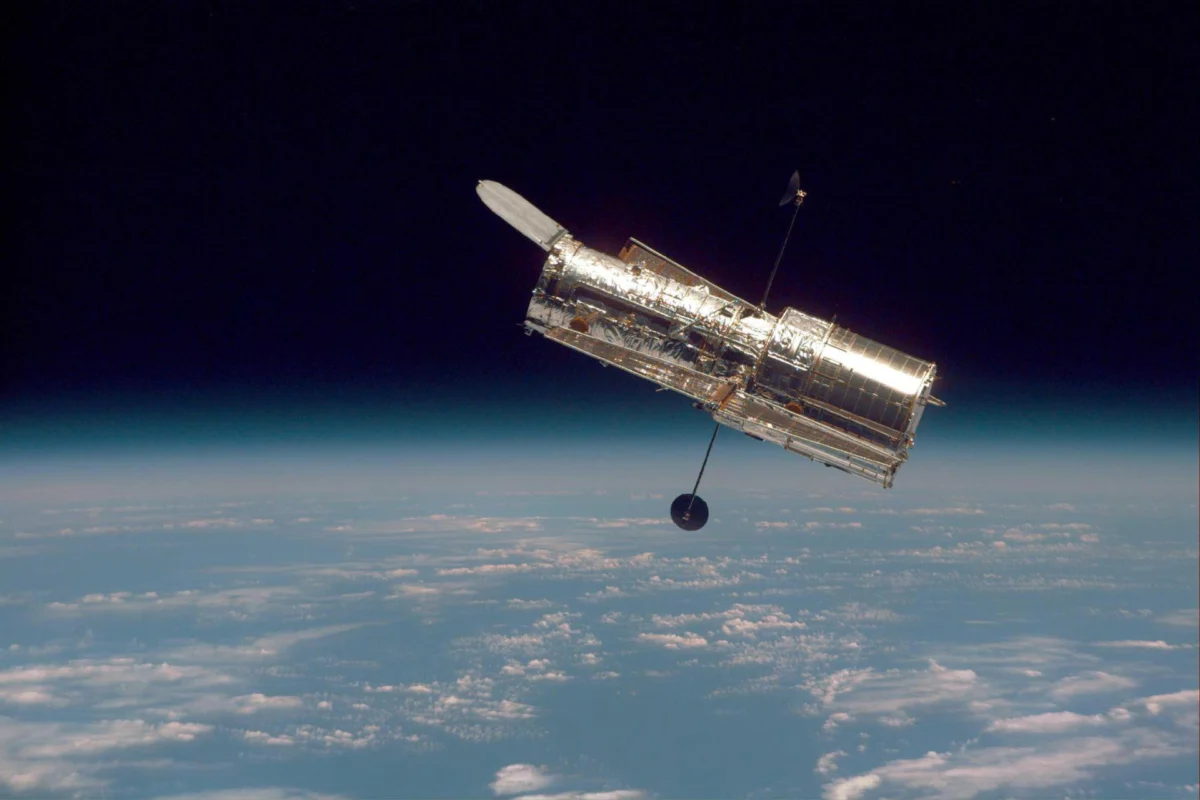
NASA is actively exploring partnerships with the burgeoning commercial space industry to engineer a critical orbital boost for the Hubble Space Telescope, aiming to extend its operational lifespan beyond its projected demise in the 2030s. This initiative signifies a potential paradigm shift in space exploration, where private enterprise could play a pivotal role in maintaining vital scientific assets in orbit.
For over three decades, the Hubble Space Telescope has served as humanity’s premier eye in the cosmos, revolutionizing our understanding of the universe. Its unparalleled images have unveiled distant galaxies, charted the expansion of the universe, and provided definitive evidence for dark energy and dark matter. However, like all spacecraft operating in low Earth orbit, Hubble is subject to the relentless pull of gravity. Without periodic orbital replenishment, atmospheric drag gradually lowers its altitude, leading to an inevitable fiery reentry into Earth’s atmosphere. While this descent is not imminent, projections indicate that Hubble will begin to deorbit sometime in the mid-2030s, marking the end of an era for this monumental scientific instrument.
Recognizing the immense scientific value that Hubble continues to provide, NASA has initiated a formal process to solicit proposals from commercial entities capable of performing an orbital maintenance mission. This move underscores a strategic pivot for the agency, acknowledging the growing capabilities and potential cost-effectiveness of the private space sector in undertaking complex orbital operations. The Request for Information (RFI) released by NASA is a crucial step in assessing the feasibility and viability of such a collaborative endeavor. It signals NASA’s openness to innovative solutions that could preserve a cornerstone of astronomical research.
The impetus behind this outreach stems from a recognition that Hubble’s scientific contributions are far from over. The telescope continues to capture groundbreaking data, offering insights that complement and inform observations from newer, more powerful instruments like the James Webb Space Telescope. Extending Hubble’s mission would allow for continued synergistic research, enabling astronomers to build upon decades of accumulated knowledge and pursue new lines of inquiry. The potential for further discoveries, from exoplanet atmospheres to the formation of early galaxies, makes the preservation of Hubble a compelling scientific imperative.
This proposed collaboration is not without precedent, though it represents a significant scaling up of private involvement in servicing an established, government-owned scientific platform. Previous Space Shuttle missions successfully serviced and upgraded Hubble, demonstrating the technical feasibility of orbital maintenance. However, the retirement of the Space Shuttle program left a void in this capability. The emergence of private companies with robust launch capabilities and experience in orbital rendezvous and servicing now presents NASA with a new avenue to pursue this crucial objective. The RFI seeks to identify companies that possess the necessary technical expertise, infrastructure, and innovative approaches to safely and effectively reboost Hubble’s orbit.

The implications of a successful commercial servicing mission for Hubble extend far beyond the telescope itself. It could pave the way for a more sustainable and cost-effective approach to space asset management in the future. As the number of satellites and orbital debris continues to grow, the need for orbital servicing, repair, and refueling capabilities becomes increasingly critical. A successful Hubble mission could serve as a powerful demonstration of concept, validating the commercial sector’s ability to undertake these complex tasks, potentially leading to a more robust and dynamic orbital ecosystem.
Furthermore, this initiative aligns with NASA’s broader strategy of fostering a vibrant commercial space economy. By engaging private companies in high-profile, scientifically significant projects, NASA can help drive innovation, create new markets, and reduce the cost of space access and operations. The economic benefits could be substantial, spurring job creation and technological advancements within the aerospace sector.
The technical challenges associated with reboosting Hubble are considerable. The telescope is in a unique orbit, and any servicing mission would require precise maneuvering and docking capabilities. The chosen commercial partner would need to demonstrate a proven track record in robotic servicing, or alternatively, develop human-rated capabilities for such a delicate operation. Safety will be paramount, ensuring that the servicing mission does not inadvertently compromise Hubble’s integrity or pose a risk to other orbital assets. The RFI likely outlines stringent requirements regarding mission design, risk mitigation, and operational protocols.
Beyond the technical and economic considerations, there is a profound symbolic significance to this endeavor. Hubble has become an icon of human curiosity and scientific achievement. Its continued operation, facilitated by a blend of government foresight and commercial ingenuity, would represent a triumph of human endeavor and a testament to our enduring quest to understand our place in the universe. It would demonstrate a commitment to long-term scientific investment and a willingness to adapt to evolving technological landscapes.
The timeline for such a mission is inherently constrained. Given the projected deorbit timeline, any successful servicing mission would need to be planned, developed, and executed within the next decade. This compressed timeframe places a premium on efficient proposal evaluation and rapid development cycles. NASA’s decision to issue an RFI now indicates a proactive approach to address this challenge well in advance of any immediate threat.
The scientific community is understandably eager to see Hubble continue its invaluable work. Astronomers have relied on its unique capabilities for decades, and its loss would leave a significant gap in observational astronomy. The prospect of extending its mission through commercial partnerships offers a ray of hope, ensuring that this extraordinary observatory can continue to inspire awe and drive discovery for years to come. The success of this initiative could set a precedent for future collaborations, ushering in a new era where public and private sectors work hand-in-hand to push the boundaries of human knowledge and exploration. The coming months will be critical as NASA evaluates the proposals and determines the path forward for safeguarding one of humanity’s most cherished scientific instruments.




 Lisa Mariana

 Safa Marwah
