Lisa Mariana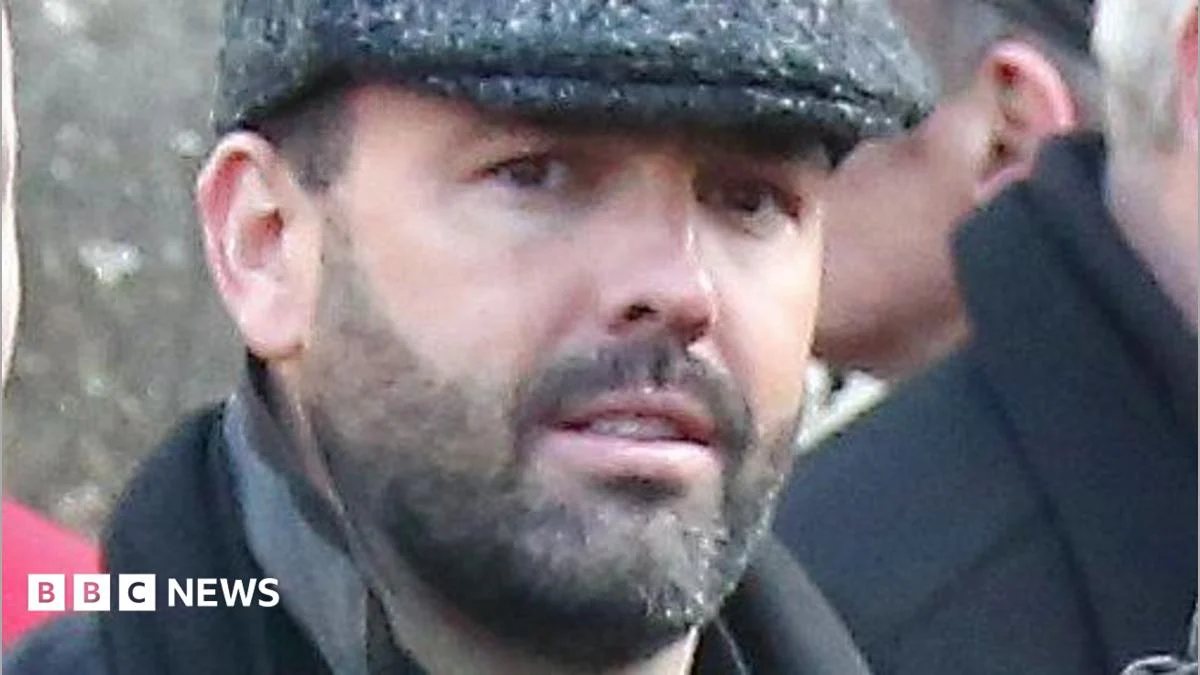
Daniel Kinahan, identified by international law enforcement agencies as a central figure in a global criminal enterprise, is currently en route to Dublin following his successful extradition from the United Arab Emirates. His return marks a pivotal moment in Ireland’s protracted battle against sophisticated organised crime, culminating in a high-stakes transfer expected to trigger immediate legal proceedings under stringent security protocols. This complex operation underscores the intensifying international cooperation aimed at dismantling transnational criminal networks.
The journey commenced as the Irish government’s executive jet departed from Dubai, carrying the 49-year-old individual whose alleged activities have long been at the forefront of international investigations. His apprehension in the UAE in April initiated a protracted legal process, culminating in the order for his surrender to Irish jurisdiction. Upon arrival in Dublin, Kinahan is slated for an immediate formal charge of directing a criminal organisation, an accusation that carries significant legal ramifications and reflects the gravity of the allegations against him. Following this formal charging, he is scheduled to appear before the non-jury, three-judge Special Criminal Court, an institution reserved for cases of exceptional national security or organised crime. This judicial pathway highlights the extraordinary nature of the case and the state’s determination to address alleged threats to its criminal justice system.
The logistical and security planning surrounding this extradition is of an unprecedented scale. Anticipating the high-risk profile of the individual involved and the potential for disruption, Irish authorities have implemented a comprehensive security apparatus. This includes the acquisition by the Irish Prison Service of a specialised vehicle, designed with advanced bulletproof and bombproof capabilities, specifically for the secure transportation of high-value or high-risk detainees. Such measures reflect a proactive assessment of potential threats and a commitment to ensuring the integrity of the transfer and subsequent judicial process. Flight tracking data indicated the aircraft’s departure from Dubai in the early afternoon local time, with an anticipated evening landing in Dublin, under a cloak of heightened operational secrecy.
The legal proceedings Kinahan faces in Ireland are expected to focus intensely on his alleged leadership role within an organised crime group. However, the scope of concern extends far beyond Irish borders. The United States Treasury Department previously characterised the Kinahan cartel as among the most dangerous criminal organisations globally, a designation that underscores its formidable international reach and the severity of its illicit activities. In April 2022, the US government imposed sweeping sanctions on Kinahan and several family members, explicitly identifying them as principal figures within the cartel. These sanctions, typically reserved for terrorist organisations or rogue state actors, entail significant financial and travel restrictions, effectively isolating the targeted individuals from global financial systems and legitimate commerce.
Kinahan’s legal team had mounted a vigorous challenge against the extradition order in recent months, seeking to prevent his return to Ireland. These appeals, however, proved unsuccessful, clearing the path for his forced repatriation. This legal battle unfolded against a backdrop of intense scrutiny, with the Irish courts having issued an arrest warrant in April, precipitating his detention in the UAE. His departure from Ireland years prior followed a period of escalating gangland conflict, during which the Kinahan cartel was embroiled in a brutal feud that claimed at least 18 lives across various jurisdictions. This period of extreme violence included a direct attempt on Kinahan’s life during a high-profile shooting incident at a Dublin hotel in 2016, a stark illustration of the perilous environment in which such criminal enterprises operate. Subsequent to these events, Kinahan resided for periods in Spain before relocating to Dubai, areas often perceived as potential havens for individuals seeking to evade law enforcement in their native countries.
The National Crime Agency (NCA) in the United Kingdom has previously detailed the extensive criminal portfolio of the group, asserting its responsibility over two decades for the trafficking of substantial quantities of illicit drugs and firearms across international boundaries. The NCA has further linked the cartel to over a dozen gangland murders, highlighting the extreme violence intrinsic to its operations. The financial scale of the enterprise is staggering; former Gardaí Commissioner Drew Harris estimated the gang’s global proceeds from its illicit activities to exceed €1 billion. This immense wealth is a testament to the sophistication of its money laundering operations and its ability to penetrate diverse economies. The US Treasury Department’s comparison of the Kinahan organisation to infamous syndicates such as Italy’s Camorra, Mexico’s Los Zetas, and Japan’s Yakuza, serves to contextualise its operational model, ruthlessness, and global footprint within the pantheon of major transnational criminal entities.
Further underscoring the international focus on dismantling this network, the US government has offered a reward of up to $5 million for information leading to the conviction of the three most senior Kinahan gang members: Daniel Kinahan, his father Christopher Snr (65), and his brother Christopher Jnr. This substantial bounty reflects the strategic importance placed on disrupting the cartel’s leadership structure. Recent successes in prosecuting key figures linked to the cartel include the 2022 conviction of Thomas Kavanagh, whom the NCA identified as orchestrating the group’s criminal operations within the United Kingdom. Kavanagh received a 21-year prison sentence, alongside associates Gary Vickery and Daniel Canning, who were sentenced to 20 years and 19-and-a-half years respectively. Evidence presented in those trials revealed their involvement in cocaine imports valued at an estimated £23.4 million and cannabis imports worth approximately £6.4 million, providing a concrete illustration of the cartel’s operational scale and financial impact.
The extradition from Dubai represents a significant triumph for international law enforcement collaboration, particularly in addressing the challenge of targeting high-profile fugitives who seek refuge in jurisdictions perceived as less cooperative. For years, Dubai had been viewed by some as a sanctuary for individuals fleeing justice in their home countries. This successful extradition could set a crucial precedent, signaling a shift in global enforcement dynamics and demonstrating that no territory is an impenetrable refuge for those facing serious criminal allegations. The political and diplomatic effort required to facilitate such a transfer cannot be understated, involving intricate negotiations and legal cooperation between sovereign states.
Looking ahead, the legal battle in Ireland promises to be complex and protracted. Prosecuting a case of this magnitude, involving a transnational criminal organisation, requires extensive intelligence gathering, cross-border evidence sharing, and the meticulous presentation of complex financial and operational data. The use of the Special Criminal Court, while designed to handle such cases, also means the proceedings will unfold under exceptional legal conditions. The defence, as previously articulated by Kinahan’s legal counsel, maintains that he has no criminal record or convictions, asserting that allegations of him being a crime boss are unfounded and lack evidential basis. This stance indicates that the legal proceedings are likely to be vigorously contested, focusing on the veracity and admissibility of the evidence presented by the prosecution.
Beyond the immediate legal implications, Kinahan’s return carries immense symbolic weight for Irish society. It represents a tangible demonstration of the state’s capacity to pursue justice against powerful criminal organisations, potentially restoring public confidence in the rule of law. However, the operational challenges persist; dismantling a sophisticated criminal enterprise like the Kinahan cartel involves more than just prosecuting its alleged leader. It requires the continued disruption of its financial networks, the interdiction of its supply chains, and the apprehension of its remaining key operatives across multiple jurisdictions. This extradition, while a monumental step, marks a new phase in the ongoing, global struggle against organised crime, underscoring the enduring commitment of international agencies to pursue those who seek to profit from illicit activities at the expense of public safety and national security.



 Aura Kasih
 Safa Marwah
 Ayu Aulia