Lisa Mariana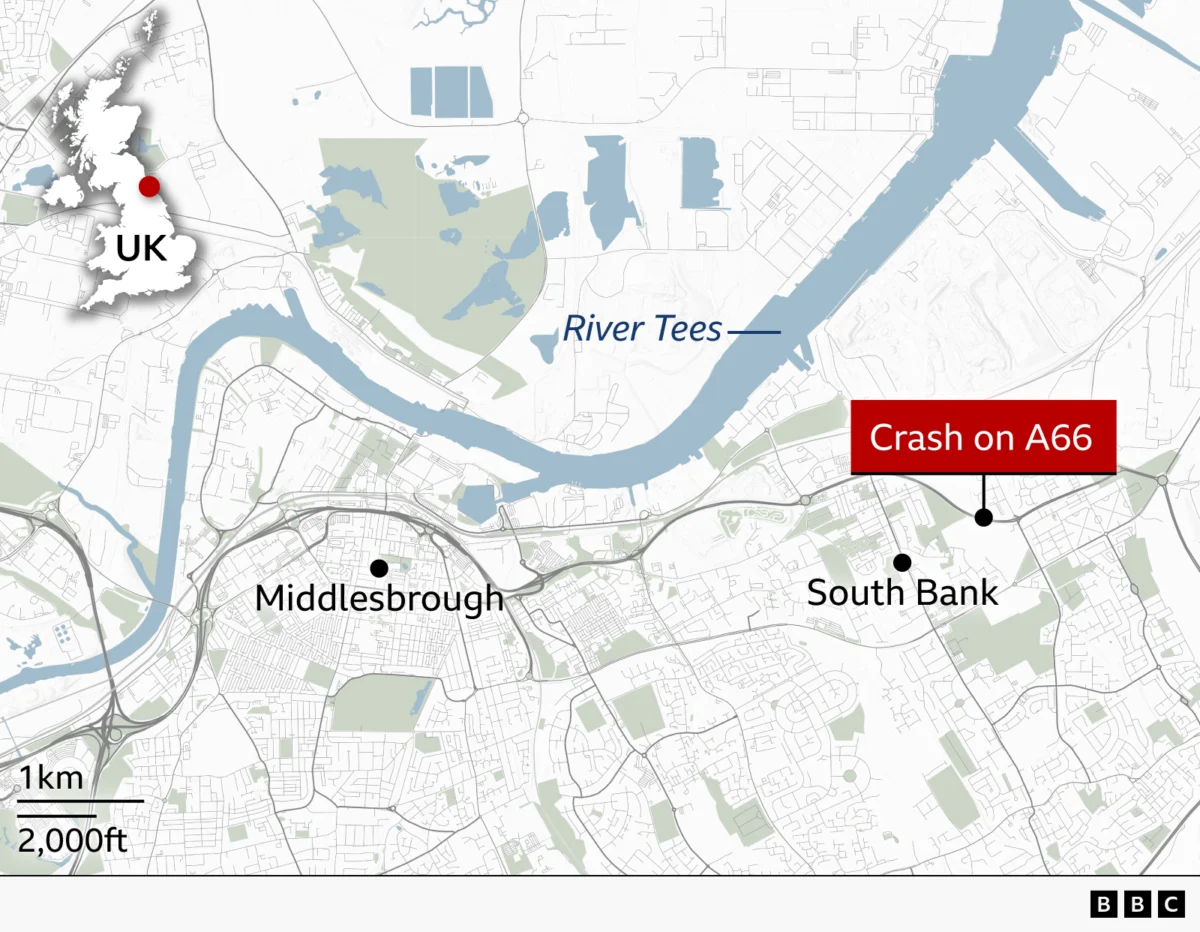
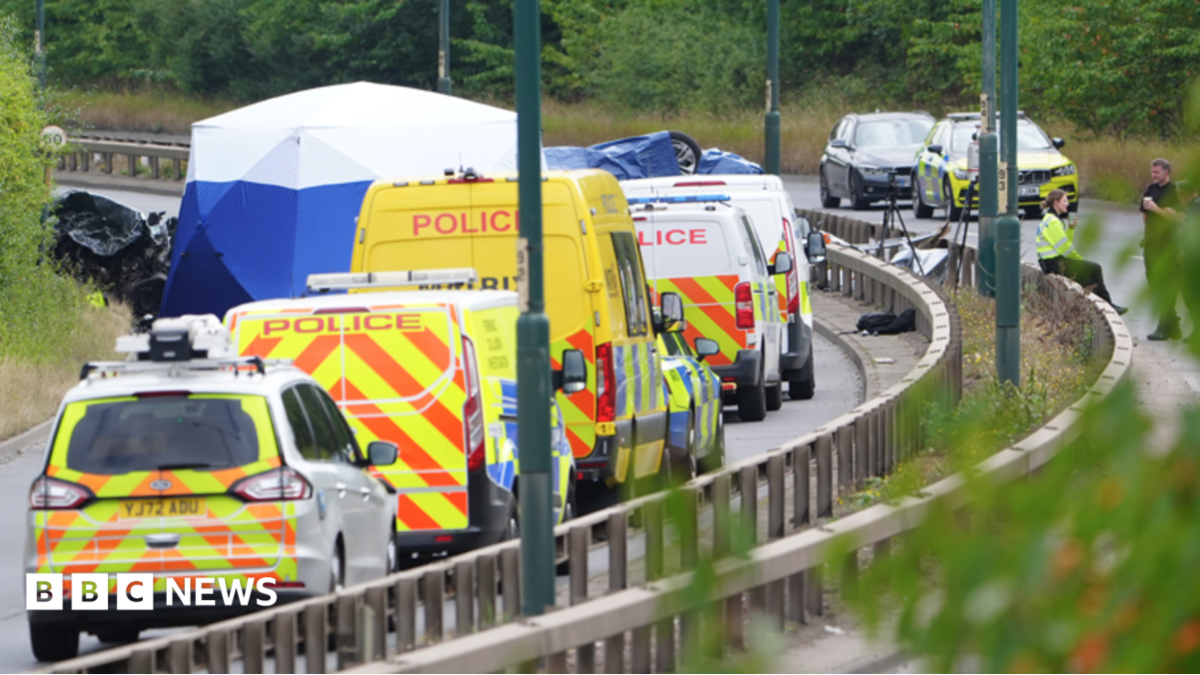
A horrific early morning traffic incident on a critical Teesside thoroughfare has resulted in the immediate fatalities of seven individuals, among them two dedicated police constables, initiating a comprehensive, high-level investigation into the precise circumstances surrounding the devastating head-on crash. The collision, which occurred on the A66 near Middlesbrough around 03:39 BST, involved a vehicle reportedly traveling against the flow of traffic colliding with a marked police patrol unit, sending shockwaves through the local community and the national policing establishment.
The tragic event unfolded when a Volkswagen Passat, occupied by five individuals believed to be in their late teens, collided with an oncoming Cleveland Police armed response vehicle in the South Bank vicinity. All occupants of both vehicles were pronounced deceased at the scene, marking one of the most severe road traffic incidents in recent memory for the region. The two officers who lost their lives in the line of duty have been identified as PC Matthew Blades, 37, and PC Tom Clough, 38. Their deaths have cast a profound pall over the Cleveland Police force, which is grappling with the immediate and long-term implications of such an immense loss.
Chief Constable Victoria Fuller articulated the profound grief and solemnity felt across the force, stating unequivocally that the officers were "brave officers protecting our communities" and that their sacrifice was a stark reminder of the inherent dangers faced by law enforcement personnel daily. "No one should leave their home and not return safely," Fuller remarked, emphasizing the devastating impact on the officers’ families and the wider policing family. She confirmed that she, alongside her deputy chief constable, had extended personal condolences and offered specialized support to the bereaved families, acknowledging the "unimaginable loss" they were enduring. The identities of the five occupants of the Volkswagen Passat have also been confirmed, and their families are receiving similar support services.
Initial reports suggest a complex sequence of events preceding the fatal impact. It is understood that a police pursuit of the Volkswagen Passat had been initiated earlier but was subsequently called off. However, the police vehicle, a marked armed response unit, happened to be in the South Bank area and was traveling on the correct side of the dual carriageway when it encountered the wrong-way vehicle. Security camera footage retrieved from a residential property on Lime Road in Middlesbrough reportedly depicts a car being pursued by police units approximately three minutes before the catastrophic collision, adding a critical dimension to the ongoing investigation. This sequence of events immediately triggered the involvement of the Independent Office for Police Conduct (IOPC), the independent body responsible for overseeing police conduct in England and Wales.
The IOPC swiftly confirmed the commencement of its independent investigation, a standard protocol when police involvement precedes or occurs during incidents resulting in death or serious injury. The watchdog stated that its early understanding was that Cleveland Police had "sighted a suspicious vehicle and a pursuit began," indicating a focus on the decisions and actions taken by police officers in the moments leading up to the crash. This inquiry will meticulously examine all available evidence, including police radio transmissions, dashcam footage, witness statements, and forensic analysis of the crash site, to establish the full chronology of events and determine if all relevant policies and procedures were adhered to. The findings of such investigations are crucial for accountability, transparency, and the potential for refining police operational guidelines.
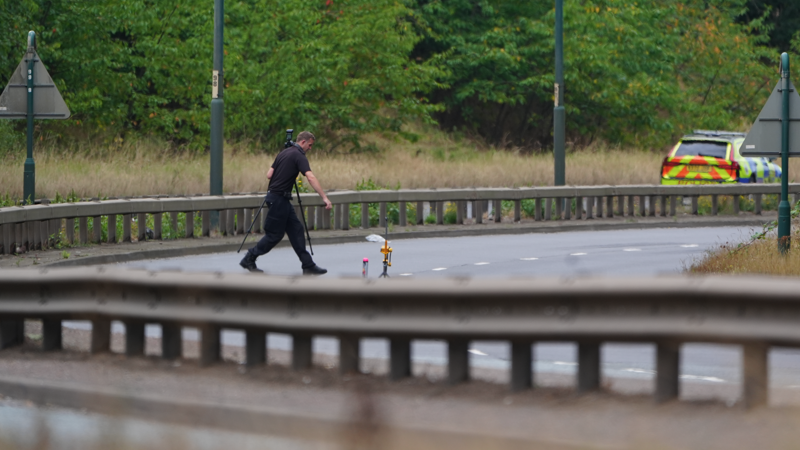
The A66, a major arterial route traversing Teesside, is a critical transportation corridor connecting various industrial and residential areas. The collision occurred in a section of the road surrounded by industrial units and factories, a location that typically experiences significant traffic flow. The immediate aftermath necessitated the closure of the A66 in both directions between Normanby Road and Church Lane, a closure that extended for the remainder of the day to facilitate forensic examination and recovery operations. This prolonged closure caused substantial disruption to local transport networks and economic activities, underscoring the severity and widespread impact of the incident. Emergency services, including the North East Ambulance Service, mounted a large-scale response, deploying 14 ambulance resources to the scene. Their efforts, though ultimately unable to prevent the tragic loss of life, were commended for their rapid and coordinated deployment under immensely challenging conditions.
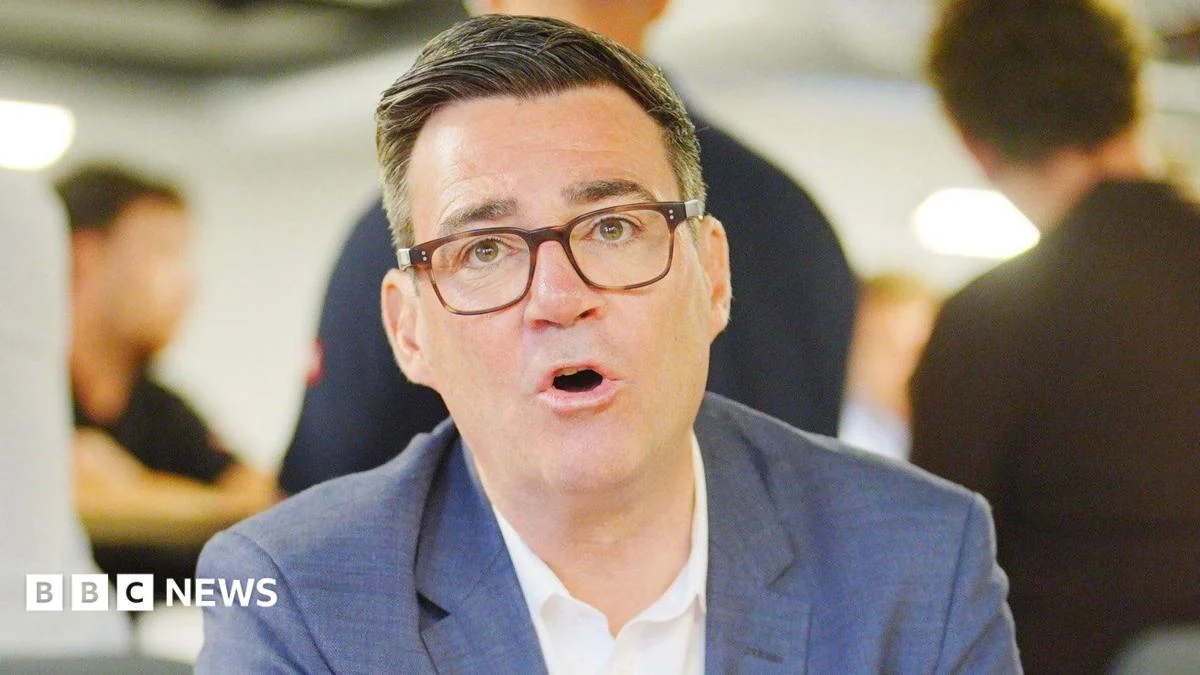
The incident has resonated deeply across political and societal spheres, eliciting a wave of condolences and expressions of solidarity. Prime Minister Andy Burnham conveyed his profound devastation, acknowledging the "incredibly difficult circumstances" faced by emergency responders. Home Secretary Shabana Mahmood underscored the inherent risks undertaken by police officers, stating, "Police officers put their own safety on the line to protect their communities every single day." She pledged the government’s full support to Cleveland Police during this arduous period. Matt Storey, Cleveland’s police and crime commissioner, described the event as an "unimaginable loss," echoing the sentiment that words struggled to offer comfort to those affected. Anna Turley, the Member of Parliament for the local Redcar constituency, also expressed her deep sadness and gratitude to the emergency services.
The emotional toll on the policing community is particularly acute. Lauren Somerville, chairwoman of the Cleveland Police Federation, articulated the "unfathomable" pain felt by the "Cleveland Police family," emphasizing the collective grief and solidarity within the force. Shadow Home Secretary Chris Philp extended his condolences and urged that the IOPC be afforded "the time and space to complete their investigations without speculation," highlighting the importance of an impartial and thorough inquiry. Ben Houchen, Mayor of Tees Valley, characterized the incident as "horrible and tragic," paying tribute to police officers as "heroes" who embody selfless service.
Beyond the immediate human tragedy, this incident prompts broader reflections on road safety, driver behavior, and police operational strategies. Wrong-way driving, while statistically rare, is disproportionately fatal due to the high-impact nature of head-on collisions at speed. Factors contributing to such incidents can include driver impairment (alcohol, drugs, fatigue), disorientation, inadequate road signage, or deliberate acts. The A66, like many major dual carriageways, relies on clear signage and driver vigilance to prevent such occurrences. The ongoing IOPC investigation will undoubtedly delve into these elements, potentially leading to recommendations for infrastructural improvements, enhanced signage, or public awareness campaigns designed to mitigate the risks of wrong-way driving.
The psychological impact on first responders, particularly those who attended the scene, cannot be overstated. Witnessing such devastation can lead to significant trauma, and robust support mechanisms will be essential for the welfare of the officers and emergency personnel involved. Furthermore, the incident will inevitably prompt an internal review within Cleveland Police regarding pursuit policies, risk assessment protocols, and the deployment of armed response vehicles. While the decision to terminate a pursuit is often made to prioritize public safety, the complexities of managing such situations remain a constant challenge for law enforcement agencies.
As the community mourns and the investigations unfold, the focus remains on understanding the full scope of this tragedy and ensuring that lessons are learned to prevent future occurrences. The deaths of PC Matthew Blades and PC Tom Clough, alongside the five young individuals in the other vehicle, serve as a somber reminder of the fragility of life and the profound sacrifices made by those who dedicate themselves to public service. The comprehensive findings of the IOPC investigation will be critical in providing clarity, accountability, and a pathway toward enhancing safety for both the public and those sworn to protect it.


 Aura Kasih
 Safa Marwah