Ridwan Kamil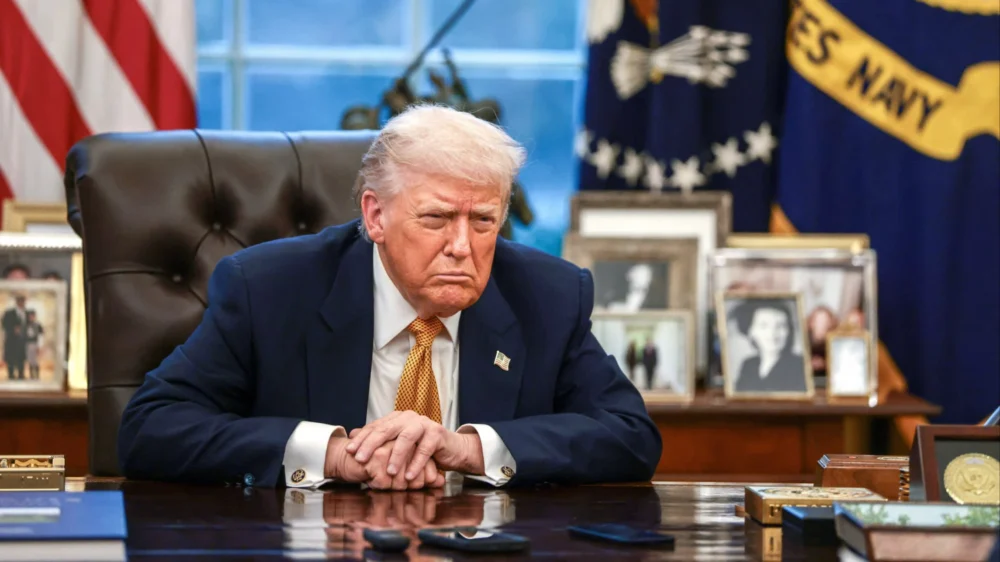
Governments across the Arab world are increasingly signaling a belief that the acute phase of heightened tensions between the United States and Iran has begun to de-escalate, with cautious optimism emerging from behind-the-scenes diplomatic overtures and a perceived reduction in overt confrontational rhetoric. This shift in regional perception is being closely monitored, as any recalibration of the US-Iran dynamic carries profound implications for security, economic stability, and the delicate geopolitical balance of the Middle East.
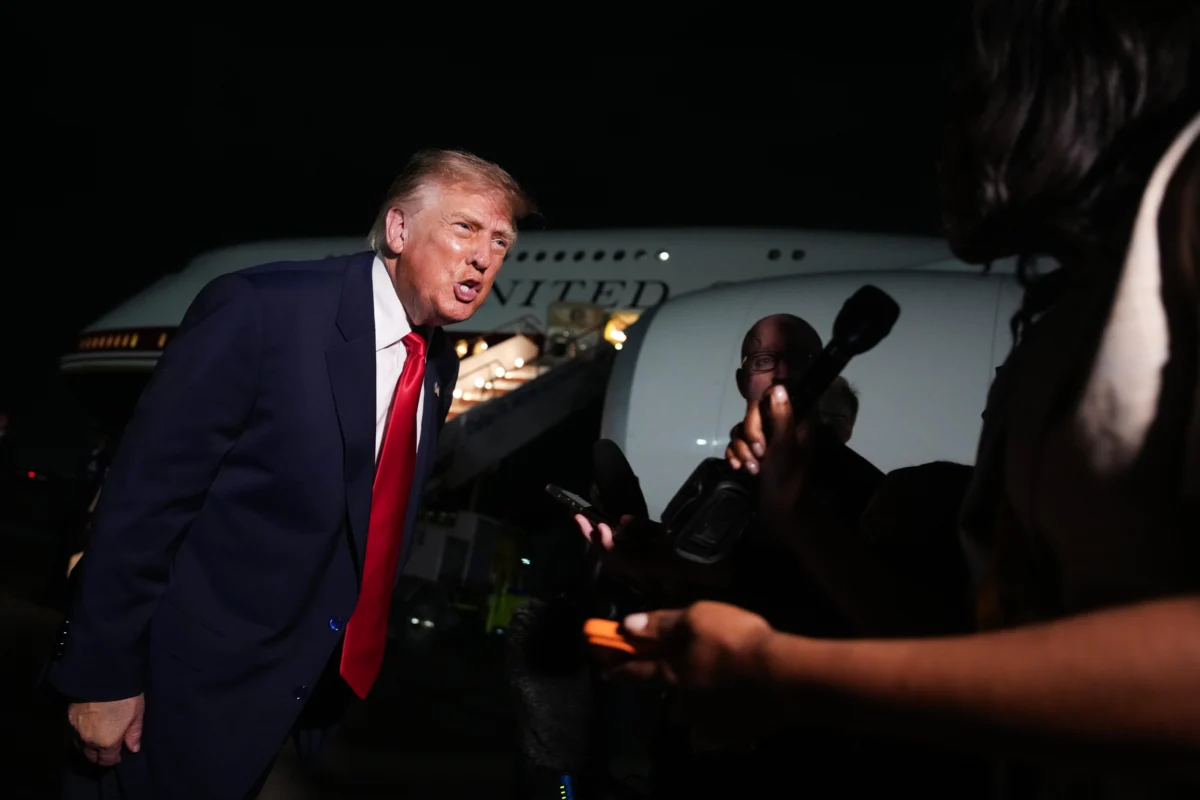
For an extended period, the region found itself on a precipice, grappling with the palpable anxiety of escalating conflict between Washington and Tehran. The Trump administration’s "maximum pressure" campaign, characterized by stringent sanctions and a robust military posture, had significantly inflamed existing animosities. This period was marked by a series of alarming incidents, including attacks on oil tankers in the Persian Gulf, the downing of drones, and the assassination of Iranian military commander Qassem Soleimani. These events fostered an atmosphere of deep uncertainty, with many regional capitals fearing a direct military confrontation that could have devastating consequences for their economies and societies, heavily reliant on the stable flow of energy and trade through vital maritime chokepoints.
However, the advent of the Biden administration brought a subtle but significant recalibration of US foreign policy towards Iran. While maintaining sanctions and expressing concerns about Iran’s nuclear program and regional destabilization activities, the new administration has signaled a greater willingness to explore diplomatic avenues. This shift has been met with a degree of cautious welcome by many Arab states, who, despite their own complex relationships with both the US and Iran, generally prioritize regional stability over prolonged, high-stakes confrontation.
Several factors appear to be contributing to this regional perception of de-escalation. Firstly, the lack of any major, overt military provocations from either side in recent months has allowed for a degree of breathing room. The intense tit-for-tat exchanges that characterized the peak of the tensions have seemingly subsided, replaced by a more subdued, albeit still watchful, posture. This absence of immediate crisis allows for a reassessment of the strategic landscape.
Secondly, there are indications of discreet, indirect communications between Washington and Tehran, potentially facilitated by intermediaries. While such channels are rarely public knowledge, their existence is often inferred through subtle shifts in diplomatic language, policy adjustments, and the positioning of regional actors. These indirect dialogues, even if limited, are seen as crucial for preventing miscalculations and managing potential flashpoints. The focus appears to be on identifying areas of mutual interest or at least shared aversion to direct conflict, rather than attempting to resolve the fundamental ideological and political differences that define the US-Iran relationship.
Thirdly, the economic pressures exerted by US sanctions, while still significant, may have also contributed to a recalibration of Iran’s strategic calculus. While Iran has demonstrated resilience in circumventing some sanctions, the sustained economic strain likely influences its decision-making, potentially making it more receptive to off-ramps that avoid further escalation. For regional governments, this economic dimension is particularly important, as a stable global energy market and predictable trade routes are paramount for their own economic prosperity.
The implications of this perceived de-escalation are manifold and far-reaching. For the Gulf Cooperation Council (GCC) states, a less volatile Iran-US relationship translates into a reduced immediate threat of regional proxy conflicts or direct military engagements that could disrupt their critical oil exports and vital trade arteries. This can foster a more conducive environment for economic diversification initiatives and long-term investment, as the specter of war recedes from the immediate horizon.
Furthermore, a de-escalation could create opportunities for renewed intra-regional dialogue and confidence-building measures. For years, the US-Iran rivalry has exacerbated existing sectarian and political divides within the Middle East, fueling proxy wars and complicating diplomatic efforts to resolve protracted conflicts in countries like Yemen, Syria, and Iraq. If the overarching US-Iran tension is perceived to be easing, it might empower regional actors to engage more constructively with each other, seeking pragmatic solutions to shared challenges.
However, it is crucial to temper this optimism with a healthy dose of realism. The underlying sources of tension between the US and Iran remain deeply entrenched. Iran’s nuclear ambitions, its ballistic missile program, and its support for regional proxy groups continue to be significant points of contention for the United States and its Arab allies. These fundamental disagreements are unlikely to vanish overnight, and any perceived de-escalation should not be misconstrued as a comprehensive resolution of the US-Iran dispute.
The current phase can be more accurately described as a period of managed rivalry rather than genuine détente. Both sides appear to be engaged in a strategic calculation, seeking to avoid a catastrophic conflict while still pursuing their respective national interests. The absence of overt conflict does not signify an end to competition, and the potential for renewed friction remains significant.
Expert analysis suggests that the current diplomatic maneuvering is likely focused on specific, achievable objectives. This could include efforts to revive or renegotiate aspects of the Joint Comprehensive Plan of Action (JCPOA), the landmark nuclear deal abandoned by the Trump administration. Any progress on this front, however incremental, would be viewed as a significant diplomatic achievement and a stabilizing factor for the region. Discussions might also be underway regarding de-escalation in specific regional theaters, such as efforts to find a political resolution to the conflict in Yemen or to reduce tensions along the Israeli-Palestinian fault lines.
The role of key regional players in facilitating or influencing this dynamic cannot be overstated. Countries like Qatar, Oman, and even Iraq, have historically played crucial roles as intermediaries between the US and Iran. Their continued engagement in diplomatic facilitation is likely to be instrumental in maintaining any semblance of de-escalation. Moreover, the strategic calculus of major Arab powers, such as Saudi Arabia and the UAE, will also be critical. While these nations have often been at the forefront of advocating for a firm stance against Iran, they also recognize the economic and security costs of prolonged regional instability. Their evolving diplomatic strategies, which may include a degree of cautious engagement with Tehran, reflect a pragmatic approach to managing complex regional dynamics.
Looking ahead, the trajectory of US-Iran relations, and by extension, regional stability, will be contingent on several factors. The effectiveness of any diplomatic initiatives, the internal political dynamics within both the US and Iran, and the broader geopolitical landscape will all play a significant role. A sustained period of reduced tensions would allow Arab governments to focus on pressing domestic agendas, including economic development, social reform, and addressing the impacts of climate change, without the constant overhang of potential conflict.
Conversely, any misstep or miscalculation could quickly reignite tensions. The proliferation of advanced weaponry, the continued existence of well-armed proxy groups, and the potential for cyber warfare all represent persistent threats that could destabilize the region. Therefore, while the perception of de-escalation is a welcome development, it is imperative for all stakeholders to remain vigilant and to continue pursuing diplomatic solutions that address the root causes of regional insecurity. The current period offers a window of opportunity for constructive engagement, but its long-term impact will depend on the sustained commitment of all parties to de-escalation and the pursuit of lasting peace. The cautious optimism emanating from Arab capitals underscores the collective desire for a more stable and predictable Middle East, a goal that hinges on the careful navigation of the complex and often volatile relationship between the United States and Iran.

 Aura Kasih
 Safa Marwah
 Ayu Aulia