Lisa Mariana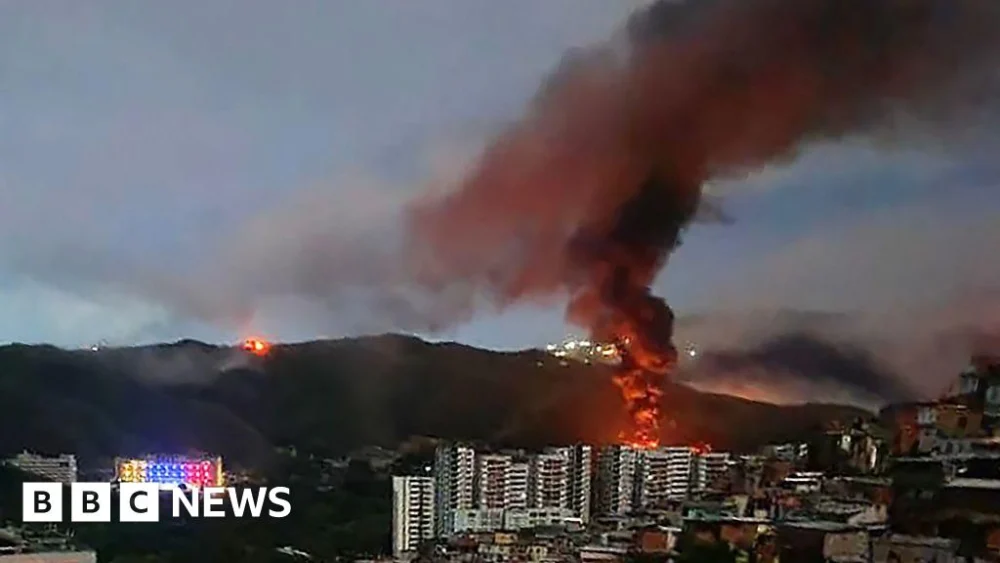
The somber return of thirty-two Cuban military and security personnel, killed during a recent United States military intervention in Venezuela, underscores a critical escalation in regional tensions and the enduring complexities of Cuba’s international alliances. These repatriations initiate a period of national mourning and formal military observances across the island, bringing into sharp relief the human cost of the geopolitical confrontation between Washington and its socialist adversaries in Latin America.
The casualties, consisting of soldiers and security operatives, arrived on Cuban soil to be received with full military honors, marking a profound moment of national grief and defiance. Their bodies will be transported to the Ministry of the Revolutionary Armed Forces in Havana, where public vigils will allow citizens to pay their respects before further ceremonies are conducted in municipalities throughout the nation. These events culminate in a planned demonstration outside the United States embassy in Havana, a symbolic act of protest against the intervention that claimed the lives of these individuals and forcibly removed Venezuelan leader Nicolás Maduro from power.
The incident in question, occurring on January 3rd, involved a US military raid on Caracas, the Venezuelan capital, which the Venezuelan government asserts resulted in over 100 fatalities. The Cuban personnel were reportedly serving as protection officers for President Maduro, a long-standing ally of Havana, at the time of the incursion. Their mission was compromised when US Delta Force troops penetrated his compound, leading to his apprehension and subsequent transfer to New York to face international drug trafficking charges. This event represents a dramatic shift in the political landscape of Venezuela and casts a long shadow over the future of the region.
The scale of Cuban casualties from this single engagement is particularly significant, believed to be the largest number of Cuban combatants killed by the US military since the abortive Bay of Pigs invasion in 1961. That historical event, a CIA-backed attempt to overthrow Fidel Castro’s revolutionary government, remains a potent symbol of US interventionism and Cuban resistance. The present incident, though distinct in its immediate context, inevitably invokes this historical parallel, reinforcing a narrative of ongoing struggle against perceived external aggression within Cuba. The comparison underscores the gravity of the recent losses and their profound resonance within Cuban collective memory and national identity.
Cuba’s involvement in Venezuela is not an isolated phenomenon but rather a continuation of a long-standing policy of international solidarity, rooted in the revolutionary ethos that has defined the island nation for over six decades. Since the triumph of the Cuban Revolution in 1959, Havana has consistently deployed doctors, educators, and, at times, military and security advisors to allied nations across Latin America, Africa, and beyond. This "internationalism" has served both ideological and pragmatic purposes, projecting Cuban influence, fostering revolutionary movements, and securing vital economic and political alliances. In the case of Venezuela, the relationship blossomed significantly during the presidency of Hugo Chávez, who, inspired by Fidel Castro, forged a robust alliance based on socialist principles, anti-imperialist rhetoric, and a mutually beneficial economic arrangement centered on oil.
For decades, Venezuelan oil has been the lifeblood of the Cuban economy, a critical subsidy that cushioned the impact of the stringent US economic embargo and mitigated the severe energy crisis that followed the collapse of the Soviet Union. The consistent supply of crude oil, often provided under preferential terms in exchange for Cuban medical and educational services, became an indispensable pillar of Cuba’s energy security and overall economic stability. The forcible removal of President Maduro and the subsequent assertion of US influence over Venezuela’s new political trajectory therefore represent an existential threat to this vital economic lifeline.
The US administration, under President Donald Trump, has intensified pressure on both Cuba and Venezuela, consistently framing the Cuban government as a repressive regime and a malign influence in the region. The rhetoric from Washington has been uncompromising, with President Trump notably declaring that Cuba is "ready to fall." This aggressive stance follows a period of rapprochement under the Obama administration, which had sought to normalize relations with Havana. The reversal of this policy has seen the re-imposition and tightening of sanctions, increased restrictions on travel and remittances, and a renewed emphasis on isolating Cuba diplomatically and economically. The intervention in Venezuela and the subsequent shift in Caracas’s political alignment are direct consequences of this broader strategy, designed to dismantle what Washington perceives as an "axis of tyranny" in the Western Hemisphere.
A critical consequence of the regime change in Venezuela, driven by US military action, is the immediate cessation of oil shipments to Cuba. This represents a catastrophic blow to the communist-run nation, which has already been grappling with an acute and deepening economic and energy crisis. The current Cuban economy is characterized by widespread scarcity, particularly of basic goods, food, and fuel, leading to daily hardships for its citizens. The loss of its most important benefactor of the past 25 years threatens to plunge the island into an even more severe economic downturn, potentially reminiscent of the "Special Period" of the 1990s, when the collapse of the Soviet Union triggered widespread shortages and immense suffering. The intricate web of state-controlled enterprises, which relies heavily on subsidized energy, faces unprecedented challenges in maintaining essential services and production.
The geopolitical ramifications of these events extend far beyond the immediate Cuba-Venezuela dynamic. The US military intervention in Venezuela, regardless of its stated objectives, sets a significant precedent for the use of force in the region, potentially destabilizing an already volatile geopolitical landscape. It signals a more assertive US foreign policy in Latin America, willing to employ direct military action to achieve regime change and reshape regional alliances. This approach risks alienating other regional powers and further polarizing international relations, particularly with nations like Russia and China, which have their own strategic interests and investments in Latin America. The incident also raises complex questions regarding international law, national sovereignty, and the role of external actors in internal political disputes.
In Havana, the government has responded with characteristic defiance, reiterating its unwavering commitment to resisting US pressure and the longstanding economic embargo. Official statements have condemned the intervention as an act of aggression and a violation of Venezuelan sovereignty, portraying the fallen personnel as martyrs in the broader struggle against imperialism. State media channels are expected to play a crucial role in shaping public discourse, emphasizing national unity and resilience in the face of adversity. However, beneath the official narrative of steadfast resistance, there is growing anxiety among ordinary Cubans. The prospect of a deepening conflict with the United States, coupled with the profound economic impact of losing Venezuelan oil, raises profound concerns about the availability of basic necessities—keeping the lights on, securing food supplies, and accessing essential goods—in a country already struggling with widespread scarcity and economic hardship.
The events surrounding the deaths of the Cuban personnel in Venezuela and the subsequent political upheaval represent a critical juncture for Cuba. The repatriation ceremonies serve not only as a moment of mourning but also as a powerful political statement, reinforcing the government’s narrative of victimhood and resistance against external aggression. As the island grapples with the profound implications of this geopolitical shift, particularly the loss of its primary oil benefactor, the resilience of its economic model and the patience of its populace will be tested anew. The future trajectory of Cuba, its relationship with the United States, and its role in the evolving Latin American geopolitical landscape now face unprecedented challenges, with the recent casualties serving as a stark reminder of the escalating stakes.



 Safa Marwah
 Aura Kasih