Aura Kasih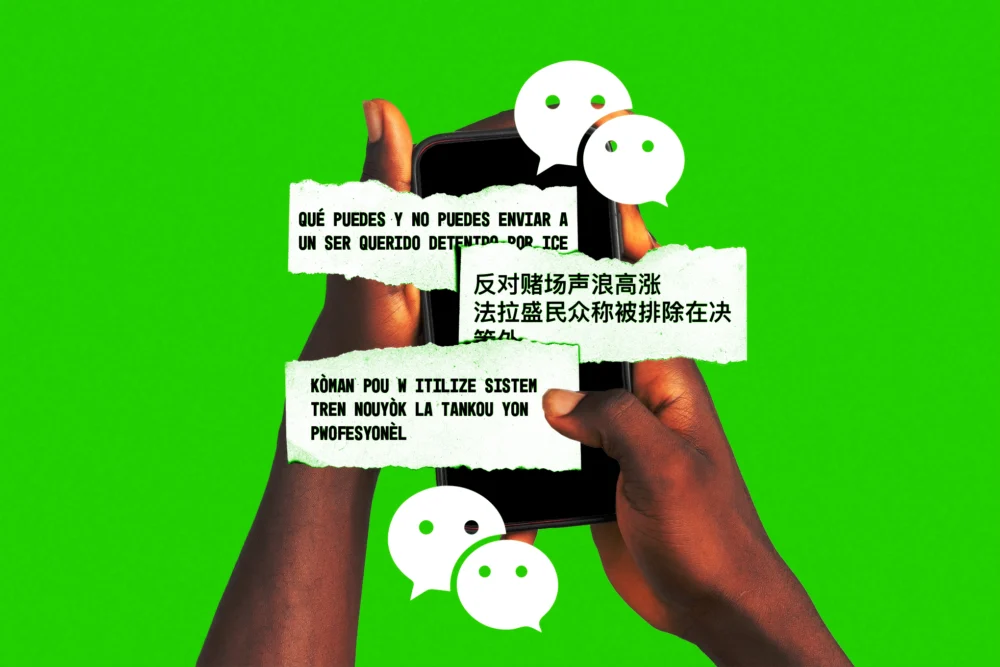
In a digital landscape often dominated by algorithm-driven feeds and fleeting trends, a pioneering approach to news dissemination is emerging, one that prioritizes deep community engagement and meets audiences on their preferred platforms, even if those platforms aren’t traditional news outlets. Documented, a nonprofit newsroom dedicated to serving immigrant communities in New York City, has revolutionized its outreach by leveraging messaging applications like WhatsApp and WeChat, transforming them from personal communication tools into vital conduits for essential information and journalistic interaction. This innovative strategy underscores a critical shift in how news organizations can effectively reach and empower historically underserved populations, demonstrating that true impact lies not in broad reach, but in meaningful connection.
The proliferation of messaging apps as primary communication hubs for many immigrant communities presents both a challenge and an unprecedented opportunity for journalism. Unlike the public-facing nature of social media platforms, these encrypted or semi-closed environments foster a sense of privacy and trust, making them ideal for sharing sensitive information and cultivating direct relationships between journalists and their readers. Documented’s model, exemplified by its WeChat channel for Chinese speakers and its burgeoning presence on WhatsApp for Spanish speakers, fundamentally redefines what it means to be a news provider in the 21st century.
At the heart of Documented’s success is a profound understanding of the media consumption habits of New York’s diverse immigrant populations. The city itself is a mosaic, with over a third of its residents being foreign-born, hailing from regions as varied as the Dominican Republic, China, and Jamaica. Recognizing that traditional news outlets, often operating solely in English and on platforms inaccessible to many, were failing to serve these communities, Documented embarked on a mission to bridge this information gap. This involves not only translating crucial news and resources into multiple languages—including Spanish, Chinese, and Haitian Creole—but also actively engaging with these communities on platforms where they already congregate.
The choice of WeChat for reaching Chinese speakers, for instance, is a strategic masterstroke. In many diasporic communities, WeChat functions as an "everything app," integrating social networking, financial services, news aggregation, and even government services. Its semi-closed nature, where content is primarily shared among contacts, fosters a trusted network, making it an ideal environment for Documented to disseminate vital information about healthcare access, immigration arrests, and crucial public services such as toy giveaways, free grocery distributions, and affordable housing lotteries. April Xu, a reporter for Documented covering New York’s Chinese community, navigates over 50 WeChat groups, each with a potential reach of 500 members, alongside a dedicated reader group chat. This direct access allows her to not only share news but also to field urgent questions about English classes, court appearances, and the implications of travel for green card holders.
This approach stands in stark contrast to the often precarious relationship between traditional newsrooms and major social media platforms. Historically, news organizations have been compelled to adapt to the dictates of platforms like Facebook and Google, whose algorithmic shifts and policy changes can drastically impact their reach and revenue. This reliance on intermediaries means publishers often lack true ownership of their audience relationships. Documented, by contrast, cultivates direct, platform-specific engagement, recognizing that a truly owned relationship with the audience is paramount for sustained impact.
The imperative to meet immigrant audiences where they are is a core tenet of Documented’s philosophy, as articulated by Editor-in-Chief Ethar El-Katatney. "Immigrants want information that is actionable in the languages that they speak and on the platforms that they’re on," she states. This commitment extends beyond mere content translation; it involves a deep investment in understanding the unique media ecosystems of each community. For example, Ralph Thomassaint Joseph, who covers the Caribbean community, identified Nextdoor, a neighborhood-based social platform, as a critical information hub through audience surveys. He actively monitors keywords related to immigration and shares relevant news, despite Nextdoor’s historical limitations for broad news distribution. His consistent presence, earning him the moniker "Mr. Joseph," has established him as a trusted source of information, navigating the platform’s content moderation policies to deliver essential updates.
The utilization of WhatsApp by Documented for its Spanish-speaking audience further illustrates this adaptable strategy. Rommel Ojeda, who covers Latino communities, initially found the platform’s broadcasting channels to be limiting, offering only superficial engagement through emoji reactions. He transitioned to the WhatsApp Business platform, which facilitates a more direct, one-on-one interaction akin to a customer service line. This allows for private, documented conversations between reporters and readers, fostering a sense of personal connection and trust. Ojeda also maintains a WhatsApp channel with over 8,500 Documented readers, sharing his work and providing timely updates.
The cultivation of these direct relationships yields invaluable journalistic insights and story leads. Xu’s experience with a guide on mental health services for Chinese New Yorkers, which led to her connecting a mother with resources for her son with developmental disabilities and subsequently publishing a more comprehensive guide, highlights the power of this community-driven approach. It demonstrates how attentive listening and on-the-ground engagement can uncover critical needs and inform reporting that has a tangible impact on individuals’ lives. This focus on the post-arrival experiences of immigrants—how they find work, access services, and build their lives—fills a crucial void in broader immigration narratives.
However, the reliance on third-party platforms necessitates a degree of journalistic agility and foresight. El-Katatney acknowledges the ephemeral nature of digital platforms, recognizing that a tool beneficial today could become obsolete tomorrow. Documented is actively engaged in developing contingency plans and deepening its community engagement strategies. This includes exploring new formats, such as audio content in response to the voice notes received from Caribbean readers, and developing robust protocols to protect sources amidst an increasingly hostile environment for immigrants, particularly in light of federal immigration enforcement actions. The organization’s primary motivation is not scale, but the development of a community-driven journalism model that fosters deep audience access and informs all aspects of their reporting, making it compelling, effective, and far-reaching.
The implications of Documented’s innovative approach extend far beyond the immediate benefit to New York’s immigrant communities. It offers a potent blueprint for news organizations globally seeking to engage with marginalized populations. In an era where trust in media is at an all-time low and information silos are increasingly entrenched, the deliberate act of meeting audiences on their terms, in their languages, and through their preferred communication channels is not merely a tactical advantage; it is an ethical imperative. By prioritizing genuine connection over sheer reach, Documented is not just delivering news; it is building bridges, fostering empowerment, and demonstrating the enduring power of journalism to serve and strengthen communities. The future of impactful journalism may very well lie in these seemingly unconventional, yet profoundly human, digital spaces.




 Lisa Mariana
 Safa Marwah
 Ayu Aulia