Ridwan Kamil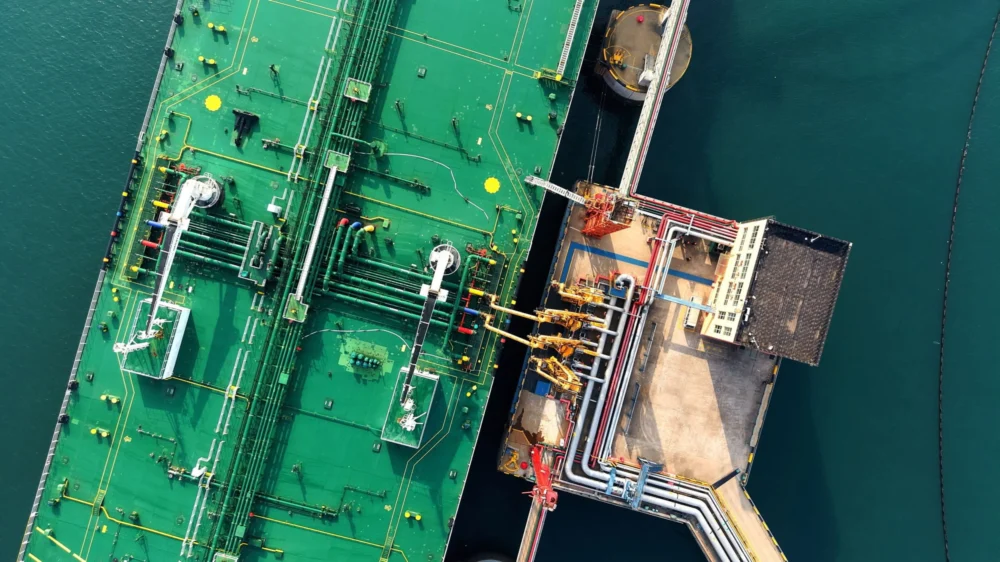
Lingering anxieties surrounding potential military escalation in Iran have significantly abated, leading to a noticeable decline in international crude oil benchmarks as market participants reassess supply risk premiums.
The recent shift in oil market sentiment is a direct consequence of de-escalated geopolitical tensions in the Middle East, a region historically synonymous with volatile energy supply dynamics. For weeks, markets had been pricing in a heightened risk of supply disruptions emanating from the Strait of Hormuz, a critical chokepoint for a significant portion of the world’s oil trade. However, a series of diplomatic overtures and a perceived reduction in immediate threats have allowed traders and investors to dial back their expectations of immediate conflict. This recalibration has translated into a downward pressure on crude oil prices, as the perceived probability of significant supply shocks diminishes.
The intricate relationship between geopolitical stability and oil prices is a well-established phenomenon. Any perceived threat to production facilities, transportation routes, or the stability of major oil-exporting nations can swiftly trigger a surge in crude prices. Conversely, the easing of such threats typically leads to a correction, as the market sheds the "risk premium" it had previously incorporated. In this instance, the perceived threat originating from Iran, whether through direct military action or indirect disruptions via proxy groups, had been a significant driver of upward price momentum. As these immediate fears recede, the market is returning to a more fundamental assessment of supply and demand, which currently appears to be tilting towards a more balanced, or even slightly oversupplied, scenario.
Several factors contribute to the current market dynamics. Firstly, the strategic importance of Iran in the global oil landscape cannot be overstated. While not the largest producer, its potential to disrupt regional supply chains, particularly through the Strait of Hormuz, has always been a significant factor in market calculations. Any perceived escalation of conflict involving Iran could have had cascading effects, potentially impacting the flow of oil from Saudi Arabia, the UAE, and other key producers in the Persian Gulf. The easing of these concerns has therefore removed a substantial layer of uncertainty that had been weighing on market sentiment.
Secondly, the broader global economic outlook also plays a crucial role. While demand for oil remains robust, driven by recovering industrial activity and global trade, any significant slowdown in major economies could temper future demand growth. The current price decline, therefore, reflects not only a reduction in geopolitical risk but also a more nuanced view of the balance between supply and demand in the medium term. If economic growth falters, even with reduced geopolitical risk, oil prices could face further downward pressure.
The implications of this price adjustment extend beyond the immediate trading floors. For oil-producing nations, particularly those heavily reliant on crude exports for their national budgets, a sustained period of lower prices can present significant fiscal challenges. Governments may need to revisit their spending plans, seek alternative revenue streams, or implement austerity measures if lower oil revenues persist. This can have knock-on effects on domestic economies, influencing investment, employment, and social programs.
Conversely, for oil-importing nations and consumers, lower oil prices generally translate into lower energy costs. This can provide a boost to household budgets, reduce inflationary pressures, and lower transportation costs for businesses. The impact can be particularly significant for countries that are heavily dependent on imported oil, as it can improve their trade balances and enhance economic competitiveness. However, it is important to note that the pass-through of lower oil prices to consumers is not always immediate or complete, and can be influenced by government taxation policies and the pricing strategies of energy companies.
Looking ahead, the trajectory of oil prices will likely remain sensitive to a confluence of factors. The ongoing diplomatic efforts to de-escalate tensions in the Middle East will be closely monitored. Any resurgence of aggressive rhetoric or actions could quickly reignite market anxieties and lead to a renewed upward price movement. Furthermore, the effectiveness of global economic policies in managing inflation and fostering sustainable growth will be a key determinant of future oil demand. Central bank actions, government stimulus packages, and the overall health of the global financial system will all contribute to the demand-side equation.
Supply-side dynamics will also continue to be pivotal. The production decisions of major oil-producing countries, particularly those within the Organization of the Petroleum Exporting Countries (OPEC) and its allies (OPEC+), will play a significant role in shaping market balance. The group has demonstrated a willingness to adjust production levels to manage prices, and their future strategies will be closely scrutinized. Additionally, the impact of new exploration and production technologies, as well as the pace of the global transition to cleaner energy sources, will influence long-term supply potential and demand patterns.
The current dip in oil prices, therefore, represents a temporary respite from heightened geopolitical concerns. While the immediate threat of significant supply disruption from Iran appears to have receded, the underlying geopolitical landscape remains complex and prone to shifts. Market participants will continue to weigh the interplay of these geopolitical developments against fundamental economic indicators and the evolving dynamics of energy supply and demand. The oil market, by its very nature, is a barometer of global stability and economic health, and its movements will continue to offer valuable insights into the broader forces shaping the international landscape.
The strategic significance of the Strait of Hormuz, through which approximately 20-30% of global oil exports pass, cannot be underestimated. Any disruption, whether intentional or accidental, in this narrow waterway can have immediate and far-reaching consequences for global energy markets. The recent easing of tensions has allowed the market to breathe a collective sigh of relief, as the prospect of such a disruption has diminished. This does not, however, mean that the underlying risks have been entirely eliminated. The situation remains fluid, and any miscalculation or escalation could quickly reintroduce a significant risk premium into oil prices.
The role of speculation and algorithmic trading in modern oil markets also warrants consideration. Large volumes of oil futures contracts are traded daily, and these markets can be highly sensitive to news flow and shifts in sentiment. The rapid unwinding of long positions, driven by a perceived reduction in risk, can exacerbate downward price movements, creating a feedback loop that amplifies the initial move. Conversely, any renewed geopolitical concern could trigger a swift reversal, as traders scramble to secure supply.
Furthermore, the current price correction could also be influenced by inventory levels. If global crude oil inventories are seen to be building, this would further support a bearish outlook for prices. Conversely, if inventories are drawn down, it could provide some support, even in a lower-risk geopolitical environment. The reporting of inventory data from key statistical agencies, such as the U.S. Energy Information Administration (EIA), will therefore be closely watched by market participants.
The transition to renewable energy sources, while a long-term trend, also plays a subtle role in current market dynamics. As the world increasingly invests in and adopts cleaner energy alternatives, the long-term demand outlook for fossil fuels, including oil, is subject to debate. However, in the short to medium term, oil remains the dominant energy source for transportation and many industrial processes. The pace of this transition, and the extent to which it impacts demand, will be a crucial factor in shaping oil prices in the years to come.
In conclusion, the recent decline in oil prices is a multifaceted phenomenon, primarily driven by a palpable reduction in immediate geopolitical anxieties concerning Iran. This has allowed market participants to shift their focus towards a more fundamental assessment of supply and demand, which, in the current context, appears to be leaning towards a more balanced equilibrium. Nevertheless, the inherent volatility of the oil market, coupled with the persistent complexities of Middle Eastern geopolitics and the evolving global economic landscape, suggests that price fluctuations will remain a defining characteristic of this crucial commodity. Vigilance and a comprehensive understanding of these interconnected factors will be essential for navigating the dynamic world of energy markets.



 Aura Kasih
 Safa Marwah
 Ayu Aulia