
 Ridwan Kamil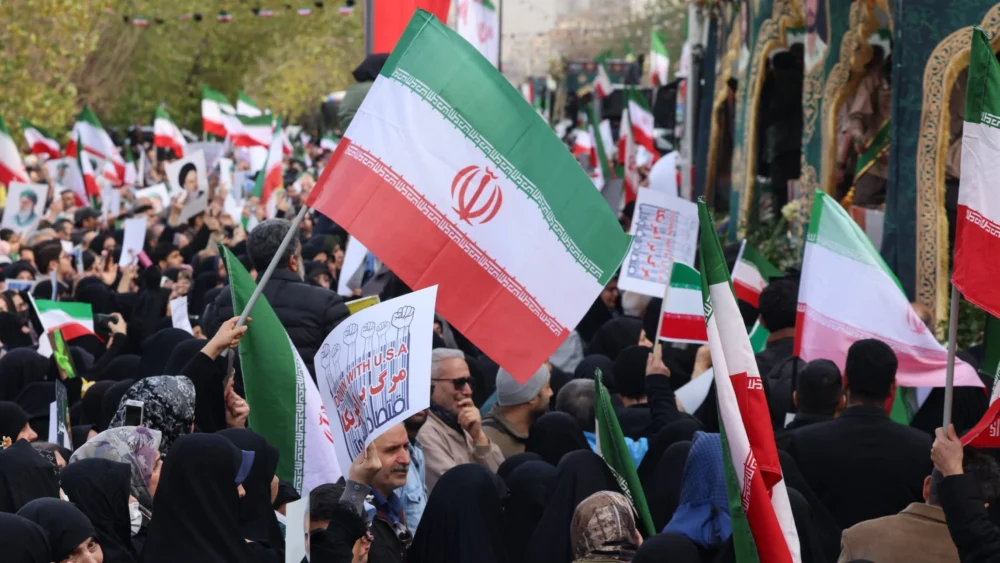
In a stark call for decisive action, Iran’s top judicial official has publicly advocated for the immediate and severe punishment of individuals detained in connection with recent widespread demonstrations, signaling a hardening stance by the clerical regime against dissent.
The pronouncements from Iran’s Chief Justice Gholamhossein Mohseni Ejei underscore the deep anxieties within the Iranian establishment regarding the sustained wave of protests that have gripped the nation. These demonstrations, ignited by the death of Mahsa Amini in the custody of the morality police, have evolved into a broad-based challenge to the legitimacy of the Islamic Republic, encompassing demands for fundamental political and social change. Ejei’s demand for swift retribution is not merely a procedural directive; it represents a strategic imperative for a regime grappling with unprecedented internal dissent and seeking to reassert its authority through a demonstration of unyielding force. The judiciary, under his leadership, is positioned as the primary instrument for quelling this unrest, with the implied threat of severe penalties serving as a deterrent against further mobilization.
The underlying context for Ejei’s forceful rhetoric lies in the multifaceted nature of the protests. What began as a localized outcry against the state’s enforcement of compulsory hijab laws has rapidly morphed into a nationwide uprising, attracting a diverse spectrum of the population. Young women, students, ethnic minorities, and even segments of the middle class have joined the chorus of discontent, articulating grievances that extend far beyond the immediate catalyst. These grievances include widespread economic hardship exacerbated by international sanctions, a pervasive lack of political freedom, systemic corruption, and a deep-seated frustration with theocratic rule. The regime’s response, therefore, is not just about restoring order; it is about confronting a perceived existential threat to its very foundations.
Ejei’s call for "swift punishment" carries significant implications for the legal processes that will be applied to those apprehended. It suggests a departure from due process, with an emphasis on expedience and severity. This approach is consistent with historical patterns of state repression in Iran, where judicial proceedings in politically charged cases are often characterized by a lack of transparency, coerced confessions, and disproportionately harsh sentences, including capital punishment. The chief justice’s statement serves as a clear directive to judicial authorities to expedite trials and deliver verdicts that will serve as a potent warning to any who might consider participating in or supporting future demonstrations. The aim is to create an atmosphere of fear and to extinguish any flicker of organized opposition.
The international community has been closely observing the unfolding events in Iran. Human rights organizations have repeatedly documented the Iranian government’s pattern of suppressing dissent through arbitrary arrests, torture, and executions. Ejei’s latest remarks are likely to intensify these concerns, raising fears of a further crackdown on civil liberties and a significant increase in the number of political prisoners facing severe penalties. The potential for a wave of summary trials and harsh sentencing could lead to international condemnation and further strain Iran’s already fragile diplomatic relations. Moreover, the crackdown could exacerbate existing tensions with Western powers, potentially leading to renewed calls for sanctions or other forms of international pressure.
The economic dimension of the ongoing protests cannot be overstated. Decades of mismanagement, coupled with the crippling impact of international sanctions, have led to soaring inflation, high unemployment, and a general decline in living standards for many Iranians. This economic discontent has become a fertile ground for broader political grievances, as citizens increasingly blame the ruling elite for their economic woes. The regime’s attempts to quell the protests often involve a combination of security crackdowns and promises of economic reform, but the effectiveness of these measures remains to be seen. A prolonged period of unrest and a harsh crackdown could further damage Iran’s already struggling economy, creating a vicious cycle of discontent and repression.
The role of technology and social media in facilitating and amplifying the protests has also been a significant factor. While the regime has attempted to control the narrative through internet shutdowns and censorship, activists have proven adept at circumventing these restrictions, using encrypted messaging apps and virtual private networks to organize and disseminate information. This digital dimension of the protests presents a new challenge for the authorities, as it allows for rapid mobilization and a broader reach than traditional forms of activism. Ejei’s call for punishment may also extend to those accused of using digital platforms to organize or spread dissent, further broadening the scope of potential repercussions.
From an analytical perspective, Ejei’s directive signifies a critical juncture in the regime’s strategy. Having initially attempted to dismiss the protests as the work of a small, foreign-backed minority, the sheer scale and persistence of the demonstrations appear to have forced a shift towards a more overtly repressive posture. The emphasis on "swift punishment" suggests a belief that decisive, albeit brutal, action is necessary to break the momentum of the movement and prevent its further escalation. This approach, however, carries inherent risks. A severe crackdown, particularly if it results in widespread casualties, could further galvanize opposition and international condemnation, potentially leading to a more volatile and unpredictable situation.
The long-term implications of this stance are profound. If the regime succeeds in crushing the current wave of protests through intimidation and severe punishment, it may buy itself temporary respite. However, it is unlikely to address the underlying grievances that fueled the dissent. The deep-seated economic, social, and political frustrations will likely persist, creating the potential for future uprisings. Conversely, if the crackdown proves insufficient to quell the dissent, or if it leads to a significant increase in casualties, it could further erode the regime’s legitimacy and potentially embolden more radical opposition elements.
The judiciary’s role in this context is central. As the arm of the state responsible for enforcing laws and dispensing justice, its actions will be closely scrutinized. The chief justice’s directive to prioritize swift punishment over meticulous legal processes raises serious questions about the fairness and impartiality of the judicial system. This could have significant implications for Iran’s domestic stability and its standing in the international arena. The international community, including human rights organizations and governments, will be monitoring judicial proceedings closely, looking for evidence of due process and adherence to international human rights standards. Any perceived violations are likely to elicit strong condemnation and potentially further diplomatic pressure.
The future trajectory of Iran’s internal political landscape will be significantly shaped by how this current phase of repression unfolds. The regime’s willingness to employ severe measures against its own citizens, as indicated by Ejei’s pronouncements, suggests a determination to preserve its authority at all costs. However, the resilience of the protest movement, fueled by widespread discontent, indicates that the challenges facing the clerical establishment are far from over. The coming weeks and months will likely witness a tense standoff between a determined state apparatus and a populace demanding fundamental change, with the judiciary playing a pivotal role in determining the immediate outcome. The global implications of this internal struggle, particularly concerning regional stability and international energy markets, remain a subject of intense geopolitical analysis.

 Lisa Mariana
 Aura Kasih
 Ayu Aulia


 Safa Marwah