
 Ridwan Kamil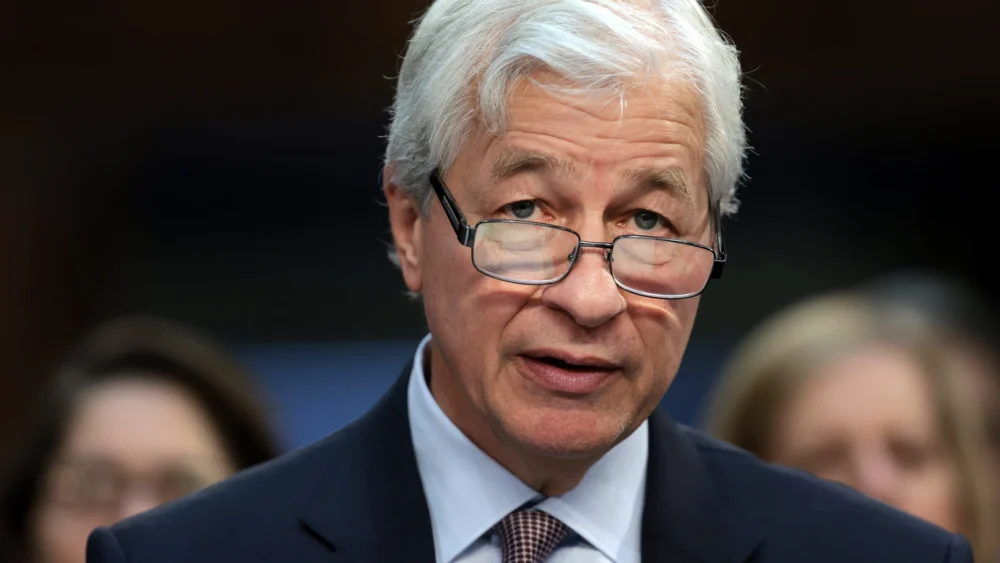
Jamie Dimon, the influential chief executive of JPMorgan Chase, has issued a stark warning: any perceived or actual attempts by the Trump administration to undermine the independence of the U.S. Federal Reserve could inadvertently exacerbate inflationary pressures within the American economy. This perspective, articulated by one of the nation’s most prominent financial leaders, underscores a fundamental tenet of modern monetary policy – that a central bank shielded from short-term political whims is better equipped to maintain price stability and foster sustainable economic growth.
The relationship between political influence and central bank credibility is a cornerstone of macroeconomic stability. Historically, instances where governments have pressured or directly interfered with monetary policy decisions have often led to detrimental economic outcomes. These outcomes typically manifest as unchecked inflation, currency devaluation, and a loss of investor confidence, creating a challenging environment for businesses and consumers alike. Dimon’s comments suggest that even the perception of political interference can erode the Fed’s ability to effectively manage the economy.
The Delicate Balance: Political Agendas vs. Monetary Mandate
The Federal Reserve, by design, operates with a degree of independence from the executive and legislative branches of government. This independence is not an arbitrary privilege but a critical mechanism to insulate monetary policy from the short-term electoral cycles and political pressures that can distort economic decision-making. The Fed’s dual mandate – to promote maximum employment and stable prices – requires a long-term perspective that can sometimes necessitate unpopular decisions, such as raising interest rates to curb inflation, even if such actions might dampen economic growth in the immediate future.
Political leaders, driven by the need to secure votes and demonstrate tangible economic improvements during their tenure, may find it tempting to advocate for policies that stimulate the economy in the short run, even at the risk of higher inflation down the line. This inherent tension is precisely why central bank independence is so highly valued. When politicians publicly criticize or pressure the Fed, it can be interpreted as an attempt to influence its decisions for political gain. This, in turn, can undermine the Fed’s credibility in the eyes of the public, financial markets, and international observers.
Erosion of Credibility and Its Economic Repercussions
The credibility of a central bank is arguably its most potent tool. When economic actors – from households and businesses to sophisticated investors – believe the Fed is committed to its mandate and possesses the capacity to achieve it, their expectations about future inflation tend to remain anchored. This anchoring of inflation expectations is crucial. If people expect prices to rise, they may demand higher wages, businesses may raise prices proactively, and a self-fulfilling prophecy of persistent inflation can emerge.
Conversely, if the Fed’s independence is perceived to be compromised, its pronouncements and actions may carry less weight. This could lead to a de-anchoring of inflation expectations, making the Fed’s job of controlling inflation significantly harder. Imagine a scenario where the market believes the Fed is hesitant to raise interest rates because of political pressure to avoid a slowdown. Investors might then anticipate higher inflation and demand higher returns on their investments, further fueling inflationary pressures.
Dimon’s warning highlights this precise risk. If the Trump administration’s rhetoric or actions are seen as attempts to pressure the Fed into maintaining accommodative monetary policy or resisting necessary tightening, it could signal to the market that the Fed is not solely focused on its price stability mandate. This loss of confidence could lead to a devaluation of the dollar as foreign investors become wary of holding U.S. assets, and a general increase in borrowing costs as markets demand a higher premium to compensate for the perceived risk of higher future inflation.
The Mechanism of Inflationary Pressure
How exactly could attacks on the Fed boost inflation? The transmission mechanisms are multifaceted:
- De-anchoring Inflation Expectations: As discussed, the most direct route is through the impact on public and market expectations. If the Fed is perceived as politically beholden, its commitment to fighting inflation may be doubted, leading to a rise in expected inflation.
- Weakening the Dollar: Political instability or perceived policy incoherence can lead to capital flight and a depreciation of the national currency. A weaker dollar makes imports more expensive, directly contributing to inflation. It also makes U.S. exports cheaper, potentially boosting demand and further inflationary pressures.
- Undermining Interest Rate Effectiveness: The Fed’s primary tool for combating inflation is raising interest rates, which increases the cost of borrowing, dampens demand, and cools the economy. If the Fed’s independence is questioned, its ability to implement and sustain these rate hikes without political backlash may be compromised. Markets might anticipate policy reversals, diminishing the impact of rate hikes.
- Fiscal Policy Misalignment: In some instances, political pressure on the central bank could be linked to a desire for looser fiscal policy (increased government spending or tax cuts) that is not offset by corresponding revenue increases. If the central bank is perceived as the "lender of last resort" or a buffer against fiscal irresponsibility, it could embolden politicians to pursue deficit-financed spending, which, if not met by increased productive capacity, can be inflationary.
Historical Precedents and Economic Theory
Economic history offers numerous examples where central bank independence has been crucial for maintaining price stability. The hyperinflationary episodes of the 20th century in countries like Weimar Germany, Zimbabwe, and Venezuela are often characterized by a severe erosion of central bank autonomy, with governments printing money to finance deficits or succumbing to populist demands for unsustainable economic policies.
Conversely, countries with strong, independent central banks have generally exhibited more stable inflation rates and robust economic performance. The German Bundesbank, for instance, was long revered for its unwavering commitment to price stability, a reputation that contributed to low inflation in Germany and influenced monetary policy across Europe.
The theoretical underpinnings of central bank independence are well-established in macroeconomic literature. Economists like Milton Friedman and Anna Schwartz highlighted the dangers of discretionary monetary policy that is subject to political influence. The "time inconsistency problem" in monetary policy, first formally articulated by Finn Kydland and Edward Prescott, explains how a government might announce a low inflation target but then have an incentive to deviate from it to stimulate employment in the short term, leading to higher inflation in the long run. An independent central bank, insulated from these short-term incentives, can credibly commit to the low inflation target.
The Trump Administration’s Approach to the Fed
During his presidency, Donald Trump frequently expressed dissatisfaction with the Federal Reserve and its then-chairman, Jerome Powell. He publicly criticized interest rate hikes, suggesting they were detrimental to economic growth and called for lower rates. These public pronouncements were seen by many as an attempt to pressure the Fed to adopt policies more aligned with the administration’s economic agenda. While the Fed maintained its operational independence, such public commentary can sow seeds of doubt about its autonomy and impartiality.
The concern articulated by Dimon is that even if the Fed resists direct political pressure, the perception of such pressure can be damaging. If markets and the public believe that the Fed’s decisions are influenced, even indirectly, by political considerations, the foundation of its credibility begins to erode. This erosion can then translate into the very inflationary pressures the Fed is mandated to prevent.
Implications for the Financial System and Investment
The implications of compromised central bank independence extend far beyond inflation. A loss of confidence in the Fed could lead to increased market volatility, higher borrowing costs across the economy, and a potential re-evaluation of the U.S. dollar’s status as the world’s primary reserve currency.
For investors, this environment would necessitate a more cautious approach. Assets that are typically seen as hedges against inflation, such as gold or commodities, might become more attractive. Conversely, fixed-income investments could face greater headwinds as rising inflation erodes their real returns and interest rate hikes increase their yields. Equity markets might also experience increased volatility as uncertainty about the economic outlook and monetary policy persists.
Furthermore, businesses would face a more challenging operating environment. Higher borrowing costs would make investment and expansion more expensive, potentially slowing job creation and economic growth. Uncertainty about future inflation and currency values could also make long-term business planning more difficult.
The Path Forward: Reinforcing Central Bank Autonomy
Jamie Dimon’s warning serves as a critical reminder of the importance of safeguarding the independence of institutions like the Federal Reserve. For the U.S. economy to navigate complex challenges such as inflation, technological disruption, and geopolitical shifts, it requires a monetary policy framework that is credible, independent, and focused on its long-term mandates.
Reinforcing central bank autonomy involves several key elements:
- Clear Communication: Central bank officials must communicate their policy decisions and the rationale behind them clearly and consistently, reinforcing their commitment to their mandates.
- Political Restraint: Political leaders should refrain from public commentary that can be construed as pressure or criticism of the central bank’s operational decisions. Respecting the institutional boundaries is paramount.
- Legal Protections: While the Fed already enjoys a high degree of independence, ongoing vigilance is necessary to ensure that legislative or executive actions do not inadvertently weaken its autonomy.
- Public Understanding: Educating the public about the crucial role of central bank independence in maintaining economic stability is essential to building broad support for this principle.
In conclusion, the warning from Jamie Dimon is not merely a commentary on political rhetoric; it is a profound statement about the fundamental architecture of modern economic management. The potential for political interference to fuel inflation underscores the delicate yet vital balance that must be maintained between the imperatives of democratic governance and the need for an independent central bank to act as a steadfast guardian of price stability and economic health. The consequences of undermining this independence can be severe and far-reaching, impacting not only the current economic landscape but also the long-term prosperity and stability of the nation.


 Lisa Mariana
 Aura Kasih
 Ayu Aulia


 Safa Marwah