Safa Marwah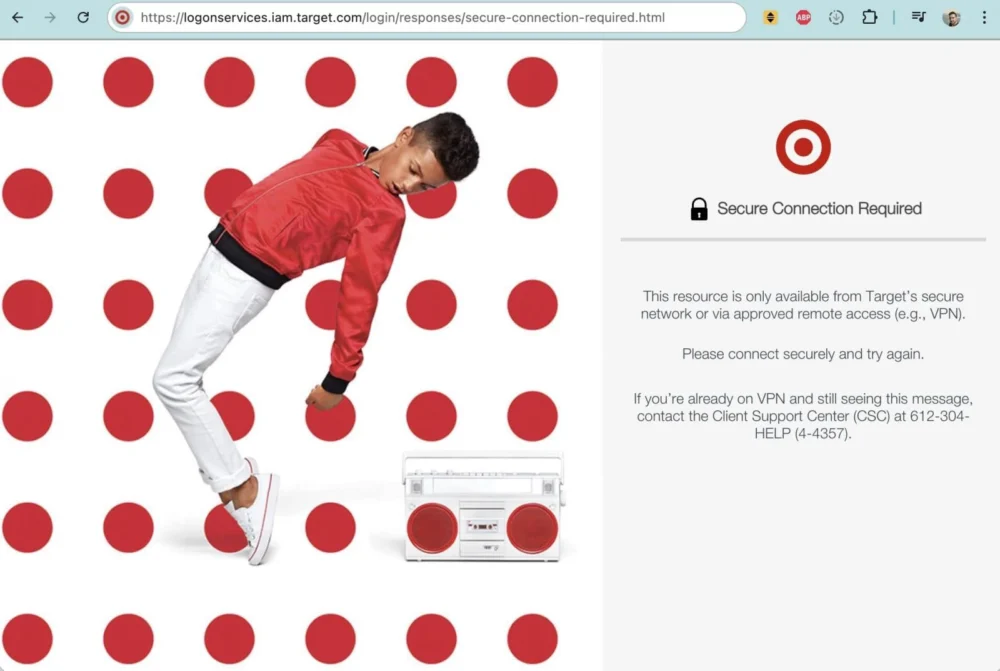
Reports have confirmed that Target Corporation’s internal source code and proprietary documentation have been accessed and subsequently offered for sale online by a malicious actor, prompting the retail giant to swiftly implement an "accelerated" security protocol that significantly restricts access to its enterprise Git server. This internal security measure, rolled out immediately following inquiries into the alleged data exposure, underscores the gravity of the situation, which has been corroborated by multiple current and former Target employees who independently verified the authenticity of the leaked materials. The incident highlights critical vulnerabilities in enterprise development environments and the pervasive threat of intellectual property theft.
The verification of the leaked materials by personnel with direct knowledge of Target’s intricate development infrastructure marks a significant development in the ongoing investigation into the purported breach. Initially, reports surfaced detailing claims by threat actors attempting to sell Target’s internal source code, supported by samples of purportedly stolen repositories published on a public software development platform. These samples, though limited in size, contained highly specific references that have since been independently confirmed by individuals intimately familiar with Target’s technological ecosystem.
Current and former Target employees provided crucial corroboration, identifying internal system names such as "BigRED" and "TAP [Provisioning]" within the leaked dataset. These designations are not generic; they refer to actual, proprietary platforms utilized by Target for orchestrating and deploying applications across both cloud-based and on-premise infrastructures. The specificity of these names lends considerable weight to the assertion that the data is genuinely sourced from Target’s internal systems. Furthermore, the disclosed technology stack, including references to Hadoop datasets, aligns precisely with the systems known to be in use internally. This includes a customized Continuous Integration/Continuous Delivery (CI/CD) platform built upon Vela, a detail that Target itself has previously acknowledged in public forums, as well as supply-chain infrastructure components like JFrog Artifactory, which has also been referenced in third-party business intelligence reports related to the company.
Beyond infrastructure components, the leaked materials also contained proprietary project codenames and taxonomy identifiers, referred to internally as "blossom IDs." The appearance of these unique, internal-only references further strengthens the evidence that the dataset is not a fabrication but an authentic reflection of Target’s real internal development environment. The confluence of these highly specific system names, technological components, and proprietary identifiers makes it exceptionally difficult to dismiss the leaked material as either generic code or a sophisticated fabrication. This level of detail typically resides deep within an organization’s proprietary knowledge base, accessible only to authorized personnel. The confirmation by multiple sources, independent of each other, leaves little room for doubt regarding the veracity of the exposed information.
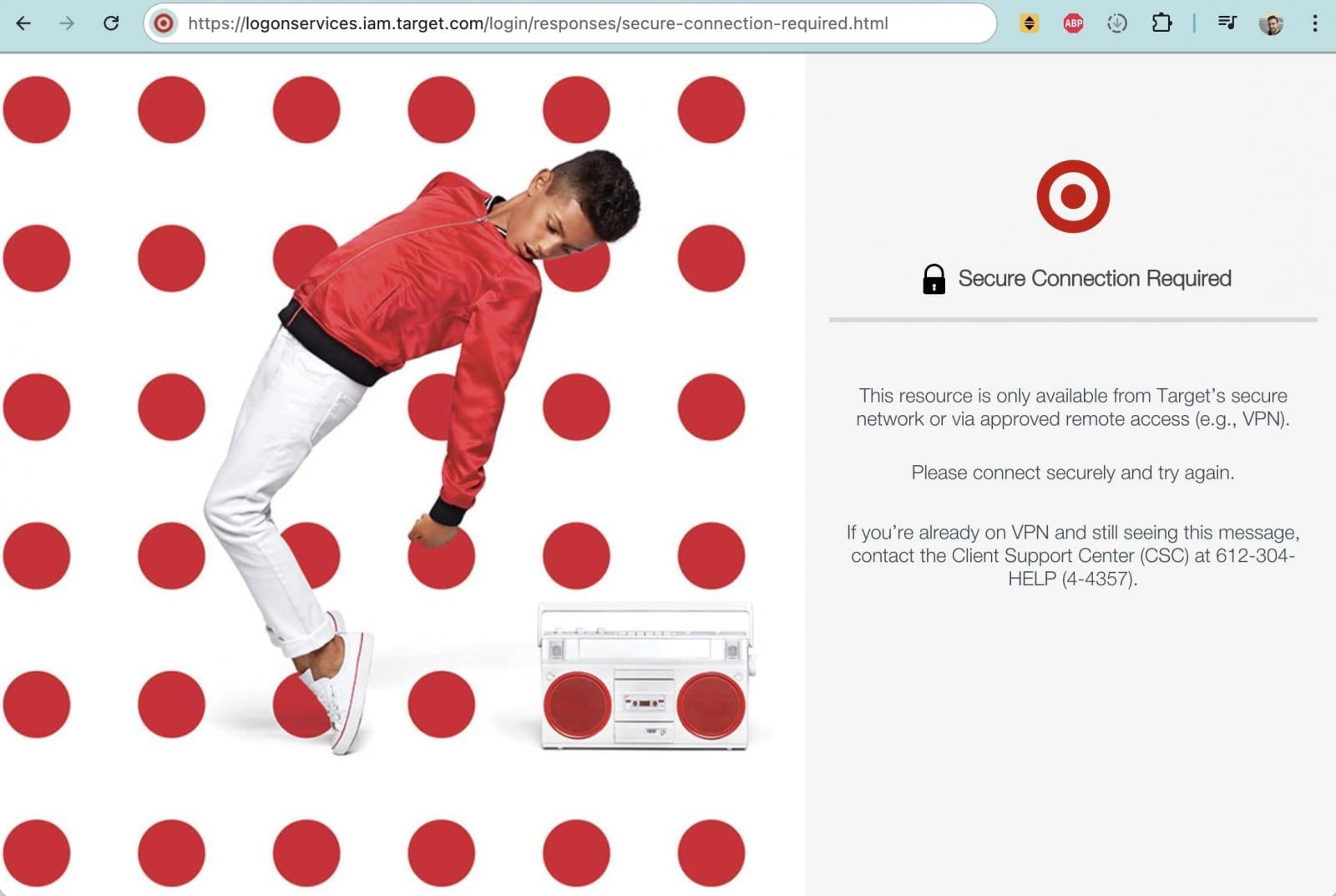
In response to these developments, Target initiated an "accelerated" security change, as detailed in internal communications shared by an anonymous current employee. This swift action, taken within a day of external inquiries about the alleged leak, involved restricting access to git.target.com, the company’s on-premise GitHub Enterprise Server. The directive mandated that access to this server now requires a connection to a Target-managed network, either on-site or via a corporate Virtual Private Network (VPN). This modification represents a critical shift in access policy; historically, git.target.com was accessible over the public internet, albeit requiring employee authentication, but it is now unreachable from outside Target’s fortified network perimeter. This move indicates an immediate and decisive effort to lock down access to proprietary source code and development environments, acknowledging a potential compromise or significant vulnerability.

Enterprise Git servers serve as central repositories for an organization’s intellectual property, housing the core code that underpins its operations, products, and services. While many companies host public open-source projects on platforms like GitHub.com, internal development, particularly for proprietary and sensitive applications, is typically confined to privately hosted instances like Target’s git.target.com. The transition from an internet-facing, authentication-gated system to an internally restricted, VPN-dependent access model signifies a critical incident response. Such rapid, company-wide security changes often reflect a high-priority threat assessment and an urgent need to mitigate potential ongoing unauthorized access or data exfiltration. The implications of such a lockdown extend beyond immediate security; it can temporarily disrupt developer workflows, requiring immediate adaptation to new access protocols, underscoring the severity of the perceived threat.
The precise root cause of how Target’s proprietary data ended up in the hands of a threat actor remains under active investigation, with several potential vectors being considered. One significant lead comes from security researcher Alon Gal, CTO and co-founder of Hudson Rock, whose team identified a Target employee workstation compromised by infostealer malware in late September 2025. This compromised endpoint reportedly had access to several critical internal services, including Identity and Access Management (IAM) systems, Confluence, Wiki, and Jira. The discovery is particularly relevant because, among numerous infected Target employee machines observed by Hudson Rock, very few exhibited access to IAM credentials, and only one other case showed Wiki access. Access to IAM systems is paramount, as it controls authentication and authorization across an organization’s IT infrastructure, potentially granting an attacker pathways to sensitive resources, including Git repositories. Confluence, Wiki, and Jira often contain extensive documentation, project plans, and architectural details, which could aid an attacker in understanding the compromised source code or identifying further targets within the network.
While there is no definitive confirmation linking this specific infostealer infection directly to the currently advertised source code leak, the timeline and scope of access are highly suggestive. Threat actors frequently exfiltrate data and credentials, then hold onto them for months before attempting to monetize or leak the information. A notable precedent is the Clop ransomware gang, which began extorting victims in October 2025 for data that had been stolen as early as July of the same year. This delayed monetization strategy is common, making the September 2025 infection a plausible, albeit unconfirmed, origin point for the current data exposure. Other possibilities include a direct external breach of a misconfigured Git server, exploiting vulnerabilities to gain unauthorized access, or an insider threat, where an authorized individual intentionally exfiltrated the data. The claimed full dataset size of approximately 860GB, significantly larger than the reviewed 14MB sample, raises profound questions about the potential breadth and sensitivity of the exposed information, extending far beyond the initially verified code fragments.
The implications of such a substantial source code leak for Target are multifaceted and potentially severe. Firstly, the exposure of proprietary code can provide competitors with invaluable insights into Target’s technological innovations, operational efficiencies, and strategic development initiatives, eroding its competitive edge. Secondly, and perhaps more critically, exposed source code can significantly expand Target’s attack surface. Malicious actors can analyze the code for vulnerabilities, misconfigurations, or hardcoded credentials, potentially leading to subsequent, more damaging breaches of customer data, financial systems, or operational infrastructure. The intellectual property contained within the code represents years of investment and strategic development, and its loss can have long-term financial and reputational repercussions.
Beyond immediate risks, such incidents trigger intense regulatory scrutiny and may lead to litigation if customer or employee data is indirectly compromised or if the breach reveals systemic security deficiencies. From an industry-wide perspective, this event underscores the paramount importance of securing every layer of the software development lifecycle, from developer endpoints to CI/CD pipelines and source code repositories. The complexity of modern enterprise IT environments necessitates robust security postures that include multi-factor authentication, zero-trust network architectures, advanced endpoint detection and response (EDR) solutions, continuous security auditing of development infrastructure, and comprehensive developer security awareness training. The incident at Target serves as a stark reminder that even sophisticated organizations are constantly targeted, and the protection of intellectual property and core operational code must be a perpetual, evolving priority. The ongoing investigation will undoubtedly yield further insights into the attack methodology and the full scope of the compromise, shaping future cybersecurity strategies for major corporations globally.



 Lisa Mariana
 Aura Kasih
 Ayu Aulia