Ridwan Kamil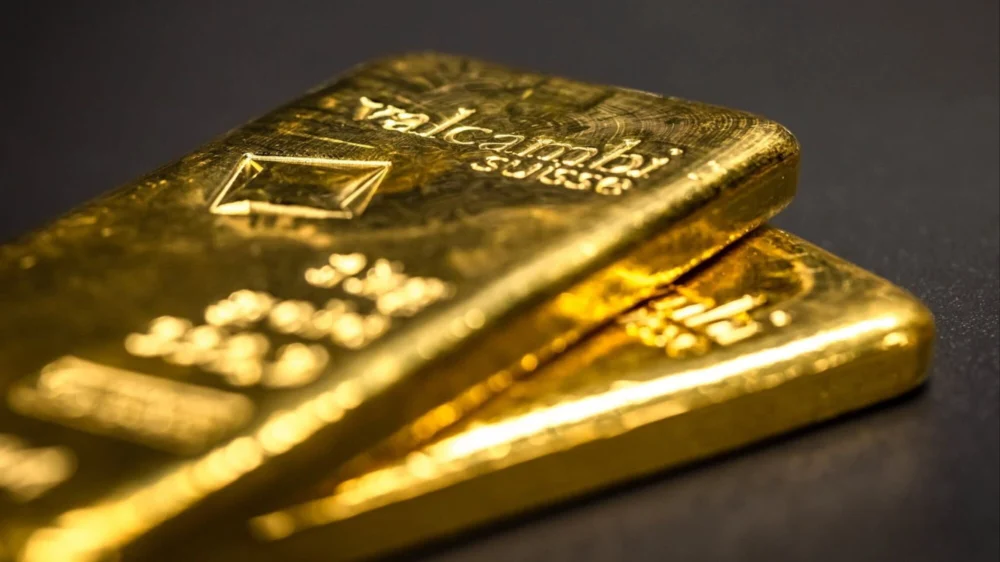
Gold prices have ascended to all-time highs, propelled by a weakening U.S. dollar and growing investor apprehension regarding the Federal Reserve’s perceived erosion of independence, signaling a complex interplay of geopolitical and economic forces influencing global capital markets.
The global financial landscape is currently witnessing a dramatic revaluation of safe-haven assets, with gold reaching unprecedented price levels. This surge is not a solitary event but rather a confluence of several potent economic and political currents. Foremost among these is the discernible weakening of the U.S. dollar, a traditional benchmark against which many commodities, including gold, are priced. As the dollar depreciates, it becomes more attractive for international investors to acquire dollar-denominated assets like gold, effectively driving up its price in other currencies.
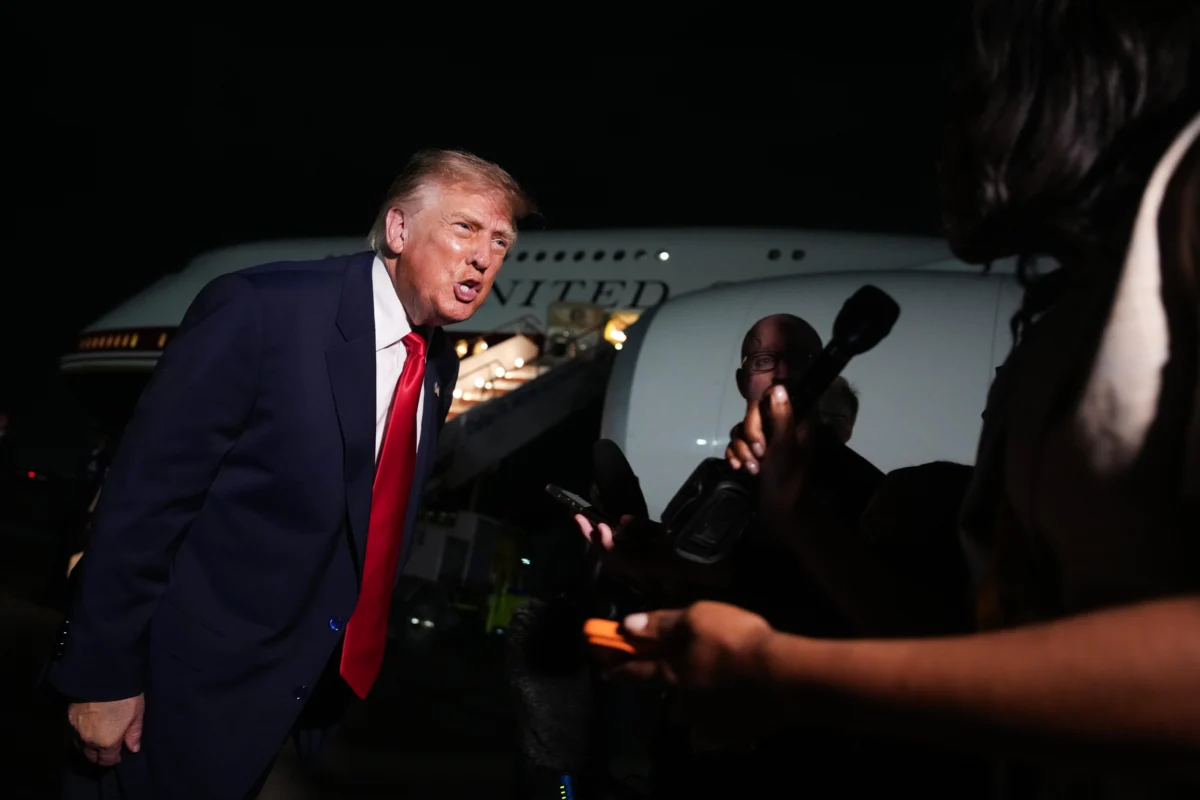
However, the underlying driver for this significant shift in investor sentiment appears to be a growing unease about the independence of the U.S. Federal Reserve. In recent times, concerns have been voiced by market participants and analysts alike regarding potential political pressures that might influence monetary policy decisions. The Federal Reserve, as the central bank of the United States, is designed to operate with a degree of autonomy, insulated from the short-term political cycles that can affect elected officials. This independence is crucial for maintaining the credibility of monetary policy and ensuring that decisions are based on economic fundamentals rather than political expediency.
When this independence is perceived to be compromised, it can sow seeds of doubt among investors about the Fed’s commitment to its dual mandate of price stability and maximum employment. If markets begin to suspect that the Fed might be swayed by political considerations, such as a desire to stimulate the economy ahead of an election or to appease specific interest groups, it can lead to uncertainty about the future trajectory of inflation and interest rates. This uncertainty, in turn, drives investors towards assets that are historically perceived as reliable stores of value during periods of economic and political instability. Gold, with its tangible nature and long history as a monetary metal, typically benefits from such an environment.
The weakening dollar can be attributed to a variety of factors, including shifting interest rate differentials between the U.S. and other major economies, changes in global trade dynamics, and indeed, the very concerns about the Fed’s policy independence. If investors anticipate that the Fed might adopt a more dovish stance than warranted by economic conditions due to political pressure, it could lead to a perception of higher future inflation, making the dollar less attractive. Furthermore, if other central banks are seen to be acting more decisively or predictably, capital may flow away from the U.S. dollar.
The implications of gold reaching record highs are far-reaching. For central banks, it signifies a potential shift in reserve asset management strategies. Many central banks hold significant portions of their foreign exchange reserves in U.S. dollars and U.S. Treasury securities. A sustained weakening of the dollar and a rise in gold prices could prompt a diversification of these reserves, with a greater allocation towards gold. This would further reinforce the upward pressure on gold prices and could have a ripple effect on the global financial system.
For individual investors, the allure of gold as a hedge against inflation and economic uncertainty becomes more pronounced. However, investing in gold also carries its own set of risks. While it can preserve wealth, it does not generate income, and its price can be volatile, influenced by a multitude of factors beyond monetary policy. The current surge in gold prices, while attractive, also raises questions about whether the market has overreacted to the perceived risks.
The concept of central bank independence is not merely an academic or theoretical construct; it has profound practical implications for economic stability. An independent central bank is better positioned to make difficult decisions, such as raising interest rates to combat inflation even if it leads to short-term economic slowdowns or job losses. This commitment to long-term economic health, rather than short-term political gains, is what underpins the credibility of monetary policy. When this credibility is questioned, the effectiveness of monetary policy itself can be diminished.
The current situation presents a challenging dilemma for policymakers. If the Fed is indeed facing political pressures, its ability to effectively manage inflation and maintain financial stability is hampered. This can create a self-fulfilling prophecy, where the very concerns about Fed independence lead to market behaviors that make its job harder. For instance, if markets anticipate inflationary policies due to political pressure, they may demand higher inflation premiums on bonds, leading to higher borrowing costs for the government and businesses, and further fueling inflation.
Looking ahead, the trajectory of gold prices and the U.S. dollar will likely remain closely tied to developments surrounding the Federal Reserve. Any clear signal from the Fed reaffirming its commitment to independence and data-driven policy would likely temper the rise in gold and support the dollar. Conversely, any further perceived encroachment on its autonomy or any policy decisions that appear to be politically motivated could lead to continued strength in gold and weakness in the dollar.
The global economic environment is already characterized by a complex web of challenges, including persistent inflation in many economies, geopolitical tensions, and the ongoing transition towards a more sustainable global economy. In such an environment, the stability and predictability of monetary policy are paramount. The current focus on the Federal Reserve’s independence underscores the critical role that credible and autonomous central banks play in navigating these turbulent times.
The demand for gold is also influenced by other factors, such as its use in jewelry and industrial applications. However, in recent times, its role as an investment asset, particularly as a safe haven, has been a dominant driver of price movements. The current market dynamics suggest that the investment demand for gold, driven by macroeconomic and geopolitical concerns, is significantly outweighing other demand segments.
The weakening of the U.S. dollar also has broader implications for international trade and finance. A weaker dollar can make U.S. exports cheaper for foreign buyers, potentially boosting American trade competitiveness. However, it can also lead to higher import costs for American consumers and businesses, contributing to inflation. Furthermore, a depreciating dollar can impact the value of U.S. dollar-denominated debt held by foreign entities, potentially leading to capital outflows.
The historical relationship between gold and the U.S. dollar is well-established. When the dollar weakens, gold prices tend to rise, and vice versa. This inverse correlation is a key reason why investors turn to gold as a hedge against currency depreciation. The current sustained weakness in the dollar suggests that the underlying economic and policy drivers are significant and potentially persistent.
The narrative around the Federal Reserve’s independence has become increasingly prominent in financial discourse. This is not to suggest that the Fed has definitively compromised its independence, but rather that the perception of such a risk is now a significant factor influencing market behavior. The central bank operates in a highly scrutinized environment, and any actions or communications that can be interpreted as being influenced by external pressures can have a swift and significant impact on investor confidence.
The sustained rise in gold prices also presents a challenge for governments aiming to control inflation. If gold is perceived as a superior store of value compared to fiat currencies, it can lead to a de-anchoring of inflation expectations, making the task of central banks more arduous. Therefore, maintaining the credibility of monetary policy and the stability of fiat currencies remains a critical objective for economic policymakers worldwide.
In conclusion, the current record highs in gold prices and the concurrent weakening of the U.S. dollar are symptomatic of a broader concern among global investors: the perceived erosion of the Federal Reserve’s independence. This situation highlights the delicate balance between political influence and monetary policy autonomy, and underscores the critical importance of an independent central bank in ensuring long-term economic stability and investor confidence. The future direction of these trends will hinge on the Federal Reserve’s ability to clearly articulate and demonstrably uphold its commitment to data-driven, independent monetary policy, thereby reinforcing the credibility of the U.S. dollar and mitigating the appeal of gold as the primary safe-haven asset. The market will be closely watching for any signals that either confirm or allay these deepening concerns.



 Aura Kasih
 Safa Marwah
 Ayu Aulia