Lisa Mariana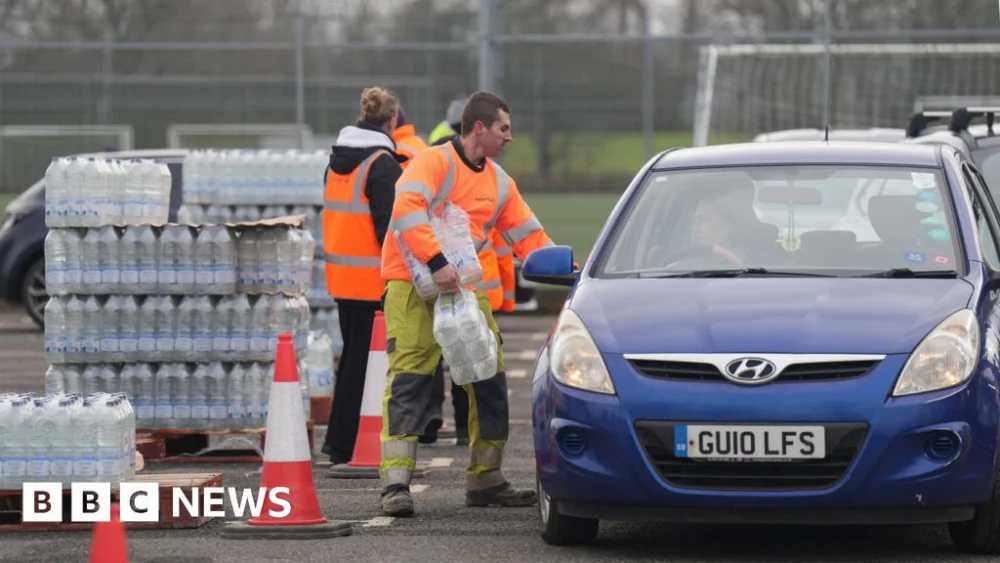
Tens of thousands of residents across vast swathes of East Sussex and Kent have commenced their working week without access to potable water, following a weekend marred by severe supply interruptions that prompted Kent County Council to declare a major incident. This extensive utility failure underscores critical vulnerabilities within regional infrastructure, triggering urgent responses from local authorities and igniting renewed public and political debate regarding the resilience and accountability of privatized essential services.
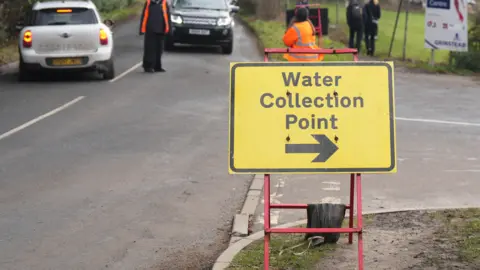
The disruption, affecting a significant portion of the region, has plunged numerous households, businesses, and public services into an unforeseen crisis. The primary service provider, South East Water (SEW), attributed the widespread outages to a confluence of factors, notably the impact of Storm Goretti, which led to a substantial power cut at a vital pumping plant. Beyond this meteorological event, SEW also cited "essential network changes" impacting areas like Eastbourne and an inability to secure "bulk supplies of treated water" from neighboring utility companies for regions such as Hollingbourne, pointing to a more complex, systemic fragility rather than an isolated incident. The immediate consequence has been a scramble for resources, with bottled water collection points established across affected zones and dire warnings that normal supply may not resume for some customers until Tuesday, prolonging the hardship for communities already stretched by the disruption.
The declaration of a "major incident" by Kent County Council leader Linden Kemkaran on a widely used social media platform signified the escalating severity of the situation. This designation is not merely symbolic; it triggers specific emergency protocols, enabling enhanced inter-agency coordination, the deployment of additional resources, and a more robust framework for addressing the crisis. Such declarations are reserved for events posing a significant threat to public health or safety, requiring a multi-faceted response beyond routine operations. The council’s proactive stance reflects a growing concern about the expanding geographical footprint of the outage and the potential for prolonged impact on critical community functions.
The ramifications of this widespread water loss have rippled through the affected communities, disrupting the fabric of daily life and posing considerable challenges to essential services. Numerous educational institutions across Kent and Sussex were forced to close their doors, leaving parents to contend with unexpected childcare arrangements and interrupting vital learning schedules. Public libraries, serving as community hubs, also ceased operations in areas like East Grinstead. Perhaps most critically, healthcare facilities such felt the strain; the Queen Victoria Hospital in East Grinstead, for instance, advised patients that some appointments might need to be conducted virtually and urged staff capable of remote work to do so, highlighting the precarious position of medical services when fundamental utilities fail. Emergency measures, including the deployment of water tankers to critical sites, were swiftly implemented to safeguard essential services, yet these represent stop-gap solutions rather than a return to normalcy.
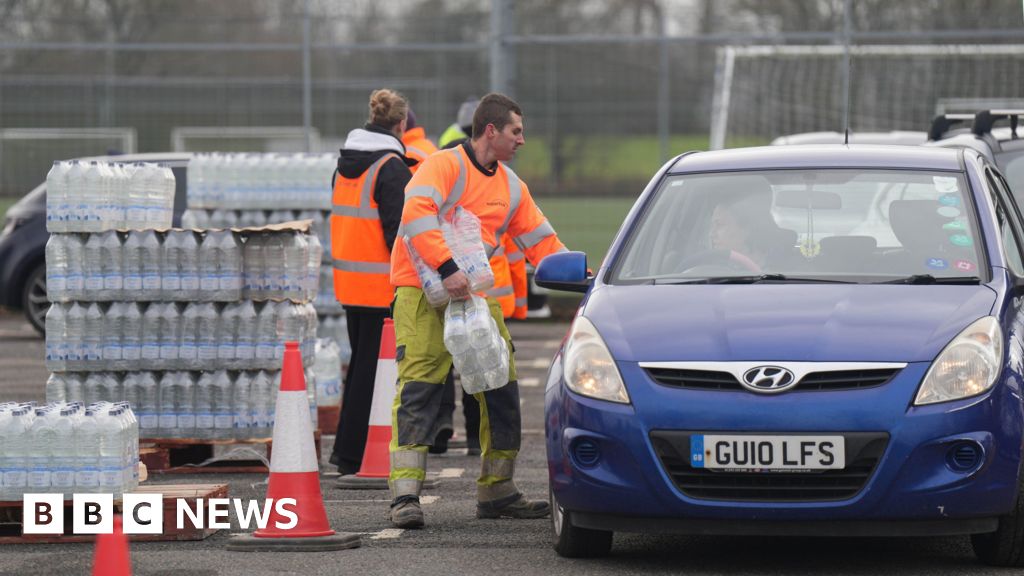
The logistical challenges associated with distributing emergency water supplies have been considerable. Images of long queues forming at bottled water collection points underscored the scale of public desperation and the operational complexities involved in meeting the basic needs of tens of thousands. These distribution efforts, managed by SEW personnel in high-visibility attire, have been critical in mitigating the immediate health risks, particularly for vulnerable populations registered on priority lists. However, the sheer volume of demand often outstripped initial supply, leading to frustrations and extended wait times, further exacerbating the sense of crisis within affected communities.
The immediate causes cited by South East Water—Storm Goretti and associated power outages—highlight a growing vulnerability of modern infrastructure to extreme weather events. Climate change projections consistently indicate an increase in the frequency and intensity of such storms, placing unprecedented stress on critical national infrastructure, including water treatment and distribution networks. Pumping stations, purification plants, and monitoring systems are heavily reliant on a stable electricity supply. A localized power failure, especially one prolonged by severe weather conditions hindering repair efforts, can cascade rapidly into a widespread water outage, demonstrating the intricate interdependencies within contemporary utility systems. This incident serves as a stark reminder that infrastructure resilience must encompass not only direct threats but also the robustness of interconnected services.

Beyond the immediate meteorological factors, the incident also implicitly raises questions about the underlying health and investment in the water infrastructure itself. References to "essential network changes" and an inability to secure "bulk supplies" from neighboring companies suggest deeper systemic issues that extend beyond a single storm. The UK’s water infrastructure, much of which dates back to Victorian times, is facing mounting pressure from an expanding population, aging pipes, and the imperative for environmental compliance. Underinvestment in maintenance and upgrades over decades can lead to a brittle system prone to failure under stress. While water companies are regulated and expected to invest in resilience, the balance between shareholder returns and infrastructure expenditure remains a perennial point of contention. The need for robust, interconnected networks capable of rerouting supplies or drawing from alternative sources during localized failures is paramount for ensuring consistent provision.
The political reaction to the crisis has been sharp and critical. Mike Martin, the Liberal Democrat MP for Tunbridge Wells, voiced significant concerns regarding the accountability of privatized water companies. His assertion that these entities "are accountable to no-one" reflects a widely held sentiment among the public and political figures when major service failures occur. The privatization of the UK’s water industry in 1989 was predicated on the promise of increased efficiency and private investment to modernize infrastructure. However, critics frequently argue that the model prioritizes profit extraction over public service and long-term infrastructure resilience. The regulatory body, Ofwat, is tasked with ensuring water companies provide a good service, protect the environment, and invest sufficiently. Yet, incidents like this prompt questions about the efficacy of current regulatory frameworks in preventing widespread disruptions and holding companies adequately accountable for failures.
This event underscores broader implications for national infrastructure policy. The UK government, through various departments and agencies, maintains oversight of critical national infrastructure and its resilience against various threats, including climate change, cyber-attacks, and physical damage. The incident in Kent and East Sussex will undoubtedly prompt a review of emergency preparedness plans, inter-utility cooperation protocols, and the adequacy of investment mandates for water companies. There is a pressing need for a holistic strategy that considers the interplay between energy, water, and communication networks to prevent cascading failures during adverse events. Furthermore, communication strategies during crises are vital; timely, accurate, and empathetic information from utility providers can significantly mitigate public anxiety and facilitate effective community response.
Looking ahead, addressing such vulnerabilities requires a multi-pronged approach. Substantial, sustained investment in infrastructure modernization is indispensable. This includes upgrading aging pipe networks, enhancing the resilience of pumping stations and treatment plants against power outages and extreme weather, and improving network interconnectivity to provide greater flexibility in supply. Water companies must demonstrate a clear commitment to capital expenditure that prioritizes resilience and reliability over short-term financial gains. Regulatory oversight by Ofwat needs to be robust, potentially with stricter penalties for service failures and clearer directives on investment priorities.
Furthermore, adapting to the impacts of climate change is no longer a future concern but a present necessity. Water companies must integrate climate resilience into their long-term planning, investing in measures such as improved flood defenses for critical sites, diversified water sources, and enhanced monitoring systems to predict and respond to extreme weather events. Public awareness campaigns also play a crucial role in fostering water conservation and preparedness among households, especially in areas prone to disruption.
In conclusion, the widespread water outage affecting tens of thousands in East Sussex and Kent represents more than just a temporary inconvenience; it is a critical litmus test for the resilience of the UK’s essential services and the efficacy of its regulatory and investment frameworks. While the immediate focus remains on restoring supply and supporting affected communities, the incident necessitates a deeper examination of infrastructure vulnerabilities, the long-term impacts of climate change, and the accountability of privatized utilities. A collaborative effort involving water companies, regulators, and government, underpinned by strategic investment and robust planning, will be essential to fortify these vital networks against future challenges and ensure reliable access to this most fundamental resource.




 Aura Kasih
 Safa Marwah
 Ayu Aulia