Ridwan Kamil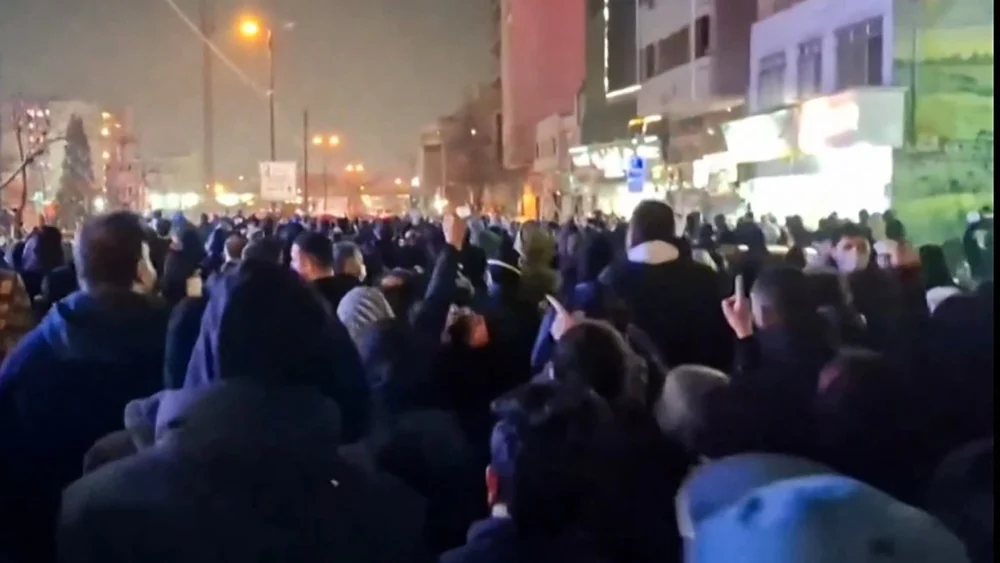
The Islamic Republic of Iran is confronting a critical juncture, with its leadership increasingly cornered by a confluence of domestic dissent and international isolation, significantly curtailing its room for maneuver and raising profound questions about its long-term viability.
The scaffolding of the Islamic Republic, once seemingly immutable, is now exhibiting visible signs of strain, not from a single catastrophic blow, but from a persistent and multifaceted erosion of its foundations. Decades of theocratic rule have cultivated a complex web of internal grievances, ranging from economic disenfranchisement to a deep-seated yearning for greater personal and political freedoms. These simmering resentments, often suppressed through stringent security measures, have periodically erupted into widespread protests, each wave revealing a deepening disillusionment with the ruling clerical establishment. The recent spate of demonstrations, fueled by economic hardship exacerbated by sanctions and a palpable desire for societal reform, underscores the growing disconnect between the regime and a significant portion of its populace, particularly the younger generation. This internal pressure cooker, while not yet at a critical boiling point, represents a constant threat to the regime’s stability, demanding an ever-increasing allocation of resources and attention towards domestic security and control.
Simultaneously, Iran’s engagement with the international community, particularly its nuclear program and regional policies, has placed it under a relentless barrage of economic sanctions. These sanctions, meticulously crafted and enforced by global powers, have had a debilitating effect on the Iranian economy, stifling trade, deterring foreign investment, and depreciating the national currency. The intended consequence is to cripple the regime’s financial capacity, limiting its ability to fund its strategic objectives and potentially compelling it towards concessions. However, the impact has been a dual-edged sword. While inflicting considerable pain, the sanctions have also galvanized a degree of nationalistic resilience within certain segments of the population and, crucially, have not yet translated into the regime’s collapse. Instead, they have contributed to a cycle of economic hardship that further fuels domestic discontent, creating a feedback loop that intensifies the regime’s predicament.
The geopolitical landscape surrounding Iran further complicates its strategic calculus. The Islamic Republic has long pursued a regional policy characterized by its support for proxy groups and its assertive posture against perceived adversaries, notably Israel and Saudi Arabia. This foreign policy, while intended to project power and secure its interests, has led to increased regional tensions and international condemnation. The ongoing conflicts and proxy wars in Yemen, Syria, and Lebanon, where Iran plays a significant role, drain its resources and further alienate it from the global stage. Furthermore, its nuclear ambitions have remained a persistent point of contention, leading to repeated diplomatic deadlocks and the tightening of international sanctions. The regime’s adherence to its nuclear program, despite the economic consequences, suggests a strategic calculation that nuclear capability, or the perceived proximity to it, is a vital component of its security and a bargaining chip in its international relations. However, this pursuit has also galvanized a strong international consensus against it, leading to a unified front of economic and diplomatic pressure.
The internal dissent, while varied in its specific demands, coalesces around a fundamental critique of the clerical rule. The economic hardships, including high inflation, unemployment, and a widening wealth gap, have created a fertile ground for popular discontent. The government’s inability to effectively address these issues, often attributed to corruption, mismanagement, and the diversion of resources to foreign policy objectives, further erodes public trust. Beyond economic grievances, there is a deep-seated aspiration for greater social and political freedoms. The restrictions on personal liberties, freedom of expression, and the suppression of dissent have created a generation that is increasingly vocal in its demands for change. The pervasive influence of social media and access to information from the outside world have amplified these desires, making it more challenging for the regime to maintain its narrative and control the flow of information. The cyclical nature of protests, from the Green Movement in 2009 to the widespread demonstrations of 2017-18 and the Mahsa Amini protests of 2022, illustrates a persistent and evolving challenge to the regime’s legitimacy. Each wave, while perhaps not achieving its immediate objectives, leaves behind a residue of emboldened activists and a more aware populace, contributing to a long-term erosion of the regime’s control.
The international sanctions, meticulously implemented by the United States and its allies, represent a formidable external pressure. The Comprehensive Iran Sanctions, Accountability, and Divestment Act (CISADA) and subsequent executive orders have targeted key sectors of the Iranian economy, including its oil exports, financial institutions, and access to international markets. The impact has been profound, leading to a significant contraction of Iran’s gross domestic product and a sharp decline in its foreign exchange reserves. The stated objective of these sanctions is not regime change, but rather to compel Iran to abandon its destabilizing regional activities and its pursuit of nuclear weapons. However, the long-term economic strain has inadvertently fueled domestic resentment, creating a volatile environment where economic hardship can easily translate into political unrest. The regime’s ability to circumvent some sanctions through informal networks and illicit trade has provided a degree of resilience, but it has come at the cost of further entrenching corruption and creating a shadow economy that benefits a select few. The effectiveness of sanctions as a tool for diplomatic leverage is a subject of ongoing debate, but in Iran’s case, they have undoubtedly contributed to a severe deterioration of its economic well-being, creating a tangible link between the regime’s policies and the daily struggles of its citizens.
Iran’s regional posture has been a defining element of its foreign policy since the 1979 revolution. Its support for Shia militias and proxies across the Middle East, from Hezbollah in Lebanon to the Houthi rebels in Yemen, has been a cornerstone of its strategy to project influence and counter its rivals. This "axis of resistance" has allowed Iran to exert leverage and maintain a strategic presence in areas far beyond its borders. However, this policy has also come at a significant financial and diplomatic cost. The resources channeled into these proxy conflicts could otherwise be directed towards domestic development, and the persistent regional instability generated by these activities has further isolated Iran from many of its Arab neighbors and the international community. The ongoing conflict in Syria, where Iran has been a key supporter of the Assad regime, has been a particularly costly endeavor, both in terms of financial investment and human lives. Similarly, its involvement in Yemen has deepened regional divisions and exacerbated a devastating humanitarian crisis. The perception of Iran as a destabilizing force in the region, amplified by its nuclear program, has led to a strengthening of alliances among its rivals, most notably the Abraham Accords, which have normalized relations between Israel and several Arab states. This strategic encirclement, coupled with the ongoing proxy conflicts, presents a significant challenge to Iran’s regional ambitions and further limits its diplomatic options.
The nuclear program, a persistent source of international tension, remains a critical factor in Iran’s isolation. The Joint Comprehensive Plan of Action (JCPOA), signed in 2015, offered a pathway to sanctions relief in exchange for limitations on Iran’s nuclear activities. However, the US withdrawal from the JCPOA in 2018 and the subsequent re-imposition of stringent sanctions have plunged the issue back into crisis. Iran’s decision to accelerate its uranium enrichment and expand its nuclear capabilities in response has been met with international condemnation and a heightened risk of military escalation. The regime’s strategic calculus appears to be that nuclear proximity, if not outright capability, serves as a deterrent and a bargaining chip. However, this path has led to an intensification of sanctions and has alienated key international partners who were previously willing to engage in diplomacy. The current impasse in negotiations suggests that both sides are entrenched in their positions, with Iran unwilling to make significant concessions on its nuclear program and the international community reluctant to offer substantial sanctions relief without verifiable assurances. This nuclear standoff continues to cast a long shadow over Iran’s prospects for reintegration into the global economy and its ability to secure its long-term future.
The convergence of these pressures—internal dissent, economic hardship, international sanctions, and geopolitical isolation—creates a complex and challenging environment for the Iranian leadership. The regime’s traditional responses, such as suppression of dissent and defiance of international pressure, have proven increasingly unsustainable. The economic pain inflicted by sanctions is not only depleting the nation’s resources but also fueling the very discontent the regime seeks to quell. The regional entanglements, while designed to project power, have instead led to a strategic tightening of the noose, with rivals consolidating their positions and international scrutiny intensifying. The nuclear program, far from securing Iran’s position, has become a focal point of global opposition, further limiting its diplomatic and economic horizons.
Looking ahead, the options available to the Iranian regime appear increasingly constrained. A sustained period of economic stagnation and deepening public dissatisfaction could lead to further unrest, potentially overwhelming the regime’s security apparatus. Continued defiance on the nuclear front risks further international isolation and could escalate tensions to a dangerous point. A significant shift in regional policy, while potentially alleviating some external pressure, would represent a fundamental challenge to the core tenets of the Islamic Revolution and may be met with internal resistance. The regime’s capacity to adapt to these multifaceted challenges will be a critical determinant of its future trajectory. The historical resilience of the Islamic Republic should not be underestimated, but the current confluence of internal and external forces presents a unique and escalating set of challenges that are testing the very foundations of its authority. The off-ramps for the current leadership are narrowing, and the path forward is fraught with uncertainty, demanding a careful recalibration of its domestic and foreign policies if it is to navigate this critical juncture.

 Aura Kasih
 Safa Marwah
 Ayu Aulia