Ridwan Kamil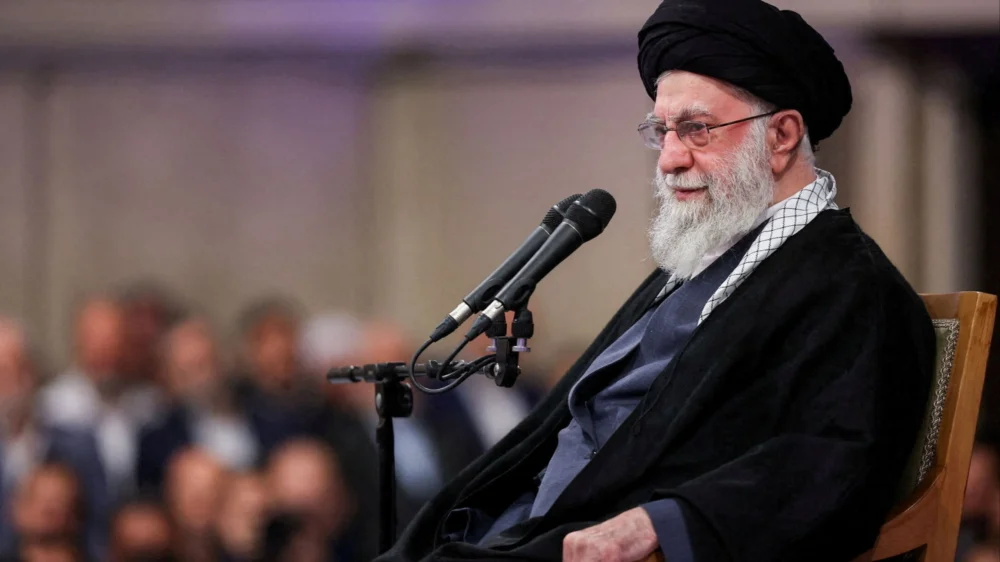
The Iranian military has issued a stern declaration, vowing to safeguard the nation’s vital infrastructure against any threats as widespread protests continue to gain momentum across the country. This assertive stance from the armed forces underscores the deepening domestic turmoil and the government’s heightened concern over the potential for significant disruption to essential services and strategic installations.
The ongoing wave of demonstrations, ignited by a complex interplay of economic grievances, social restrictions, and political disillusionment, has presented the Islamic Republic with one of its most significant internal challenges in years. While official narratives often attribute the unrest to external interference and foreign-backed agitators, the sheer scale and persistence of public dissent suggest a deeper wellspring of discontent. The military’s pronouncement, therefore, can be interpreted as a clear signal of the regime’s determination to maintain control by any means necessary, particularly by securing the physical foundations of the state’s authority and economic capacity.
A Nation Under Pressure: The Escalating Protests and Their Roots
The current surge in protests is not a monolithic event but rather a multifaceted expression of public anger. While specific triggers may vary, underlying factors contributing to the widespread discontent include decades of economic mismanagement, compounded by the crippling impact of international sanctions. Inflation has soared, eroding the purchasing power of ordinary Iranians, while unemployment, particularly among the youth, remains a persistent challenge. This economic precarity has fueled frustration, creating fertile ground for broader dissent.
Beyond economic hardship, deeply ingrained social and cultural grievances have also played a significant role. Restrictions on personal freedoms, particularly for women, have been a long-standing source of contention. The perceived lack of political representation and the suppression of dissenting voices further exacerbate feelings of marginalization and alienation among significant segments of the population. The current protests have seen women taking a leading role, boldly challenging long-standing societal norms and demanding fundamental rights, making the movement particularly resonant and difficult to dismiss as mere fringe activism.
The government’s response to these protests has been characterized by a mixture of concessions and crackdowns. While some officials have acknowledged the underlying economic issues, the primary reaction from security forces has been to quell demonstrations with force. This approach, while aimed at restoring order, has often served to further inflame public anger and deepen the divide between the state and its citizens. The military’s vow to protect infrastructure can be seen as an escalation of this security-centric strategy, indicating a readiness to deploy significant resources to prevent any perceived threat to the nation’s operational capacity.
Defining "Strategic Infrastructure": A Multifaceted Threat Landscape
The term "strategic infrastructure" encompasses a broad range of critical assets essential for the functioning of the state and the economy. This includes, but is not limited to, energy facilities such as oil and gas refineries, power grids, and transmission lines, which are vital for both domestic consumption and export revenues. Transportation networks, including major highways, railways, and ports, are equally crucial for the movement of goods and people. Communication systems, encompassing telecommunications networks and internet infrastructure, are also considered strategic, enabling state control and information dissemination. Furthermore, sensitive industrial complexes, government buildings, and military installations fall under this umbrella, representing the physical embodiment of state power and national security.
The military’s pledge to protect these assets suggests a recognition of the potential for protests to directly target or inadvertently disrupt these vital components. This could manifest in various ways, from organized attempts to sabotage facilities to widespread civil disobedience that impedes the operation of essential services. The government likely fears that a sustained disruption of critical infrastructure could lead to a collapse of public order, economic paralysis, and a severe blow to its legitimacy.
Military Involvement: A Double-Edged Sword
The explicit involvement of the military in quelling domestic unrest is a significant development. While paramilitary forces like the Islamic Revolutionary Guard Corps (IRGC) and its associated Basij militia have historically been instrumental in internal security operations, the broader Iranian armed forces are typically seen as a more conventional military entity. Their direct engagement in policing protests suggests a perceived escalation of the threat to a level that conventional security forces may be deemed insufficient to manage.
This deployment of military assets carries inherent risks. It can be interpreted as a sign of desperation by the government, signaling that the situation has become dire. Moreover, the presence of heavily armed military personnel in civilian areas can heighten tensions, potentially leading to more violent confrontations. The use of force against its own citizens, particularly by the regular army, can also have long-term implications for the military’s relationship with the populace and its own internal cohesion.
From an analytical perspective, the military’s commitment to protecting infrastructure suggests a strategic calculation. By prioritizing the preservation of these assets, the regime aims to maintain its capacity to govern and project power, even amidst widespread dissent. It also serves as a deterrent, signaling to protesters that any attempts to disrupt these critical systems will be met with a firm and potentially severe response.
Expert Analysis: Underlying Dynamics and Potential Ramifications
The current situation in Iran is emblematic of a broader trend observed in authoritarian or semi-authoritarian states facing significant internal pressures. Economic hardship, coupled with a lack of political freedoms, often creates a volatile environment where grievances can quickly coalesce into widespread protests. The regime’s reliance on security forces to maintain control, while effective in the short term, often proves unsustainable in the long run.
Analysts point to several key dynamics at play:
- The Role of Sanctions: International sanctions have undoubtedly exacerbated Iran’s economic woes, limiting its ability to generate revenue and invest in its economy. However, critics argue that domestic policies and corruption have also played a significant role in the country’s economic difficulties. The interplay between external pressure and internal governance is a complex factor that continues to shape the political and economic landscape.
- Generational Divide: There appears to be a significant generational divide within Iran, with younger generations, who have grown up under the current regime, exhibiting a greater desire for social and political change. Their access to information through social media and their exposure to global trends further fuel their aspirations for a different future.
- The IRGC’s Influence: The IRGC, a powerful ideological and military organization, wields considerable influence within Iran. Its deep involvement in both the economy and security apparatus means that any significant shift in the country’s political direction would likely face considerable resistance from this powerful faction. The military’s vow to protect infrastructure could be seen as aligning with the IRGC’s broader mandate to preserve the Islamic Republic.
- Information Control: The Iranian government has historically maintained tight control over information, censoring media and restricting internet access. However, the pervasive use of social media has made it increasingly difficult to completely suppress dissent and control the narrative. This creates a constant struggle between the state’s efforts to shape public opinion and the public’s ability to access and disseminate alternative information.
The ramifications of the military’s pledge are significant. If protests continue to escalate and directly threaten strategic infrastructure, the potential for widespread violence increases dramatically. This could lead to a severe crackdown, potentially resulting in a high death toll and further alienating the population. Conversely, if the military’s show of force proves to be an effective deterrent, it could lead to a temporary suppression of dissent, allowing the government to regain a semblance of control. However, this would likely not address the underlying grievances, sowing the seeds for future unrest.
Future Outlook: A Precarious Equilibrium
The immediate future of Iran hinges on the ability of the government to manage the escalating protests while simultaneously addressing the deep-seated economic and social discontent. The military’s commitment to protecting infrastructure signals a willingness to employ robust measures to maintain stability. However, the long-term sustainability of such an approach remains questionable.
A potential future scenario involves a protracted period of simmering unrest, punctuated by periodic outbreaks of more intense demonstrations. The government may attempt to implement limited economic reforms or make superficial concessions to appease the population, but without fundamental changes to its political system or its approach to governance, these measures are unlikely to resolve the core issues.
Another possibility is a further consolidation of power by hardline factions within the regime, leading to an even more repressive environment. This could involve increased surveillance, stricter censorship, and a more aggressive use of force against any perceived threats. Such a path would likely lead to further international condemnation and could deepen Iran’s isolation.
Conversely, sustained and widespread public pressure, coupled with potential internal divisions within the ruling elite, could eventually force a more significant shift. However, such a transition would likely be complex and fraught with uncertainty, potentially leading to periods of instability.
The military’s vow to protect "strategic" infrastructure is a clear indication of the high stakes involved in the current domestic crisis. It underscores the regime’s determination to preserve its foundational elements, even as the tide of public discontent continues to rise. The coming weeks and months will be crucial in determining whether this assertive stance leads to a de-escalation of tensions or a further descent into a more volatile and potentially dangerous phase. The resilience of the Iranian people, their ability to mobilize and sustain their protests, and the ultimate response of the state will shape the trajectory of the nation’s future.

 Aura Kasih
 Safa Marwah
 Ayu Aulia