Safa Marwah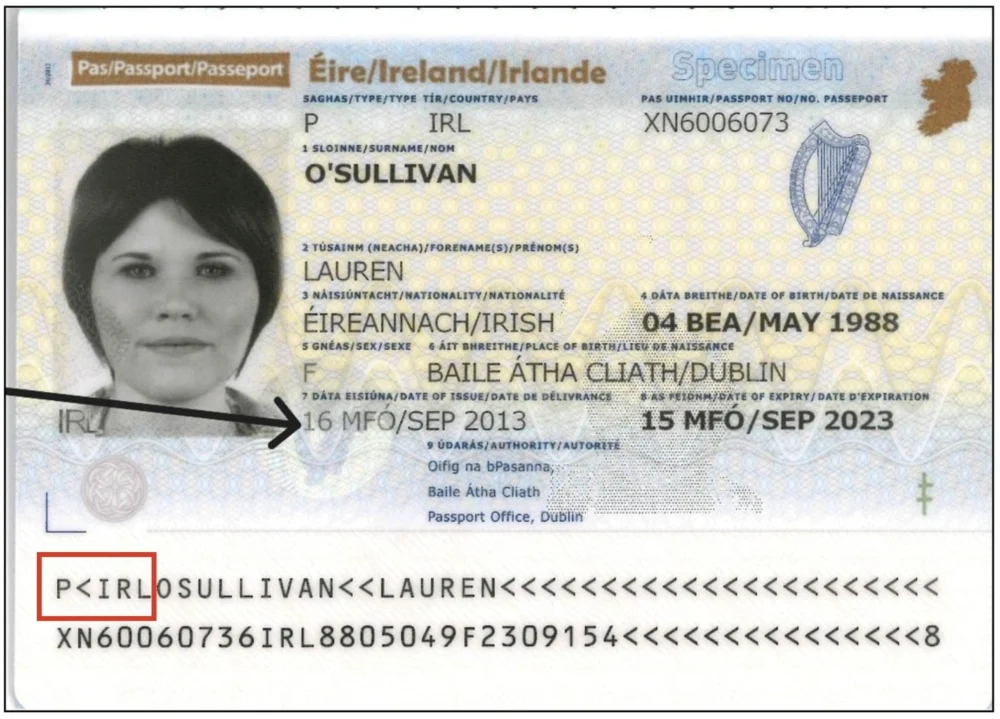
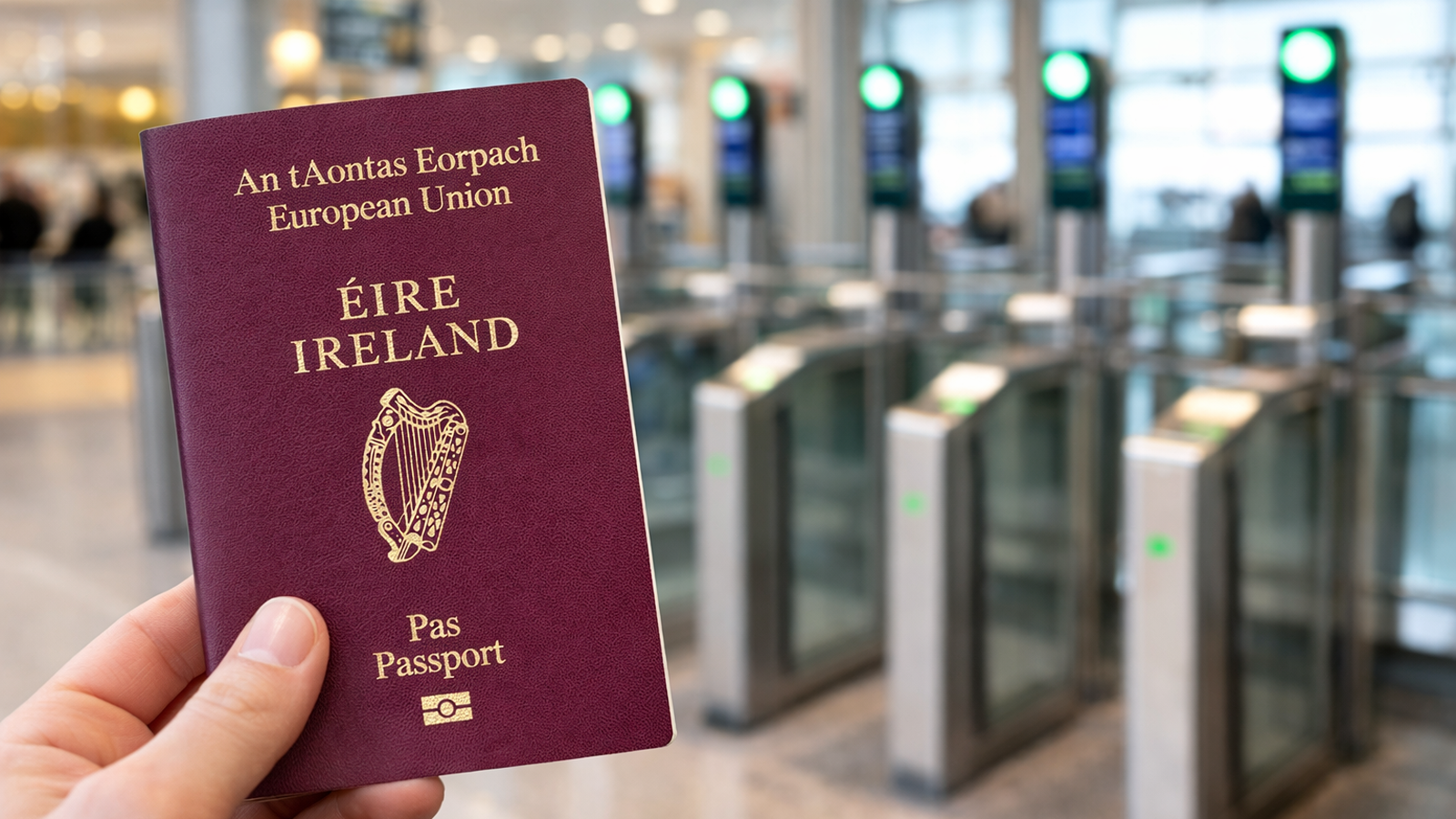
The Republic of Ireland’s Department of Foreign Affairs has commenced an extensive recall of nearly 13,000 national passports, a decisive measure prompted by a critical printing defect rendering the travel documents non-compliant with stringent international aviation standards and potentially invalidating them for automated border processing worldwide. This significant operational challenge, attributed to a recent software update within the passport issuance system, has necessitated a swift governmental response to mitigate widespread travel disruption and uphold the integrity of Irish identity documentation on a global stage.
The Unforeseen Glitch: A Technical Breakdown
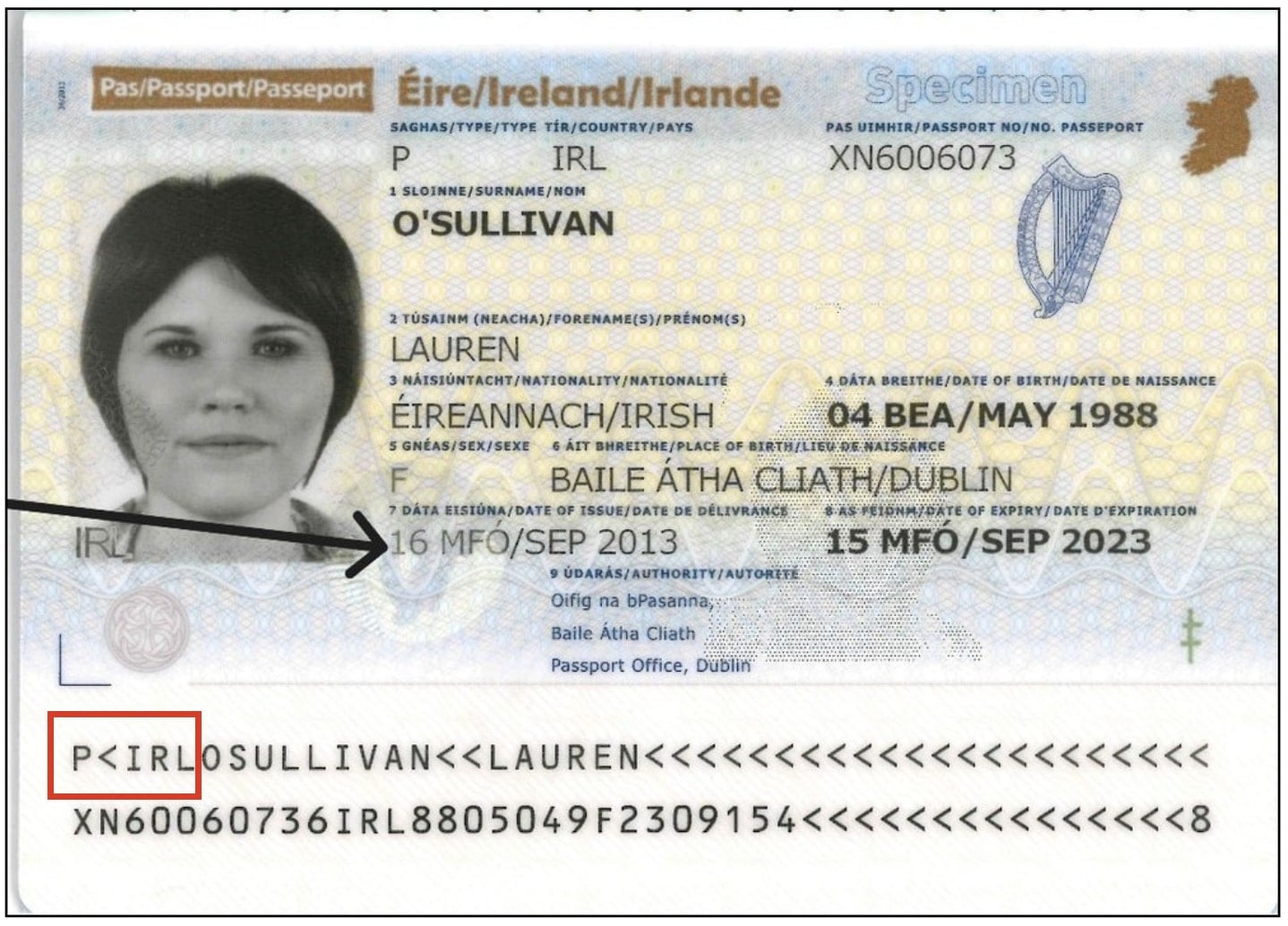
At the heart of this unprecedented recall lies a specific, yet profoundly impactful, technical anomaly: the potential absence or malformation of the three-letter country code "IRL" within the machine-readable zone (MRZ) of recently issued passports. This subtle yet critical omission, occurring in documents processed between December 23 and January 6, has far-reaching implications. The Department of Foreign Affairs confirmed that a software update, intended to enhance or streamline the printing process, inadvertently introduced this flaw. While the visual biographical page of the passport, complete with photographic identification and personal data, might appear entirely normal to the casual observer, the underlying machine-readable data is compromised. This defect poses a substantial risk to international travel, as these passports may be rejected by electronic gates (eGates) and other automated border control systems increasingly relied upon by customs and immigration authorities globally.
The Indispensable Role of ICAO Standards and the MRZ
To fully grasp the gravity of this situation, an understanding of the International Civil Aviation Organization (ICAO) and its foundational role in global travel documentation is essential. ICAO, a specialized agency of the United Nations, establishes the internationally recognized standards and recommended practices for secure, interoperable travel documents, primarily detailed in its comprehensive Doc 9303, "Machine Readable Travel Documents." This document meticulously outlines the specifications for passports, visas, and other travel papers to ensure they can be efficiently and reliably processed across diverse national borders.
A cornerstone of ICAO’s framework is the Machine-Readable Zone (MRZ), a standardized block of characters typically located at the bottom of the passport’s biographical page. The MRZ is not merely an auxiliary feature; it is the primary interface through which automated systems extract critical traveler data. This zone encodes vital information such as the document type, the issuing state (represented by its three-letter code, e.g., "IRL" for Ireland), the passport number, the holder’s nationality, date of birth, sex, and the document’s expiry date. Crucially, the MRZ also incorporates checksums – single-digit numbers derived from calculations on specific data fields – designed to verify the integrity and accuracy of the encoded information. Any deviation from these precise specifications, such as a missing or incorrect country code, immediately renders the document non-compliant. Automated systems are programmed to rigorously validate every character and checksum within the MRZ; a single error can trigger an automatic rejection, flagging the document as potentially fraudulent or invalid. This rigid adherence to standards is paramount for global security, facilitating rapid verification and preventing the entry of individuals with tampered or unreadable documents.
The absence of the "IRL" code directly contravenes ICAO Doc 9303, Chapter 3, which mandates the inclusion of the three-letter code of the issuing State or organization. Without this critical identifier, a passport effectively loses its machine-readability for automated systems. Even human border agents, while able to visually inspect the document, might encounter significant delays if their systems cannot process the MRZ, leading to manual checks that bottleneck immigration lines and create an undesirable level of scrutiny for the traveler.
Immediate Impact and Traveler Disruption
The Department of Foreign Affairs’ announcement of a global alert through ICAO underscores the seriousness with which this issue is being treated. For the nearly 13,000 Irish citizens holding these affected passports, the recall translates into significant inconvenience and potential travel complications. While the government has assured that replacements will be issued free of charge and within approximately 10 working days, the timing of the defect—spanning the busy holiday travel period—means many individuals may have already embarked on international journeys or have imminent travel plans.
Travelers with affected passports face a spectrum of risks:
- eGate Rejection: The most immediate and probable issue is outright rejection at automated border control gates, which are increasingly common in major international airports. This would necessitate manual processing, causing delays and potential embarrassment.
- Airline Check-in Complications: Some airlines utilize similar scanning technologies during check-in, which could flag the non-compliant passport, leading to delays or even refusal to board.
- Border Agent Scrutiny: Even if an eGate is bypassed, human border control officers, upon scanning the MRZ, would identify the non-compliance. While they might ultimately allow entry after manual verification, the process would be prolonged and could raise questions about the document’s authenticity, potentially leading to further questioning or secondary inspections.
- Travel Plan Disruptions: For those with immediate travel plans, the waiting period for a replacement passport could force cancellations, rescheduling, and associated financial losses. Overseas residents, particularly, face the logistical challenge of returning their documents and awaiting replacements from abroad.
- Reputational Damage: While minor, the incident could momentarily cast a shadow on the perceived reliability of Irish travel documents, albeit one quickly rectified by the recall.
The government’s proactive communication, including a dedicated email address ([email protected]) and a contact number (+353 (0) 1 613 1780) for urgent queries, aims to mitigate these disruptions, providing a clear pathway for affected citizens to resolve the issue.

Governmental Response and Logistics of Remediation
The Department of Foreign Affairs has responded with a comprehensive plan to address the recall. The core strategy involves requesting all affected passport holders to return their documents – both passport books and any associated passport cards – for a complimentary replacement. This centralized approach ensures that all non-compliant documents are systematically removed from circulation and replaced with fully compliant versions.
The commitment to a 10-working-day turnaround for new documents is an ambitious target, particularly given the volume of passports involved and the inherent logistical complexities of secure document production and distribution. This timeline suggests a significant allocation of resources to the Passport Office to expedite the process. The explicit instruction that holders "do not need to reapply for a new passport" simplifies the administrative burden on citizens, minimizing the paperwork required to rectify the error. This streamlined process is crucial for maintaining public confidence and facilitating a smooth transition.
The decision to issue a global alert through ICAO is a critical step in international diplomacy and security. It proactively informs border authorities worldwide about the specific defect, allowing them to adjust their procedures if necessary and understand the context behind any flagged Irish passports, thereby reducing potential friction for travelers during the interim period before replacements are fully distributed.
Broader Implications and Precedent
Such a large-scale recall of national travel documents is an infrequent occurrence, underscoring the severity of the underlying technical flaw. While not a direct security breach in the sense of data compromise, the failure to meet ICAO standards for machine-readability touches upon the fundamental integrity of state-issued identity documents. A passport’s primary function is to serve as a universally recognized and trusted proof of identity and nationality, enabling seamless passage across international borders. Any defect that undermines its machine-readability erodes this trust, however slightly, and necessitates immediate and robust corrective action.
The incident serves as a stark reminder of the intricate interplay between advanced technology, stringent international standards, and robust quality control in the production of secure travel documents. In an increasingly digital world where national security and border management rely heavily on automated systems, even a minor software glitch can have significant and widespread ramifications. This event will undoubtedly prompt an internal review of software deployment protocols, quality assurance processes, and pre-production testing within the Passport Office to prevent similar occurrences in the future.
Preventing Future Occurrences and Upholding Trust
Looking forward, the incident highlights the critical need for multi-layered quality assurance protocols in the production of high-security documents. This includes:
- Rigorous Software Testing: Implementing comprehensive testing regimes, including stress testing and real-world scenario simulations, before deploying any software updates to critical production systems.
- Automated and Manual Verification: Employing both automated systems for batch checking and manual human verification for samples of produced documents to catch anomalies that might bypass initial digital checks.
- Redundant Checks: Establishing redundant verification points throughout the production line to ensure that errors are identified and rectified at the earliest possible stage.
- Vendor Management: Ensuring that any third-party software providers or hardware manufacturers adhere to the highest standards of quality control and compliance.
The Irish Department of Foreign Affairs’ swift and transparent handling of this recall is crucial for maintaining public trust in the national passport system. By openly acknowledging the error, outlining a clear remediation plan, and committing to expedited replacements, the government aims to minimize disruption and reaffirm its dedication to providing secure and internationally compliant travel documents. This incident, while challenging, ultimately reinforces the global commitment to robust and standardized travel documentation, vital for both national security and the facilitation of international movement.
Conclusion
The recall of almost 13,000 Irish passports due to a missing ‘IRL’ code represents a significant operational challenge for the Department of Foreign Affairs, underscoring the critical importance of technical precision and adherence to international standards in the issuance of national identity documents. While the immediate focus is on the logistical task of replacing the non-compliant passports and mitigating travel disruptions for affected citizens, the broader implications extend to the rigorous oversight required for secure document production in the digital age. The swift governmental response, coupled with clear communication and a streamlined replacement process, is vital in upholding the integrity of the Irish passport and ensuring continued confidence in its global acceptance. This incident serves as a salient case study in the complexities of modern governmental service delivery, where a seemingly minor technical flaw can trigger a widespread national and international response.


 Lisa Mariana
 Aura Kasih
 Ayu Aulia