Ridwan Kamil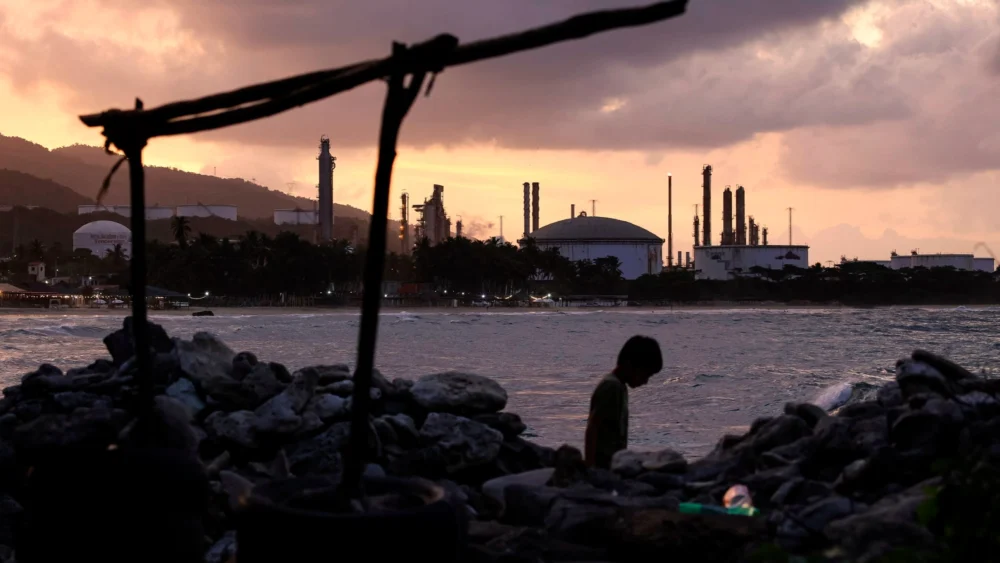
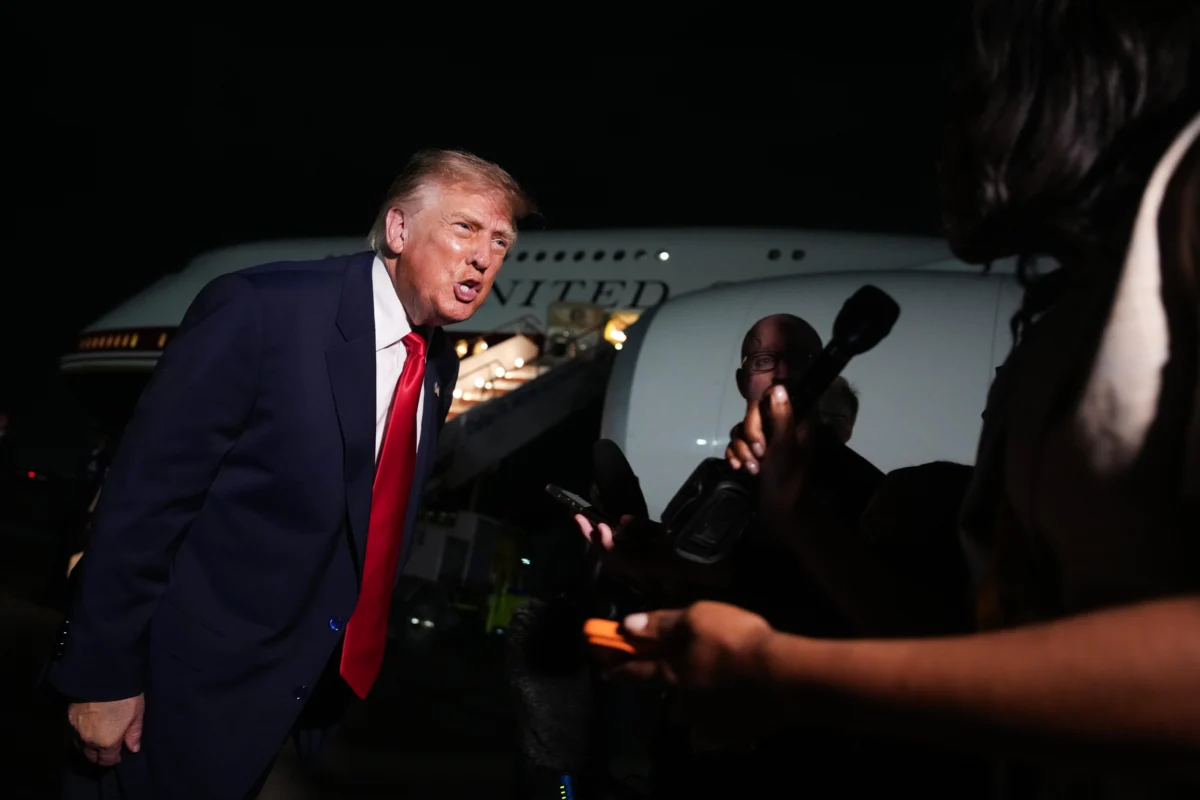
In a bold and potentially destabilizing foreign policy declaration, former U.S. President Donald Trump has announced his intention to divert sanctioned Venezuelan oil to American ports, should he be re-elected. This pronouncement signals a significant departure from established international sanctions regimes and suggests a willingness to leverage economic pressure in a manner that could dramatically reshape global energy markets and geopolitical alliances.
The former president’s statement, made during a campaign event, directly challenges the existing framework of sanctions imposed on Venezuela by the United States and its allies. These sanctions, primarily aimed at pressuring the Maduro regime, have severely curtailed Venezuela’s ability to export its vast oil reserves, a cornerstone of its economy. Trump’s proposed action implies a unilateral override of these international agreements and a direct appropriation of assets previously restricted by U.S. policy.
Geopolitical and Economic Ramifications of Trump’s Proposal
The implications of such a move are far-reaching, touching upon international law, energy security, and the complex web of relationships between the United States, Venezuela, and other major oil-producing nations. If enacted, Trump’s policy could trigger a cascade of economic and diplomatic consequences, both domestically and internationally.
Venezuela’s Oil Sector: A Lingering Giant Under Sanctions
Venezuela, once a dominant force in the global oil market, has seen its production capacity decimated by years of mismanagement, corruption, and, more recently, stringent U.S. sanctions. The Orinoco Belt, home to the world’s largest proven oil reserves, remains largely untapped or underutilized due to a lack of investment, infrastructure decay, and the inability to access international markets and financing. The sanctions, designed to cripple the Maduro government’s revenue streams, have inadvertently contributed to the country’s humanitarian crisis by exacerbating economic hardship.
Trump’s proposal to seize this oil, even if sanctioned, raises significant questions about the legal basis for such an action. International law typically governs the seizure of sovereign assets and the enforcement of sanctions through multilateral frameworks. A unilateral move by the United States could be interpreted as a violation of international norms and could invite retaliatory measures from other nations. Furthermore, the practicalities of seizing and transporting oil from a nation under sanctions, even if a new administration were to deem it permissible, would present considerable logistical and security challenges.
Impact on Global Energy Markets
The U.S. is currently one of the world’s largest oil producers and consumers. Injecting a significant volume of Venezuelan crude into the American market could, in theory, lead to a reduction in domestic gasoline prices. However, the global oil market is a complex and interconnected system. The sudden availability of a large new supply of crude, even if destined for U.S. refineries, could disrupt existing supply chains and influence global price benchmarks like Brent and WTI.
Analysts suggest that while the immediate impact on U.S. consumers might be perceived as positive, the long-term consequences are less predictable. The disruption of existing trade relationships, the potential for retaliatory actions from oil-producing nations that are part of OPEC+, and the overall impact on global energy stability could outweigh any short-term price benefits. Moreover, the quality and type of Venezuelan crude may require specific refinery configurations, meaning not all U.S. refineries would be immediately equipped to process it.
Geopolitical Realignments and Diplomatic Fallout
Trump’s announcement signals a willingness to prioritize perceived national economic interests over established diplomatic protocols and international cooperation. Such a unilateral approach could alienate allies who have supported the sanctions regime against Venezuela. Countries like Russia and China, which have maintained closer ties with the Maduro government and have been critical of U.S. sanctions, would likely view this move with alarm and could seek to counter U.S. influence in the region.
The proposal also raises concerns about the precedent it sets for future international relations. If the U.S. is perceived to be disregarding international sanctions and seizing the assets of other nations, it could embolden other countries to adopt similar aggressive policies, leading to a more volatile and unpredictable global landscape.
Legal and Practical Hurdles
The legal framework surrounding the seizure of a nation’s oil reserves, particularly when those reserves are subject to existing international sanctions, is complex. U.S. law and international agreements would need to be navigated, and any action could face significant legal challenges. Furthermore, the operational aspects of taking possession of Venezuelan oil would involve securing access to oil fields, terminals, and transportation infrastructure, which are currently controlled by the Venezuelan state or entities that operate under its authority.
Experts in international law and energy policy emphasize that any attempt to seize Venezuelan oil would likely face protracted legal battles and could require significant diplomatic maneuvering. The Maduro regime, despite its weakened position, would undoubtedly contest such an action, potentially through international courts and by seeking the support of other nations.
The Future of U.S.-Venezuela Relations Under a Potential Trump Administration
Trump’s past rhetoric and policies towards Venezuela have been characterized by a strong stance against the Maduro government, including imposing sanctions and recognizing opposition leader Juan Guaidó as interim president. However, his approach has also been marked by a degree of transactional pragmatism. The proposal to seize oil suggests a potential shift from a purely punitive approach to one that seeks to extract economic benefit from Venezuela’s resources.
This could lead to a scenario where the U.S. seeks to negotiate directly with whatever entity controls Venezuela’s oil infrastructure, potentially bypassing the broader diplomatic and humanitarian considerations that have guided current U.S. policy. Such a move could also be seen as a tacit acknowledgment of the Maduro government’s continued control over the country’s resources, despite international efforts to delegitimize it.
Expert Analysis and Potential Outcomes
Energy market analysts are divided on the ultimate impact of Trump’s proposal. Some believe that the sheer volume of Venezuelan oil could significantly depress global prices, providing a much-needed respite for consumers. Others caution that the geopolitical fallout and potential for retaliatory actions could destabilize the market in the long run.
"The promise of Venezuelan oil is tantalizing, given its vast reserves," commented Dr. Anya Sharma, a senior energy policy analyst at the Global Energy Institute. "However, the devil is in the details. The legal challenges, the logistical hurdles, and the inevitable diplomatic backlash from Russia, China, and even some U.S. allies could make this a far more complicated and costly endeavor than it appears on the surface. We could be looking at a significant disruption of established energy flows and a heightened risk of geopolitical instability."
Moreover, the impact on Venezuela itself is a critical consideration. While the sanctions have been detrimental to the Venezuelan economy, any attempt to seize its oil without a clear plan for the country’s future could exacerbate its humanitarian crisis and further destabilize the region. Critics argue that such a move would be exploitative and would do little to address the underlying political and economic issues plaguing Venezuela.
Conclusion: A Policy Fraught with Uncertainty
Donald Trump’s declaration to seize sanctioned Venezuelan oil represents a high-stakes gamble with potentially profound consequences. It signals a willingness to redefine U.S. foreign policy objectives through aggressive economic action, prioritizing perceived national gains over established international norms. The proposal is fraught with legal, logistical, and diplomatic challenges, and its ultimate impact on global energy markets, U.S. consumers, and Venezuela’s future remains highly uncertain. As the international community watches, the coming months will likely reveal the true feasibility and implications of this bold, and potentially disruptive, policy pronouncement. The narrative around Venezuelan oil, long intertwined with political struggle and economic hardship, may be on the cusp of a dramatic and unpredictable new chapter.


 Aura Kasih
 Safa Marwah
 Ayu Aulia