Ridwan Kamil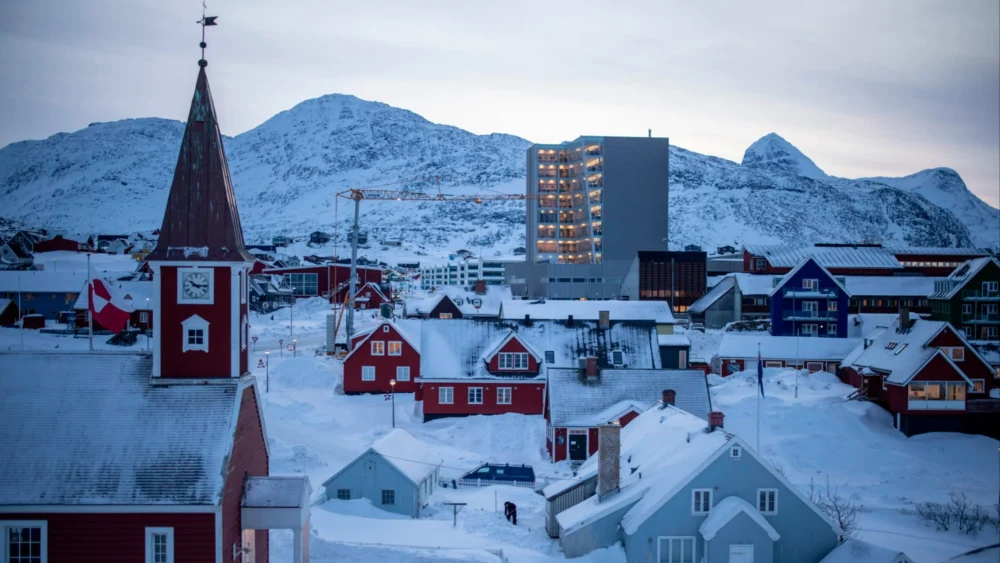
The audacious proposal by the U.S. President to acquire Greenland, a vast Arctic territory autonomously governed by Denmark, has sent tremors through European capitals, prompting a complex web of diplomatic responses and strategic considerations that extend far beyond the immediate geopolitical shockwave. This unexpected declaration, rooted in an apparent belief in territorial acquisition as a tool of statecraft, has left European leaders grappling with the implications for international law, regional stability, and the very foundations of sovereign rights in the 21st century.
The initial reaction across Europe was a mixture of bewilderment and cautious condemnation. While official statements largely abstained from direct criticism, opting for measured language that emphasized diplomatic channels, the underlying sentiment was one of profound unease. The notion of a major global power seeking to purchase a sovereign nation, even one with a unique relationship with its former colonial power, struck many as an anachronism, harkening back to an era of imperial expansion and colonial land grabs that modern international relations have ostensibly moved beyond.
For Denmark, Greenland’s sovereign partner, the situation presented a delicate balancing act. While the Danish government unequivocally rejected the U.S. proposal, emphasizing Greenland’s self-governance and its people’s right to self-determination, the underlying economic and strategic importance of Greenland to Denmark meant that the diplomatic fallout could not be ignored. Greenland, with its immense natural resources, strategic location at the crossroads of the Arctic and Atlantic, and its growing importance in the context of climate change, is a territory of immense significance. Any discussion, however outlandish, of its future status inevitably touches upon Denmark’s own standing and its long-term interests.
Beyond Denmark, the broader European Union found itself in a quandary. While the EU champions principles of multilateralism, respect for sovereignty, and the peaceful resolution of disputes, the U.S. President’s statement challenged these very tenets. The European Commission and individual member states were forced to consider the precedent that such a proposition could set. If territorial claims based on perceived strategic or economic value were to become normalized, it could embolden other actors and destabilize regions where similar ambitions might exist. The EU’s commitment to a rules-based international order was, in effect, being tested by one of its closest allies.
The geopolitical implications of the U.S. interest in Greenland are multifaceted. Strategically, Greenland occupies a critical position in the Arctic. Its vast ice sheets are melting at an unprecedented rate, opening up new shipping routes and potentially revealing significant untapped reserves of oil, gas, and rare earth minerals. Control or significant influence over Greenland would grant a nation enhanced access to these burgeoning resources and a strategic advantage in navigating the increasingly contested Arctic waters. The U.S. military already maintains a significant presence at Thule Air Base in Greenland, a testament to its long-standing strategic interest in the region. However, the idea of outright acquisition signifies a far more assertive and potentially disruptive approach to Arctic geopolitics.
From an economic perspective, Greenland’s potential resource wealth is substantial. While the logistical and environmental challenges of extraction are considerable, the allure of untapped mineral deposits and hydrocarbons is undeniable in an era of global demand and resource scarcity. A nation possessing Greenland would gain a significant stake in the future of Arctic resource development, with implications for global commodity markets and energy security.
However, the most profound impact of the U.S. President’s statement lies in its challenge to the established norms of international conduct. The idea of purchasing sovereign territory is antithetical to the principles enshrined in the United Nations Charter, which emphasizes the sovereign equality of all states and the inviolability of their borders. The international community has spent decades building a framework for peaceful coexistence and dispute resolution, and any suggestion of reverting to a transactional approach to territorial integrity risks undermining this delicate edifice.
European analysts and policymakers have been quick to point out the potential for such rhetoric to destabilize other regions. If the principle of acquiring territory through purchase were to gain traction, it could create a dangerous precedent for other territorial disputes or ambitions around the world. The stability of existing borders and the respect for national sovereignty are fundamental to global peace and security, and any challenge to these principles warrants serious international consideration.
The response from European capitals has, therefore, been characterized by a need to reaffirm these fundamental principles. Diplomatic outreach has focused on reinforcing the importance of dialogue, respect for international law, and the right of self-determination for all peoples. While no European nation has directly accused the U.S. of violating international norms, the underlying message is clear: the era of territorial acquisition through purchase is not a viable or acceptable model for contemporary international relations.
Furthermore, the incident has spurred a broader discussion within Europe about the future of Arctic governance. The increasing accessibility of the Arctic due to climate change, coupled with the potential for resource exploitation and new shipping routes, has elevated the region’s geopolitical significance. European nations, particularly those with Arctic coastlines or strong interests in the region, are keen to ensure that the Arctic remains a zone of peace, cooperation, and sustainable development. The U.S. President’s overtures towards Greenland highlight the potential for unilateral actions to disrupt this delicate balance.
In the aftermath of the U.S. President’s pronouncements, European think tanks and academic institutions have been abuzz with analysis. Many have posited that the statement, however controversial, may serve as a catalyst for a more unified European approach to Arctic policy. The need to present a cohesive front in the face of potentially disruptive external interests could foster greater cooperation and strategic alignment among EU member states.
The future outlook suggests a continued period of diplomatic engagement and strategic recalibration. While the immediate proposal may fade from headlines, the underlying issues it raised – the strategic importance of the Arctic, the potential for resource competition, and the need to uphold international norms – will remain central to European foreign policy considerations. European leaders will likely intensify their efforts to strengthen existing Arctic governance frameworks, promote sustainable development, and ensure that the region remains a bastion of peace and cooperation. The incident has served as a stark reminder that even among allies, divergent views on international conduct can emerge, necessitating a robust and unified response grounded in shared values and principles. The long-term implications for transatlantic relations, while not overtly strained, will undoubtedly involve a re-examination of shared commitments to the international order and the principles that underpin it. The geopolitical landscape of the Arctic, already undergoing rapid transformation, has been further complicated by this unexpected, yet significant, diplomatic maneuver, prompting a deeper strategic contemplation across the European continent.



 Aura Kasih
 Safa Marwah
 Ayu Aulia