Lisa Mariana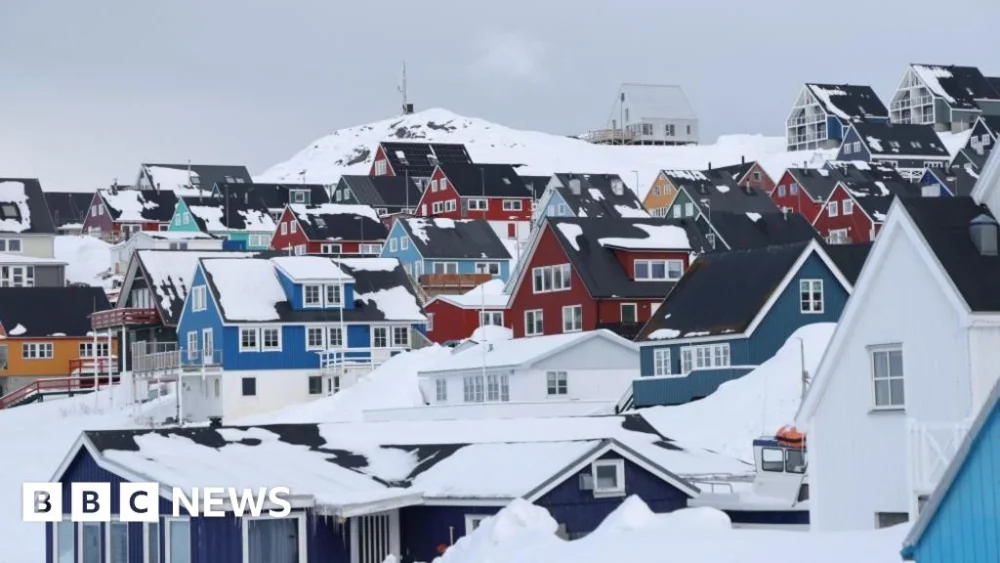
Former United States President Donald Trump’s persistent overtures regarding Greenland have ignited a significant international diplomatic dispute, casting a stark light on the strategic importance of the Arctic region and posing fundamental questions about international law, national sovereignty, and the future cohesion of the North Atlantic Treaty Organization. His repeated assertions that the vast, ice-covered island is vital for American security, coupled with an apparent willingness to disregard established diplomatic norms, have met with firm rebuffs from both Greenland’s semi-autonomous government and its sovereign state, Denmark, a long-standing NATO ally.
Greenland: A Northern Bastion of Unparalleled Strategic Value
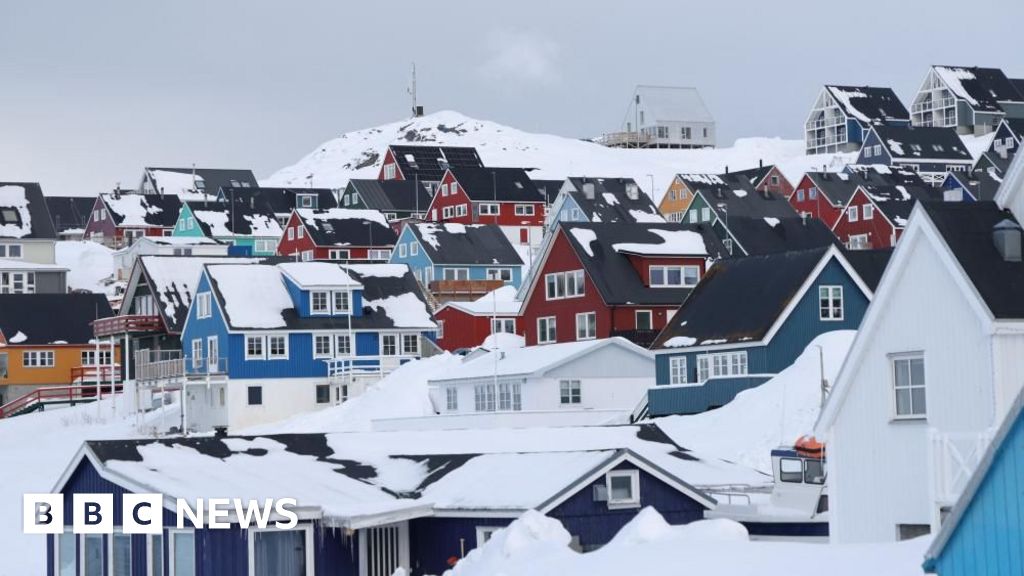
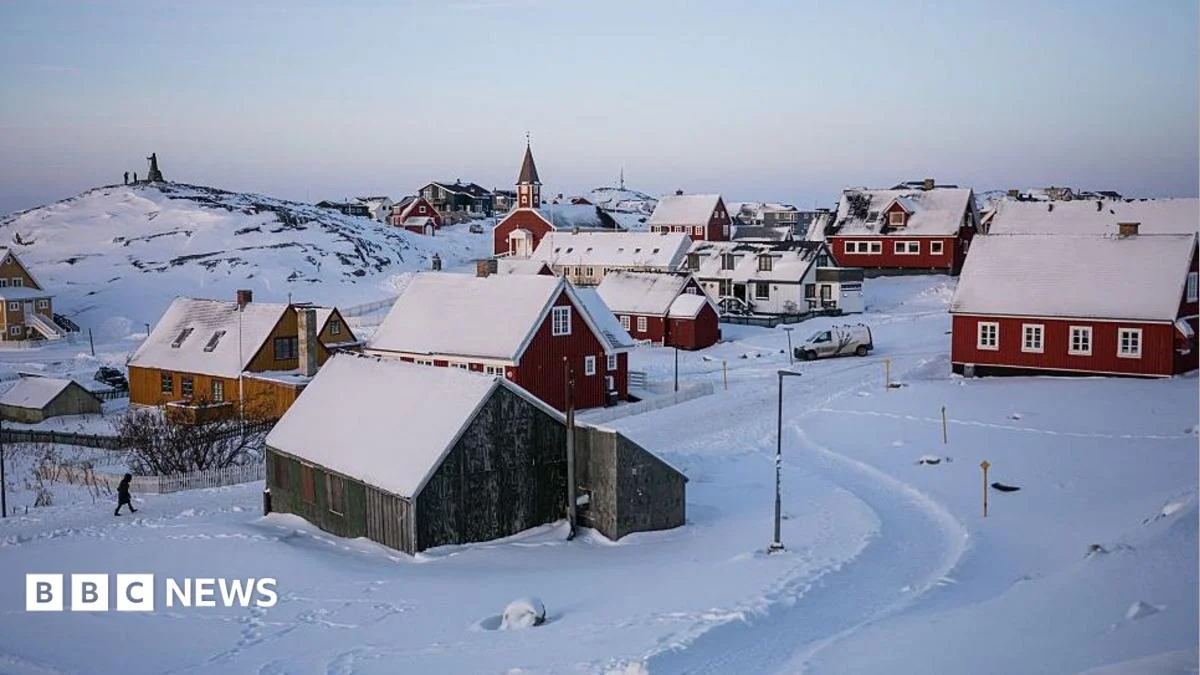
Greenland, the world’s largest island not classified as a continent, occupies a critical geostrategic position in the High Arctic. Its immense landmass, approximately 80% of which is perpetually covered by a vast ice sheet, hosts a population of only around 56,000, predominantly indigenous Inuit communities concentrated along its ice-free southwestern coast, near the capital, Nuuk. Economically, the territory traditionally relies heavily on fishing and substantial financial subsidies from Denmark.
However, Greenland’s significance transcends its modest population and traditional industries. Accelerating global warming is causing the massive ice sheet to recede, progressively exposing vast tracts of land and unlocking access to previously inaccessible, highly valuable natural resources. Beneath its icy veneer, Greenland is believed to harbor substantial deposits of rare earth minerals – critical components for advanced electronics, renewable energy technologies, and defense systems – alongside uranium, iron, and other strategic elements. This mineral wealth has attracted considerable international interest, mirroring the Trump administration’s focus on securing such resources globally.
Beyond subterranean riches, Greenland’s geographic location is paramount. Situated between the North American and European continents, it serves as a natural bridge across the North Atlantic and a crucial gateway to the Arctic Ocean. As Arctic ice melts, new shipping lanes, such as the Northwest Passage, become increasingly viable, promising shorter trade routes between Asia, Europe, and North America. Control over or significant influence in Greenland could confer a decisive advantage in monitoring and potentially regulating these burgeoning maritime corridors, as well as providing strategic platforms for military and surveillance operations in a region of escalating great power competition. Trump’s stated concern about "Russian and Chinese ships all over the place" underscores this perceived strategic vulnerability and the intensifying scramble for Arctic dominance.
A Resurfacing Ambition: The US Pursuit of Greenland
The United States’ interest in Greenland is not a novel phenomenon; two previous American administrations had made unsuccessful attempts to acquire the island. However, President Trump’s approach has been uniquely assertive. His initial proposal in 2019 to purchase Greenland from Denmark was met with incredulity and an unequivocal rejection, with Danish officials stating the territory was simply "not for sale."
Despite this clear refusal, Trump’s interest was reportedly rekindled following his return to the White House in January 2025. This renewed push was notably amplified after a controversial US military operation in Venezuela, which saw the seizure of its president, Nicolás Maduro. This sequence of events suggested a pattern of increasingly unilateral and forceful foreign policy under the Trump administration. His subsequent statements regarding Greenland reiterated a "very serious" intent, asserting the island’s importance for not only American but also European security, implicitly suggesting that current arrangements were insufficient. Crucially, the administration has not explicitly ruled out the use of force, a stance that has sent tremors through international diplomatic circles.
The strategic campaign intensified throughout 2025. Vice-President JD Vance undertook a high-profile visit to Greenland in March, delivering a speech that sharply criticized Denmark for its perceived failure to adequately invest in the territory’s defense and infrastructure. This public rebuke of a NATO ally signaled a willingness to exert significant diplomatic pressure and sow discord. The culmination of this assertive policy came in late 2025 with Trump’s appointment of Jeff Landry as a special envoy to Greenland. Landry’s public pronouncements advocating for the island’s integration into the United States further escalated the diplomatic confrontation, transforming a long-standing historical curiosity into a present-day geopolitical flashpoint.
Sovereignty, Alliances, and the Rules-Based Order: NATO’s Quandary
Trump’s audacious stance has provoked profound shock and indignation within Denmark, a nation that has historically maintained robust and amicable relations with Washington. Danish Prime Minister Mette Frederiksen issued a grave warning, suggesting that any attempt by the United States to seize Greenland would effectively spell the demise of NATO. This declaration underscores the fundamental challenge Trump’s actions pose to the very bedrock principles of the military alliance.
NATO, founded on the principles of collective defense, mutual respect, and the inviolability of member states’ territorial integrity, would face an existential crisis if one member attempted to annex territory from another. Article 5, the alliance’s cornerstone, mandates that an attack on one member is considered an attack on all. While a direct military confrontation between the US and Denmark is unthinkable, the diplomatic and political fallout of such an aggressive territorial claim would be catastrophic. It would fundamentally undermine trust, fracture allied solidarity, and render the alliance’s stated purpose meaningless.
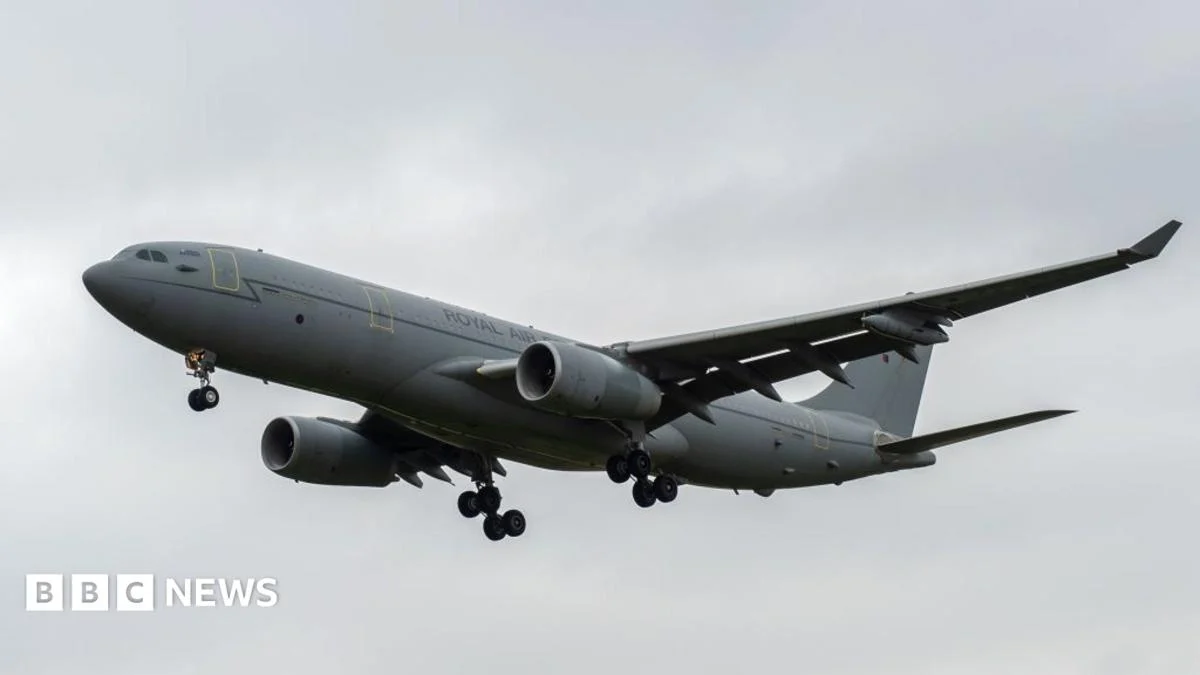
Other key NATO leaders have echoed Denmark’s concerns. UK Prime Minister Keir Starmer explicitly affirmed that the future of Greenland rests solely with its people and the Danish government, not with external powers. Similarly, the European Union’s foreign policy spokesperson emphasized the bloc’s unwavering commitment to the principles of national sovereignty and territorial integrity, sending a clear message of international opposition to any coercive measures. The situation forces NATO allies to confront the uncomfortable reality of a major power within their ranks seemingly prepared to disregard international law and allied solidarity for perceived national gain, thereby jeopardizing the entire transatlantic security architecture.
Greenland’s Historical Context and Evolving Autonomy
Greenland’s connection to Denmark spans approximately three centuries, despite the vast geographical distance of nearly 3,000 kilometers separating them. Its history reflects a gradual evolution from a colonial outpost to a semi-autonomous territory within the Kingdom of Denmark. For much of its colonial period, until the mid-20th century, Greenland remained largely isolated and economically underdeveloped.
The Second World War marked a pivotal shift in Greenland’s strategic importance. With Nazi Germany occupying mainland Denmark, the United States assumed responsibility for the island’s defense, establishing critical military and radio stations. American forces remained post-war, notably maintaining the Pituffik Space Base (formerly Thule Air Base), a crucial strategic asset for missile warning and space surveillance. A 1951 defense agreement formalized the US role in Greenland’s defense, granting rights to construct and maintain military facilities.
In 1953, Greenland transitioned from a colony to an integral part of the Kingdom of Denmark, and its inhabitants gained Danish citizenship. This integration laid the groundwork for greater self-governance. In 1979, a referendum established home rule, granting Greenland control over most internal policy matters, while Denmark retained authority over foreign affairs, defense, and currency. This delicate balance reflects Greenland’s aspirations for self-determination alongside its continued reliance on Danish support and security guarantees. Danish military bases also operate on the island, contributing to its defense alongside the American presence.
The Unwavering Voice of the Greenlanders: Self-Determination Paramount
Amidst the high-stakes geopolitical maneuvering, the voice of the Greenlandic people remains resolute and clear. Greenland’s Prime Minister Jens Frederik Nielsen has unequivocally rejected any notion of US control, stating forcefully, "No more pressure. No more insinuations. No more fantasies of annexation." He underscored that while dialogue is welcome, it must adhere to proper international channels and respect international law.
Public sentiment on the island consistently reflects a strong desire for self-determination. While polling indicates that a majority of Greenlanders favor eventual independence from Denmark, there is an overwhelming consensus against becoming part of the United States. When Trump initially floated the idea of purchasing the island in 2019, local reactions were swift and indignant. Dines Mikaelsen, a tour operator, articulated a common sentiment, calling it "a very dangerous idea," while Aleqa Hammond, Greenland’s first female prime minister, observed, "He’s treating us like a good he can purchase." These statements highlight a profound sense of cultural identity and national pride, emphasizing that Greenland is not a commodity to be traded but a sovereign land inhabited by a distinct people. The issue took center stage during the territory’s general election in 2025, demonstrating its salience in local political discourse.
Geopolitical Ramifications and the Future of the Arctic
The Trump administration’s pursuit of Greenland carries far-reaching geopolitical implications that extend well beyond the immediate US-Denmark relationship. Such a move, if successful through coercive means, would fundamentally undermine the established rules-based international order, challenging the principles of state sovereignty, territorial integrity, and non-intervention that underpin global stability. It would set a dangerous precedent, potentially emboldening other powerful nations to pursue territorial ambitions through similar means, thereby fostering an era of increased international instability and great power competition.
For NATO, the crisis would be profound and potentially irreparable. The alliance’s credibility as a collective security organization would be severely damaged, and the trust between its members eroded, particularly if the US were to act in defiance of its allies’ protests. This internal fracturing could weaken the alliance’s ability to confront external threats, particularly from revisionist powers actively seeking to challenge the existing global order.
In the Arctic, a region already witnessing heightened geopolitical activity, the situation would undoubtedly escalate tensions. It could accelerate militarization, complicate efforts for international cooperation on critical issues like climate change and sustainable development, and potentially lead to a more confrontational stance among Arctic nations. Greenland itself would face an uncertain future, caught between the aspirations for greater autonomy and the immense pressures of its strategic location. The episode serves as a powerful reminder of the complex interplay between geography, resources, national ambition, and the fragile architecture of international diplomacy.


 Aura Kasih
 Safa Marwah
 Ayu Aulia