Safa Marwah
A recent surge in illicit activities by an advanced cybercriminal collective underscores a pervasive vulnerability within enterprise cloud file-sharing ecosystems, leading to the unauthorized acquisition and subsequent commercialization of sensitive corporate data from numerous global organizations. This emergent threat highlights a critical nexus between commodity malware infections and the exploitation of lax security protocols on high-value cloud platforms.
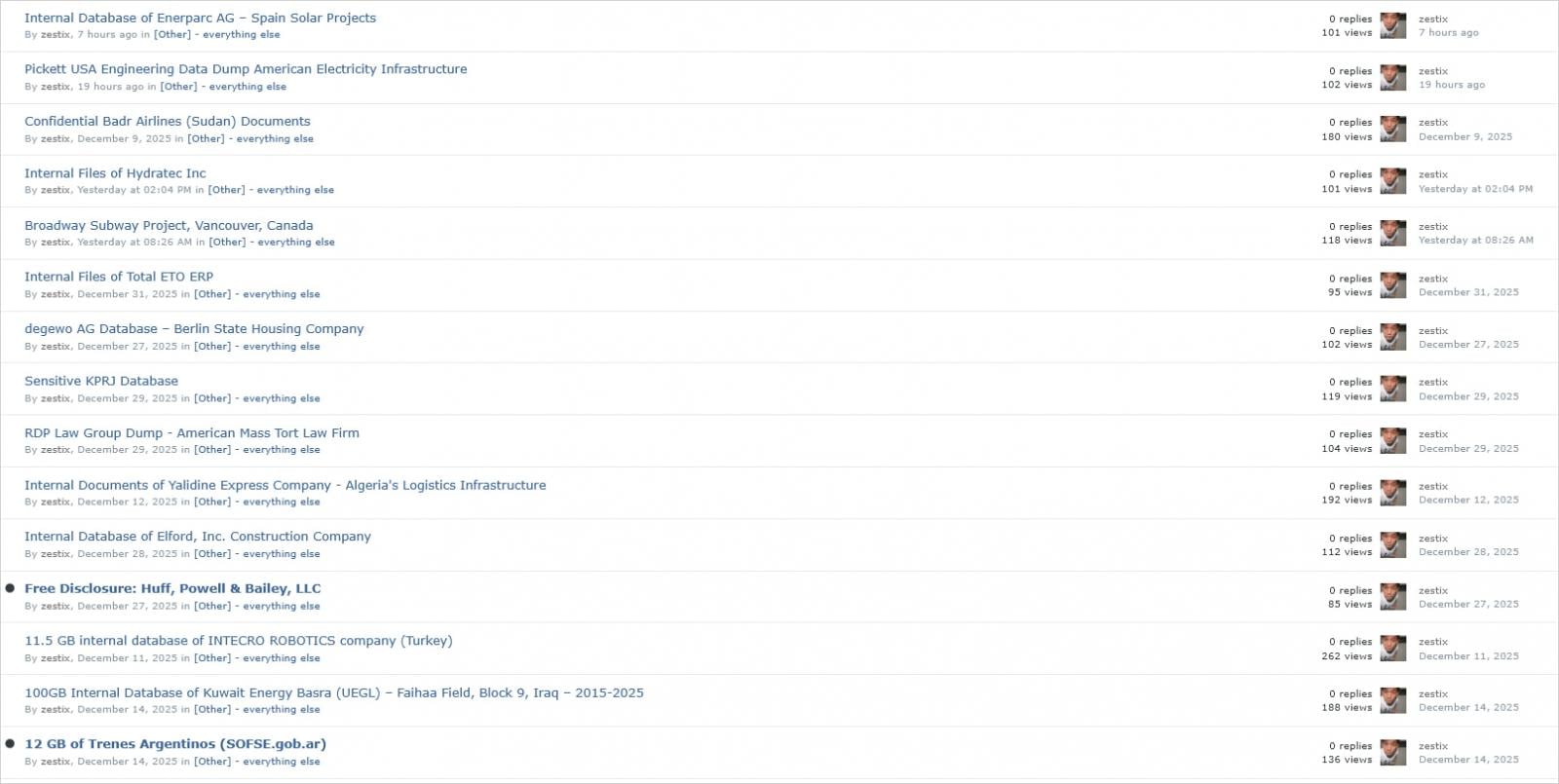
The digital architecture underpinning modern enterprises increasingly relies on cloud-based file storage and collaboration platforms for efficiency, scalability, and remote accessibility. Services such as ShareFile, Nextcloud, and ownCloud have become indispensable repositories for a vast spectrum of organizational data, from intellectual property and financial records to strategic operational plans and customer databases. However, this indispensable reliance has simultaneously rendered these platforms attractive targets for cyber adversaries. A sophisticated threat actor, designated by intelligence analysts as "Zestix" (and operating under the alias "Sentap" in some instances), has been systematically compromising these cloud environments, leveraging stolen credentials to exfiltrate vast quantities of proprietary information. This data is then aggressively advertised and sold on clandestine cybercrime forums, posing significant risks of industrial espionage, competitive disadvantage, and profound reputational damage to affected entities.

The initial vector for these compromises is consistently traced back to pervasive info-stealing malware strains, including notorious variants such as RedLine, Lumma, and Vidar. These malicious programs are typically disseminated through cunning malvertising campaigns or intricate ClickFix attacks, methods designed to trick unsuspecting employees into downloading and executing the malware. Once embedded on an endpoint, these infostealers are meticulously engineered to harvest a broad array of sensitive data, focusing primarily on credentials stored within web browsers, including usernames, passwords, and payment card details. Beyond browser data, they frequently target information from messaging applications and cryptocurrency wallets, effectively vacuuming up any digital keys that could unlock access to valuable corporate assets. The insidious nature of these infections lies in their silent operation, often remaining undetected for extended periods while continuously siphoning off critical access information.
A crucial vulnerability exploited by these threat actors is the absence or inadequate implementation of multi-factor authentication (MFA) across corporate cloud instances. Even when an employee’s device is compromised and their credentials are stolen by an info-stealer, robust MFA protocols act as a formidable secondary barrier, preventing unauthorized access even with a valid username and password. However, intelligence reports indicate that in a significant number of confirmed cases, this essential layer of security was either entirely missing or insufficiently configured. Compounding this issue is the alarming discovery that some of the compromised credentials have been circulating in criminal databases for years, suggesting a widespread failure among organizations to enforce regular credential rotation policies or to invalidate active sessions following prolonged periods of inactivity or suspected compromise. This negligence effectively provides threat actors with enduring keys to sensitive corporate data, allowing them to patiently identify and exploit cloud platforms lacking advanced authentication mechanisms.
The scope of these breaches is extensive, spanning a diverse array of critical sectors globally. Organizations across aviation, defense, healthcare, utilities, mass transit, telecommunications, legal services, real estate, and government have been identified as potential victims. The threat actor specifically targets cloud storage environments hosted on ShareFile, Nextcloud, and ownCloud, leveraging their stolen credentials to gain direct entry. Cybercrime intelligence firms meticulously piece together these breach points by correlating infostealer logs with publicly accessible images, metadata, and open-source intelligence. This analytical process involves scrutinizing digital footprints left by the threat actor during their reconnaissance and exfiltration phases, confirming the validity of their claims by cross-referencing against real-world data points. While intelligence agencies have been able to unilaterally verify numerous instances of compromise, public confirmation from the affected companies remains largely absent, underscoring the sensitive nature of these incidents and the potential for regulatory and reputational fallout.

The illicit marketplace for this stolen data is characterized by offerings ranging from tens of gigabytes to several terabytes, indicative of deep and comprehensive compromises within targeted organizations. The advertised data sets are alarmingly diverse and strategically valuable. They include highly specific operational documents such as aircraft maintenance manuals and fleet data, intricate defense and engineering files, proprietary customer databases, sensitive health records, detailed mass-transit schematics, utility LiDAR maps, critical ISP network configurations, confidential satellite project data, valuable ERP source code, and legally binding government contracts and other legal documentation. The implications of such widespread data exfiltration are multifaceted and severe. For defense and engineering sectors, the theft of proprietary designs and project data constitutes a grave risk of industrial espionage, potentially undermining competitive advantage and national security. Exposed health records and customer databases present significant privacy violations, leading to regulatory fines and erosion of public trust. The compromise of government contracts and critical infrastructure schematics could have far-reaching national security ramifications, potentially exposing vulnerabilities in essential services and state operations.
The threat actor’s operational model as an Initial Access Broker (IAB) is a critical component of the broader cybercrime ecosystem. IABs specialize in gaining initial unauthorized access to corporate networks or cloud environments and then selling this access to other criminal groups. These buyers might include ransomware operators seeking high-value targets for encryption and extortion, state-sponsored actors engaged in espionage, or other financially motivated groups looking to conduct further data theft or financial fraud. The IAB model allows threat actors like Zestix to monetize their credential harvesting efforts without directly engaging in the more complex and risky phases of data exploitation or ransomware deployment. This division of labor within the cybercrime underground fosters specialization and efficiency, making it easier for various criminal enterprises to acquire the initial foothold necessary for their illicit operations.
Beyond the specifically identified victims, threat intelligence data suggests a more systemic and pervasive problem rooted in organizations’ widespread failure to adhere to fundamental cybersecurity best practices. The presence of infected machines within the networks of globally recognized corporations, including prominent names like Deloitte, KPMG, Samsung, Honeywell, and Walmart, serves as a stark illustration of this pervasive vulnerability. This indicates that even organizations with substantial security budgets and resources are not immune to commodity malware infections, which, when coupled with inadequate cloud security configurations, create fertile ground for sophisticated data exfiltration campaigns. This broader pattern highlights a critical disconnect between perceived security postures and the reality of an organization’s susceptibility to foundational attack vectors.
Addressing this escalating threat requires a multifaceted and strategic approach to cybersecurity. Firstly, Proactive Threat Intelligence is paramount, involving continuous monitoring of underground forums and infostealer logs to identify compromised credentials and potential targets before they are exploited. Secondly, Robust Credential Management must be universally implemented, mandating MFA across all cloud services, enforcing stringent password policies, and ensuring regular credential rotation. Furthermore, mechanisms for automatic session invalidation upon suspicious activity or extended inactivity are crucial. Thirdly, Advanced Endpoint Security solutions, specifically Endpoint Detection and Response (EDR) platforms, are essential to detect and prevent info-stealer infections at the earliest possible stage. This must be complemented by continuous employee awareness training to educate staff about the dangers of malvertising, phishing, and the importance of secure browsing habits. Fourthly, Cloud Security Posture Management (CSPM) tools are necessary for continuous monitoring of cloud configurations, access controls, and data residency to identify and remediate misconfigurations that could lead to unauthorized access. Fifthly, comprehensive Incident Response Planning with clear protocols for detection, containment, eradication, and recovery from data breaches is vital. Finally, organizations must extend their security scrutiny to their entire Supply Chain, assessing the cybersecurity posture of third-party vendors and their cloud integrations to mitigate risks originating from external dependencies.
Looking ahead, the landscape of cyber threats will likely witness an increasing sophistication in credential theft techniques and a persistent, evolving focus on cloud infrastructure as a primary target. The role of Initial Access Brokers will continue to be a significant enabler within the cybercrime economy, facilitating a broad spectrum of malicious activities. The imperative for organizations to transition from reactive incident response to a proactive, defense-in-depth security strategy has never been more critical. Safeguarding digital assets in this volatile environment demands continuous vigilance, strategic investment in advanced security technologies, and an unwavering commitment to fundamental cybersecurity hygiene. Failure to adapt to these evolving threats will inevitably lead to further compromises, jeopardizing not only corporate data but also the trust and operational integrity of modern enterprises.



 Lisa Mariana
 Aura Kasih
 Ayu Aulia