Lisa Mariana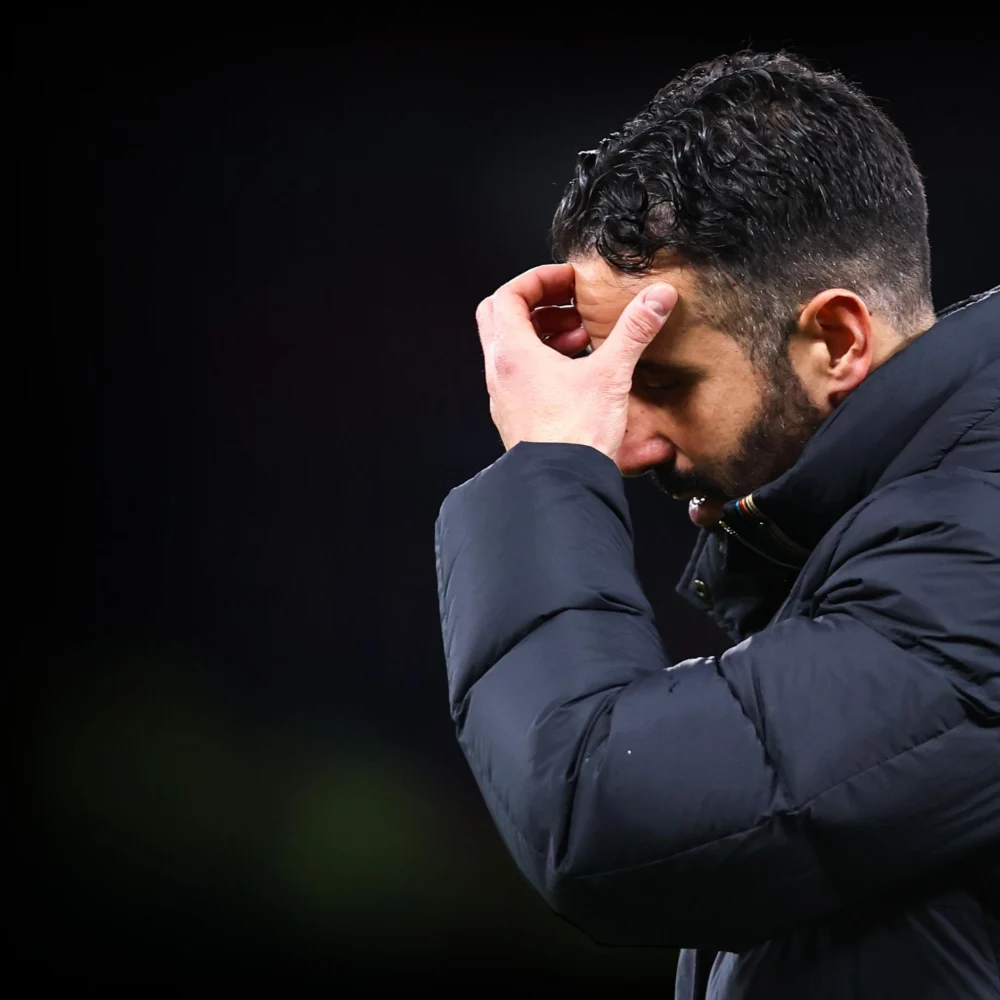
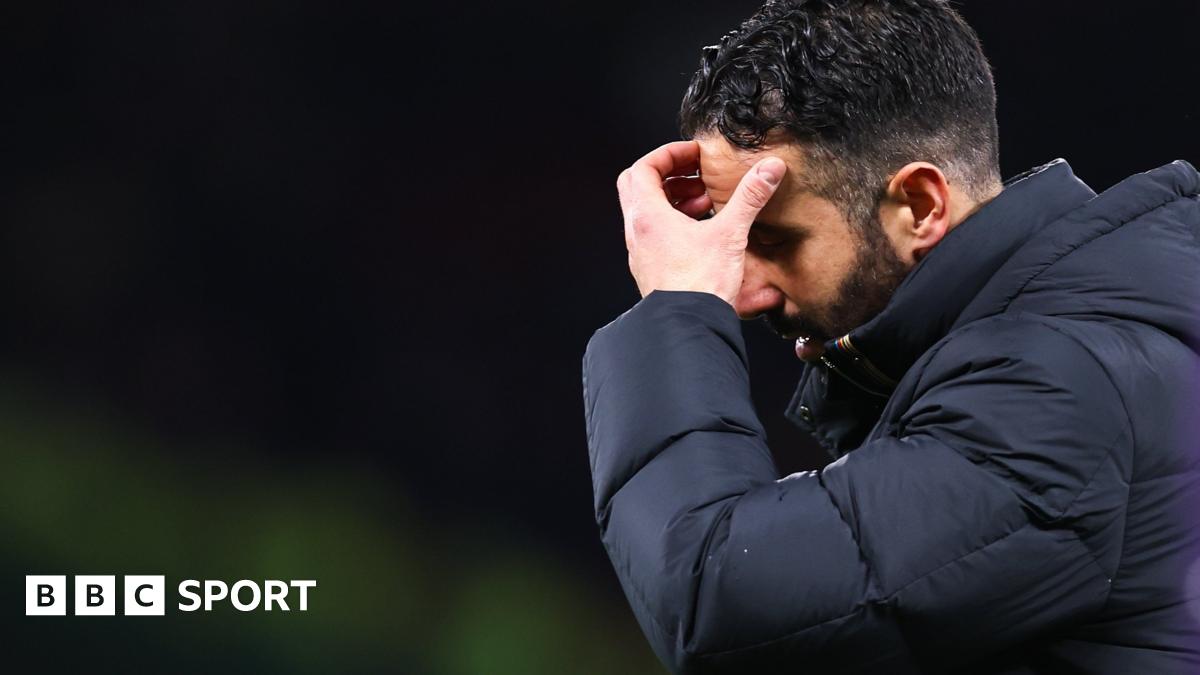
The curtain has fallen on Ruben Amorim’s brief and tumultuous 14-month spell as head coach of Manchester United, culminating in his dismissal amid persistent tactical disagreements and a perceived disconnect with the club’s evolving hierarchy. His departure marks yet another chapter in the storied club’s post-Ferguson era, characterized by a rapid succession of managerial appointments and an ongoing struggle to recapture former glories. This in-depth analysis delves into the factors that led to Amorim’s exit, scrutinizing his tactical philosophy, player management, and the broader institutional context that continues to define Old Trafford.
Amorim’s arrival at Old Trafford was initially heralded as a forward-thinking appointment, signaling a move towards a modern, continental coaching structure where the head coach would operate within a defined framework alongside a dedicated sporting director and technical director. The Portuguese tactician brought with him a burgeoning reputation from his successful stint at Sporting CP, where he had cultivated a distinct 3-4-3 system and fostered a disciplined, cohesive unit. Expectations were high that he would inject a fresh tactical identity and develop a young squad, moving away from the more traditional, all-encompassing managerial role prevalent in English football. However, the anticipated synergy between Amorim’s rigid methodological approach and United’s evolving strategic vision quickly fractured, revealing fundamental incompatibilities that ultimately proved insurmountable.
At the heart of the friction lay Amorim’s unwavering commitment to his preferred 3-4-3 formation. While celebrated for its effectiveness at Sporting, this system proved to be a persistent point of contention at United. The head coach frequently articulated his belief that deviation from this core philosophy would undermine his authority and messaging to the players, famously stating that even the Pope couldn’t persuade him to change. This steadfastness, initially seen as a strength, increasingly became a liability. Despite internal and external pressures, including a brief and successful experiment with a back-four against Newcastle, Amorim reverted to his three-man defence, often shoehorning players into unfamiliar roles – a glaring example being Patrick Dorgu’s shift from an effective attacking wide role to left wing-back against Wolves. This tactical inflexibility, particularly in the face of suboptimal results, drew widespread criticism from supporters and, crucially, from within the club’s new leadership structure.
The club’s hierarchy, including Technical Director Jason Wilcox and Chief Executive Omar Berrada, had invested heavily in attacking talent, spending upwards of £200 million, often with a view to utilizing players in wider, more fluid offensive systems. The pursuit of players like Antoine Semenyo, who was reportedly promised a left-wing role, underscored the club’s desire for a different tactical outlook than Amorim’s entrenched 3-4-3. This divergence created a palpable tension: the coach saw requests for tactical adaptability as unwarranted interference, while the club viewed his resistance as an unwillingness to collaborate and optimize the substantial investment made in the squad. The 1-1 draw against Wolves, a side struggling at the bottom of the league, and the subsequent booing from fans, served as a stark demonstration of this tactical impasse and severely damaged Amorim’s standing with his superiors.
Beyond tactics, Amorim’s player management style also came under scrutiny. While initial reports from the pre-season tour suggested a degree of player buy-in, particularly from those not impacted by his early "bomb squad" exiles, his approach to squad building was uncompromising. His swift and often brutal dismissal of academy prospects and public criticism of established senior players, including prominent figures like Marcus Rashford, Jadon Sancho, Antony, and Alejandro Garnacho, alienated significant portions of the squad and raised questions about his ability to foster a harmonious dressing room. Such decisions, while potentially designed to assert authority and enforce standards, carried significant financial implications, particularly in the context of players whose market value could be depreciated by such public ostracization. The case of Garnacho, whose desire to join Chelsea effectively limited his market, exemplifies this issue.
The transfer strategy under Amorim also highlights a complex web of decision-making. While the club sanctioned over £200 million in spending, including significant outlays for Benjamin Sesko and Rasmus Hojlund, there were instances where the club’s long-term vision diverged from the coach’s immediate preferences. The refusal to sign World Cup-winning goalkeeper Emiliano Martinez in favor of investing in the younger, data-backed prospect Senne Lammens illustrates a power struggle over recruitment philosophy. Similarly, the sale of Scott McTominay and the subsequent acquisition of Manuel Ugarte for a considerable fee, despite Ugarte’s limited role in key matches, raised eyebrows regarding the efficacy and alignment of transfers. This fragmented approach to squad construction, where the coach’s desires were sometimes met and sometimes overridden, points to a broader systemic issue within United’s recruitment department, predating Amorim’s arrival.
Amorim’s personal quirks, such as observing parts of training sessions from a distance or his meticulous, almost microscopic focus on player movement, while perhaps reflecting a deep analytical mind, also contributed to an image of detachment or an unwillingness to fully integrate. His candour in media conferences, often revealing internal divisions or expressing frustration, further exacerbated the perception of instability and contributed to an environment where the club’s issues were consistently aired publicly. His final media appearances, including a thinly veiled admission of internal splits and a defiant declaration that he "would not quit," effectively forced the club’s hand.
The enduring image of Amorim cowering in the dugout during a humiliating Carabao Cup penalty shootout defeat to fourth-tier Grimsby Town encapsulates the sense of a job that, at times, appeared overwhelming. While a sixth-place Premier League standing aligns with pre-season expectations, the journey to that position was fraught with inconsistent performances, tactical missteps, and a palpable sense of unease. Manchester United, the fourth richest club globally, should not be struggling to consistently overcome lesser-resourced rivals like Brentford, Bournemouth, or Brighton, nor should it be finishing behind teams like West Ham.
Amorim’s dismissal, while immediate, cannot be viewed in isolation. It casts a significant spotlight on the architects of his appointment and the efficacy of the new "best in class" leadership structure spearheaded by Sir Jim Ratcliffe and INEOS. Questions arise regarding the initial vetting process, particularly given Amorim’s well-documented tactical rigidity. Did the club genuinely believe he would adapt, or was there a misjudgment of his personality and coaching philosophy? The role of figures like Omar Berrada, Jason Wilcox, and Christopher Vivell in this failed appointment will undoubtedly be scrutinized. The revolving door of managers at Old Trafford – Moyes, Van Gaal, Mourinho, Solskjaer, Rangnick, Ten Hag, and now Amorim – suggests a deeper malaise than simply finding the "right" coach.
The search for Amorim’s successor is now underway, but the fundamental challenges at Manchester United remain. The club requires a cohesive, long-term strategy that extends beyond the individual at the helm, encompassing a unified recruitment philosophy, a clear playing identity, and a robust support structure that empowers a manager while ensuring accountability and adaptability. Until these deeper structural issues are addressed, Old Trafford risks being trapped in a perpetual cycle of managerial turnover, regardless of who occupies the dugout. The ambition of reclaiming their elite status demands not just a new manager, but a profound and lasting institutional transformation.




 Aura Kasih
 Safa Marwah
 Ayu Aulia