Ayu Aulia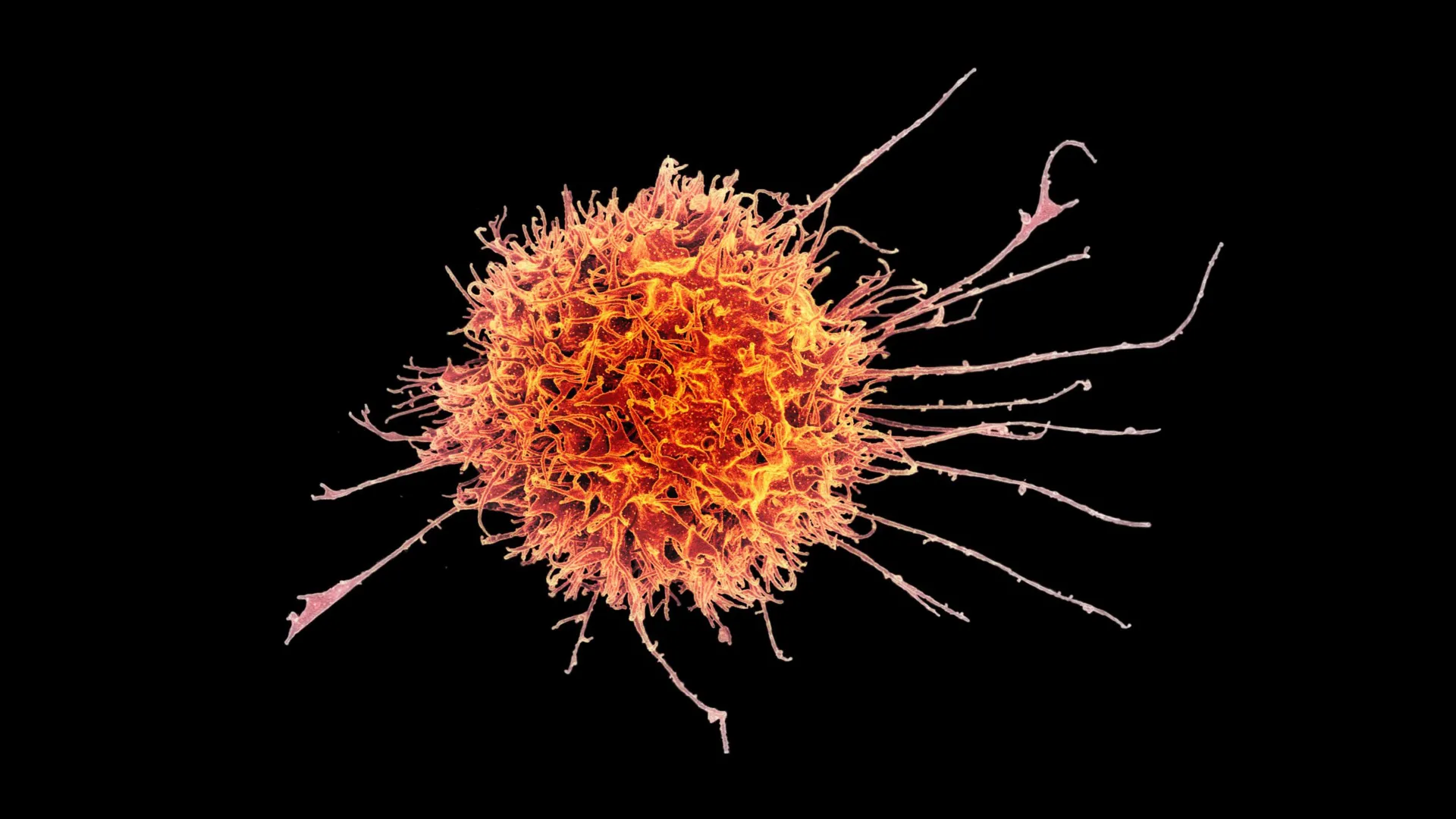
Immunotherapy has fundamentally reshaped the landscape of cancer treatment, particularly for hematological malignancies such as certain leukemias and lymphomas, where T-cell based therapies have achieved remarkable successes. However, the efficacy of these advanced cellular treatments has been significantly constrained in the context of solid tumors. These recalcitrant cancers present a formidable barrier to immune cell infiltration, often establishing highly immunosuppressive microenvironments that actively disarm or repel immune defenses. This inherent difficulty has driven intensive research efforts to devise innovative strategies capable of bypassing these formidable biological obstacles.
A collaborative research endeavor, spearheaded by scientists at Stanford Medicine and several esteemed partner institutions, has introduced a novel methodology designed to address these critical limitations. Their innovative approach involves the strategic transformation of natural killer (NK) cells, a distinct class of lymphocytes renowned for their intrinsic capacity to rapidly identify and eliminate aberrant cells, into a specialized, tissue-resident phenotype. This re-engineered cellular form exhibits a pronounced ability to penetrate the dense architecture of solid tumors and execute a robust cytotoxic program against cancer cells.
Dr. John Sunwoo, the Edward C. and Amy H. Sewall Professor in the School of Medicine and the senior author of the seminal study published recently in Science Translational Medicine, highlighted the profound implications of their findings. "Our investigations unequivocally demonstrate that these engineered tissue-resident natural killer cells exhibit a substantially superior capacity for infiltration into solid tumor masses compared to their conventional counterparts. This observation was consistently reproducible, strikingly evident, and exceptionally clear across our experimental models," Dr. Sunwoo stated. The meticulous work was co-led by Dr. Nina Horowitz, a former doctoral student in otolaryngology; Dr. Imran Mohammad, a postdoctoral fellow within the Sunwoo laboratory; and Dr. June Ho Shin, a senior scientist also affiliated with the Sunwoo laboratory.
Harnessing Natural Killer Cells for Solid Tumor Battle
The investigative team rigorously evaluated the therapeutic potential of this experimental cellular intervention in murine models. The modified natural killer cells consistently demonstrated a significant capacity to impede the proliferative progression of various types of solid tumors. Crucially, this anti-tumor effect was markedly amplified when the re-engineered NK cells were administered in conjunction with a targeted antibody treatment. This combinatorial strategy is designed to enhance the precision with which natural killer cells are directed towards malignant cellular targets, thereby maximizing their therapeutic impact.
Beyond their inherent cytotoxic prowess, natural killer cells present a compelling practical advantage within the realm of cellular therapeutics. Unlike many current immune cell therapies, which necessitate individualized manufacturing from a patient’s own cells (autologous approach), NK cells typically do not elicit a significant immune rejection response when transferred between different individuals (allogeneic approach). This unique immunological characteristic opens the door to the potential for large-batch, standardized production of these modified NK cells. Such an "off-the-shelf" therapeutic modality could be manufactured in substantial quantities, cryopreserved for extended periods, and readily dispensed to a broad spectrum of patients, thereby revolutionizing accessibility.
"The prospect of an ‘off-the-shelf’ drug is transformative," Dr. Sunwoo remarked. "This could dramatically expand the reach of cell therapy, making it accessible to a much wider demographic of patients who currently face significant barriers to treatment due to logistical complexities and exorbitant costs associated with personalized cellular products."
The Strategic Significance of Tissue-Resident Immunity
The identification of natural killer cells dates back to the 1970s, a period that marked a burgeoning understanding of the intricate components of the immune system. Their evocative nomenclature stems from their intrinsic and immediate capacity to identify and neutralize abnormal cells, encompassing both neoplastic cells and those compromised by viral infections. A defining characteristic that distinguishes NK cells from adaptive immune cells, such as B cells and T cells, is their innate ability to mount a rapid response without requiring prior sensitization to a specific antigen. This pre-programmed reactivity positions them as critical first responders in immune surveillance.
Historically, the predominant focus within immunology has gravitated towards immune cells that circulate extensively within the bloodstream, including B lymphocytes, T lymphocytes, and the conventional natural killer cells. These circulatory immune sentinels traverse the vascular network, constantly patrolling the body for indications of pathogenic invasion or cellular aberration. However, a growing body of contemporary research has unveiled that a significant proportion of immune cells eventually establish permanent residence within specific tissues, where they undergo functional specialization tailored to the unique demands of their local microenvironment.
"For an extended period, the investigation of immunology and disease pathologies in human subjects was largely concentrated on the analysis of immune cells found within the blood circulation," Dr. Sunwoo elaborated. "With the advent of sophisticated analytical tools and advanced bioinformatics methodologies, we are now increasingly able to delve into the intricate cellular dynamics occurring within various tissues. For the vast majority of immune cell populations, the tissue compartment represents the principal arena where immune responses are initiated and executed."
Tissue-resident natural killer cells have been identified in a diverse array of anatomical locations, including the dermal layers, mucous membranes, pulmonary system, and hepatic tissue. However, a comprehensive understanding of their precise physiological roles has proven elusive, largely due to conflicting data generated by earlier studies. Some investigations intimated that these resident cells possessed relatively attenuated cytotoxic capabilities and, in certain contexts, might even exert immunosuppressive influences. Conversely, other research streams provided compelling evidence of their pronounced efficacy in eliminating target cells.
"It is plausible that these cells adopt divergent functional profiles contingent upon specific molecular cues present within their immediate microenvironment and the overarching tissue context, leading to their differentiation into distinct sub-populations," Dr. Sunwoo hypothesized. Indeed, under certain physiological conditions, the immune-suppressing phenotypes of tissue-resident natural killer cells confer substantial biological benefits. A prime example is their crucial role in early gestation, where these cells, situated within the uterine lining, are instrumental in preventing maternal immune attack against fetal cells and concurrently support the vital processes of placental development. In stark contrast, the objective of cancer therapy necessitates the mobilization of the more aggressively cytotoxic variant of these cells.
Deciphering the Optimal Cellular Recipe for Potency
The accumulating evidence suggested the existence of two functionally disparate forms of tissue-resident natural killer cells, yet the precise developmental pathways governing their emergence and the underlying mechanisms driving their divergent behaviors remained incompletely characterized. To meticulously investigate this enigma, Dr. Sunwoo’s research team embarked on an ambitious experimental program. They meticulously isolated circulating natural killer cells from healthy human blood donors and subsequently exposed these cells to a carefully curated array of cellular signaling molecules and environmental cues.
A pivotal molecular determinant identified in this investigation was transforming growth factor beta (TGF-β). This pleiotropic signaling protein, synthesized and secreted by a multitude of cell types, including tumor cells, plays a profound role in regulating diverse cellular processes, including differentiation, proliferation, and immune modulation. The researchers made a critical discovery: the precise concentration and duration of the TGF-β signal were absolutely paramount in dictating the resultant functional phenotype of the NK cells.
"This phenomenon exhibits characteristics akin to a ‘Goldilocks effect,’ where the administration of a precisely calibrated quantity of TGF-β signal induces natural killer cells to adopt a tissue-resident phenotype endowed with robust cytotoxic activity against malignant cells," Dr. Sunwoo elucidated. "Conversely, an excessive exposure to TGF-β, while still leading to a tissue-resident state, results in cells that are profoundly inhibited, dysfunctional, and incapable of executing their killing function. The imperative is to present TGF-β to the natural killer cells in an exquisitely precise amount and through an optimally orchestrated temporal manner."
The series of rigorous experiments unequivocally demonstrated that TGF-β was an indispensable factor in mediating the differentiation of natural killer cells into their tissue-resident form. However, a protracted and sustained exposure to this cytokine consistently yielded cells that exhibited severely compromised killing capabilities.
An alternative, more efficacious methodology was subsequently devised and tested. The researchers ingeniously exposed natural killer cells for a brief period to short-lived human epithelial tumor cells. This transient interaction provided a localized and temporary burst of active TGF-β. This refined protocol successfully generated tissue-resident natural killer cells that manifested exceptionally potent tumor-killing activity. Furthermore, direct physical juxtaposition and intimate contact with the epithelial tumor cells were revealed to be indispensable elements of this activation process. Merely co-locating the cells in proximity, without direct cellular contact, proved insufficient, strongly suggesting the involvement of additional, contact-dependent activating signals.
"The two distinct populations of tissue-resident natural killer cells, despite appearing phenotypically similar and sharing certain developmental requirements, exhibit functional profiles that reside at diametrically opposed ends of the spectrum," Dr. Sunwoo concluded.
Elucidating the Molecular Signatures of Superior Killer Cells
Building upon these foundational insights, the research team proceeded to conduct a detailed comparative analysis of the two identified types of tissue-resident natural killer cells, aiming to delineate the molecular underpinnings of their functional disparity. Both the highly effective cancer-killing cells and their less potent counterparts were found to express the surface proteins CD49a and CD103, which are characteristic markers of tissue residency. However, a critical distinguishing feature emerged: only the robustly cytotoxic cells consistently expressed the surface marker CD39.
Furthermore, the more potent cellular population exhibited a significantly enriched intracellular repertoire of the molecular machinery essential for executing their cytotoxic function. This included elevated levels of perforin, a crucial protein responsible for creating transmembrane pores in the target cell membrane, and granzyme A, a potent cytotoxic protease delivered through these perforin-mediated openings, ultimately triggering programmed cell death in the malignant cell.
Translational Validation: Slowing Tumor Growth in Murine Models
Once a highly reliable and reproducible methodology for generating these aggressively cytotoxic natural killer cells was firmly established, the researchers proceeded to rigorously assess the cells’ capacity for tumor infiltration. In meticulously designed laboratory experiments, the modified cells demonstrated a compelling ability to successfully penetrate and localize within tumor organoids, three-dimensional cellular constructs grown in culture dishes that closely mimic the architecture of solid tumors. When subsequently administered to murine models, these engineered cells exerted a significant suppressive effect on the growth trajectories of several distinct types of solid tumors over observational periods spanning days and weeks. These included tumors derived from human melanoma and aggressive head and neck squamous cell carcinoma.
The most compelling therapeutic outcomes were consistently observed when the modified natural killer cells were deployed in a synergistic combination with cetuximab. Cetuximab is a well-established monoclonal antibody therapeutic that functions by specifically targeting and binding to the epidermal growth factor receptor (EGFR) expressed on the surface of certain cancer cells. This binding action effectively "marks" the malignant cells for recognition and subsequent destruction by immune effector cells, including natural killer cells, through a mechanism known as antibody-dependent cell-mediated cytotoxicity (ADCC).
While cetuximab is an FDA-approved treatment for metastatic colorectal cancer and advanced head and neck squamous cell carcinoma, Dr. Sunwoo noted that its efficacy when administered as a monotherapy is often limited. A single dose of the novel combination therapy, comprising the modified natural killer cells and cetuximab, suppressed tumor growth in the murine models with significantly greater potency and for a more sustained duration (over one month) compared to either treatment administered in isolation. Crucially, the researchers did not observe any overt adverse effects in the treated animals.
"Even at the 30-day mark, when control mice exhibited signs of illness, the murine cohort that received the combination therapy appeared remarkably healthy," Dr. Sunwoo reported. He tempered this optimistic observation with a customary scientific caution, emphasizing the inherent limitations of extrapolating preclinical findings directly to human physiology, stating, "This pivotal study represents a robust proof of concept, demonstrating the therapeutic viability of our approach."
Paving the Path Towards "Off-the-Shelf" Cellular Therapeutics
Building on the robust preclinical data, Dr. Sunwoo and his dedicated team are now actively preparing for the initiation of a Phase I clinical trial. This crucial human study will evaluate the safety, tolerability, and preliminary efficacy of the combination therapy in individuals afflicted with advanced squamous cell carcinoma. Subject to the requisite approvals from the Food and Drug Administration (FDA), the trial is anticipated to commence by the close of the current year.
In parallel with these translational efforts, Dr. Sunwoo has successfully developed and filed for patent protection on an innovative methodology for the large-scale production and expansion of these modified cells, formally designated as cytotoxic tissue-resident natural killer cells. According to the research team’s projections, a single donor’s peripheral blood natural killer cells could yield approximately 20 therapeutic doses within a manufacturing timeframe of approximately two weeks.
"These cells will be cryopreserved, enabling us to generate a substantial inventory of doses that can be readily allocated to different patients as needed," Dr. Sunwoo articulated. "This streamlined logistical framework would effectively eliminate any treatment delays, offering a swift and responsive therapeutic option."
The collaborative research effort received vital contributions from scientists at Ohio State University and Washington University School of Medicine. Financial support for this transformative work was provided by several prestigious institutions, including the National Institutes of Health (through grants R35DE030054, K22CA282364, and R25DC020174), the Tai Tsun Wu Research Fund for Natural Killer Cell Immunotherapy, and the highly competitive Stanford Bio-X Fellowship. This collective endeavor underscores a significant advancement in the pursuit of more effective and accessible immunotherapies for intractable solid tumors.


 Lisa Mariana
 Aura Kasih
 Safa Marwah