
 Aura Kasih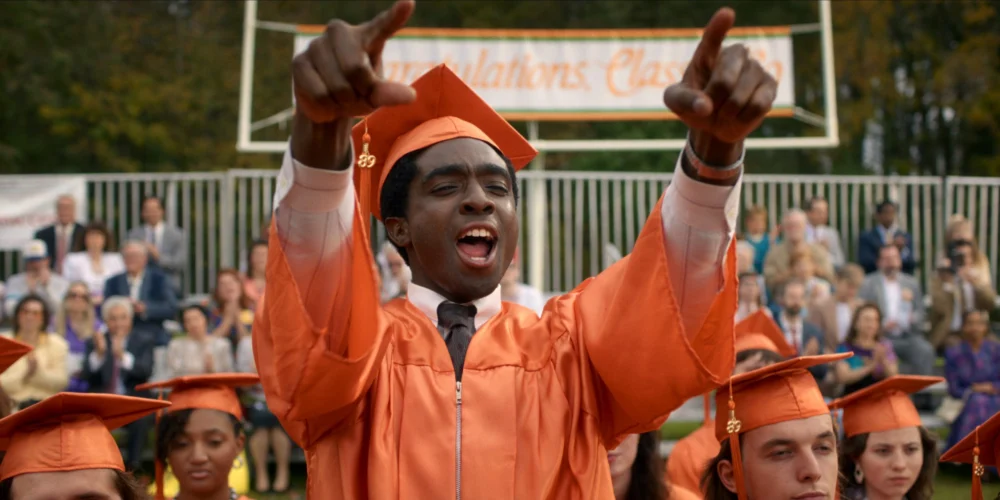
The cinematic event of the year, the much-anticipated finale of "Stranger Things," transcended the digital realm to coalesce in the unlikely setting of a struggling suburban mall, transforming a vacant multiplex into a vibrant hub of shared anticipation and collective catharsis. This unexpected gathering, far exceeding typical attendance for even the most prestigious film releases, illuminated the profound and enduring cultural resonance of the series, offering a compelling counterpoint to the often atomized experience of modern media consumption.
The Neshaminy Mall in Bensalem, Pennsylvania, once a beacon of retail commerce, now stands as a stark monument to the evolving landscape of consumerism, largely dormant save for a robust Barnes & Noble and the AMC movie theater. This particular AMC, however, has cultivated a dedicated following by offering one of the Philadelphia area’s rare IMAX screens, attracting cinephiles and fans of premium viewing experiences. It was this established draw that set the stage for an unprecedented event on New Year’s Eve. The parking lot, usually a sparsely populated testament to the mall’s decline, was a sea of vehicles, a testament to the immense gravitational pull of the "Stranger Things" conclusion. The concession lines, a kaleidoscope of excited patrons clutching pre-purchased vouchers, snaked through the lobby, the air thick with an palpable energy, reminiscent of the "Barbenheimer" phenomenon that had previously captivated the nation. This was not merely a movie screening; it was a pilgrimage.

Intellectually, the immense popularity of "Stranger Things" is well-documented. Netflix, a platform known for its data-driven ruthlessness in show cancellations, has consistently elevated the series to flagship status, akin to its own tentpole franchises like "Avengers" or "Star Wars." Regular pronouncements of impressive viewership figures, episodes capable of overwhelming the streaming service’s infrastructure, and pervasive cross-promotional campaigns featuring cast members and iconography underscore its commercial significance. The show’s ability to resurrect forgotten hits, most notably Kate Bush’s "Running Up That Hill," further cemented its cultural impact, demonstrating a potent ability to tap into and re-energize nostalgic sentiment. Even within the often-opaque metrics of streaming data, "Stranger Things" has undeniably commanded a vast audience and maintained its status as a cultural phenomenon, despite critiques suggesting that later seasons may not have achieved the same critical acclaim as its initial outing. However, the tangible experience of this fandom, the sheer scale of its communal engagement, often remains elusive amidst the fragmented digital landscape.
Several factors contribute to this disconnect between perceived and felt popularity. The increasing fragmentation of online discourse, the curated and often siloed nature of online fandom communities, and Netflix’s own binge-release model, which can disrupt narrative momentum and hinder sustained public conversation, all play a role. Furthermore, the lengthy intervals between seasons have historically presented challenges in maintaining a consistent sense of collective engagement. The narrative structure of "Stranger Things" itself, while superficially complex, is fundamentally accessible. The show’s creators, the Duffer Brothers, have consistently demonstrated a transparent approach to their storytelling, readily discussing inspirations and narrative intentions. The mysteries presented are generally resolved within the confines of the plot, and the world-building, while imaginative, remains largely centered on the fictional town of Hawkins, Indiana. Even the otherworldly "Upside Down," a realm of existential dread, is characterized by a stark emptiness, serving as a thematic bridge rather than a fully realized locale. This narrative clarity, paradoxically, allows for broad appeal, attracting a diverse demographic capable of appreciating its accessible storytelling, thereby explaining the extraordinary turnout at a seemingly forgotten shopping mall on a holiday evening.
The sheer volume of attendees was a revelation. According to theater staff, the turnout for the finale screening was the highest since the combined premiere weekend of "Gladiator II" and "Wicked" on Black Friday 2024, a period when the cinema had anticipated an audience of 8,000 for the entire day. In contrast, on this particular New Year’s Eve, an estimated 1,000 individuals were expected to converge within a single hour. The demographics were remarkably varied, encompassing entire families in casual attire, groups of friends of all ages, and numerous couples. Recognizable fan merchandise, such as Hellfire Club t-shirts and Demogorgon-themed popcorn buckets, were ubiquitous. The scene was alive with the modern ritual of documenting shared experiences, with attendees capturing the bustling atmosphere through group selfies and social media posts.

Conversations with attendees revealed the deeply personal connections forged with the series over its multi-year run. Gia, attending with her daughters, spoke of a shared viewing tradition that began with the first season in 2016, highlighting the show’s inherent excitement and compelling plot. The palpable anxiety regarding potential character deaths underscored the emotional investment audiences had developed. This sentiment of shared history and emotional attachment was a recurring theme. Adam and Tiffany, a recently engaged couple, had driven an hour to attend. Their viewing history of the show, beginning individually as teenagers and later becoming a shared ritual, spoke to the series’ cross-generational appeal. Adam articulated a particular appreciation for the show’s nostalgic resonance and its exploration of government conspiracy, referencing the MK Ultra themes of the initial season as a compelling narrative element that exposed viewers to historical intrigue. Tiffany echoed the sentiment of deep character affection, expressing her reluctance to face potential heartbreak in the finale.
This collective experience stood in stark contrast to the increasingly individualized consumption patterns of contemporary entertainment. The author, a self-professed critic of the series, found the communal viewing experience profoundly impactful. The shared gasps, cheers, and sniffles that rippled through the darkened auditorium during key narrative moments—Steve Harrington’s near-fatal fall being averted, a character’s defiant retort to a villain, or Eleven’s climactic confrontation with the Mind Flayer—highlighted the potent power of shared narrative engagement. This communal appreciation transcended individual viewing habits, offering a powerful reminder of television’s historical role as a shared cultural touchstone.
The underlying sincerity of "Stranger Things," a quality that sometimes feels at odds with its often-cynical marketing and derivative imitators, was evident in the collective emotional response. The Duffer Brothers’ transparent embrace of their influences has allowed them to craft a narrative that, despite its genre-hopping and evolving scope, remains fundamentally a coming-of-age story. This core theme extends beyond the initial quartet of Dungeons & Dragons enthusiasts to encompass their older siblings on the cusp of adulthood and even their parents, whose own personal growth is integral to the overarching narrative. The introduction of younger siblings in the final season further emphasizes this theme of maturation, framing the act of protection and guidance as a crucial step toward adulthood.

The show’s pervasive nostalgia, while a significant driver of its appeal, also serves as a subtle commentary on the passage of time and the evolving anxieties of different eras. For younger viewers who experienced the show during their formative years, the 1980s setting offers a romanticized escape. However, for those who watched it in real-time, the show’s journey from its initial release to its conclusion has coincided with significant global events—political shifts, a pandemic, and the pervasive influence of social media—which have, in their own way, created personal "Upside Downs" for many. The finale’s climactic scene, where Jim Hopper encourages Eleven to fight for a future she believes she cannot have, directly mirrors the audience’s own journey. The line, "I know you don’t believe you can have any of this. But I promise you, we will find a way to make it real. You will find a way to make it real, because you have to. Because you deserve it," served as a powerful meta-commentary, collapsing the fictional narrative into the lived reality of the viewers.
The act of concluding a decade-long narrative journey in a communal setting, surrounded by fellow fans, provided a profound sense of closure and shared accomplishment. This collective experience, particularly on the cusp of a new year, offered a unique and resonant way to process the passage of time and to emerge, much like the characters themselves, looking towards an uncertain but hopeful future. The "Stranger Things" finale, therefore, was not merely an endpoint for a television series, but a testament to the enduring power of shared storytelling and the communal spirit it can ignite.


 Lisa Mariana
 Ayu Aulia
 Safa Marwah