Ridwan Kamil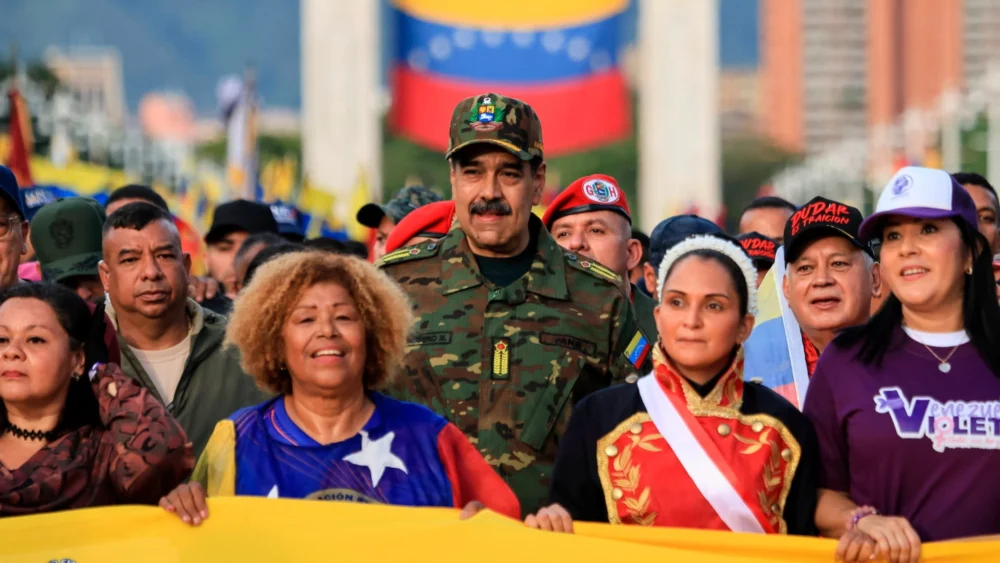
The dramatic arc of Nicolás Maduro’s political journey, from a charismatic heir apparent to a figure seemingly ensnared by global geopolitical forces, mirrors the tumultuous trajectory of Venezuela itself, a nation grappling with profound economic collapse and authoritarian consolidation.
Nicolás Maduro’s ascent to power in Venezuela, initially heralded by his supporters as the continuation of a socialist revolution, has devolved into a complex narrative of governance marked by widespread social and economic devastation, persistent international condemnation, and an increasing reliance on foreign patronage. Once a figure who embodied the fervent promises of Hugo Chávez’s Bolivarian movement, Maduro now presides over a fractured nation, his authority challenged both domestically and on the international stage, leading to a precarious position that has seen him navigate a treacherous landscape of sanctions, diplomatic isolation, and shifting global alliances.
The narrative of Nicolás Maduro is intrinsically linked to the legacy of Hugo Chávez, his predecessor and mentor, who captivated a generation of Venezuelans with a potent blend of anti-imperialist rhetoric, populist appeals, and a promise of reclaiming national wealth for the masses. Chávez’s Bolivarian Revolution, launched in 1999, tapped into deep-seated historical grievances and aspirations for social justice, channeling Venezuela’s vast oil revenues into ambitious social programs and projecting a powerful image of defiance against perceived Western hegemony. Maduro, a former bus driver and union leader, emerged from the ranks of the ruling United Socialist Party of Venezuela (PSUV) as Chávez’s chosen successor, inheriting a powerful political machine and a devoted following when Chávez died in 2013.
Maduro’s early years in office were characterized by an attempt to maintain the momentum of the Bolivarian project, even as the foundations of the Venezuelan economy began to show signs of strain. The global decline in oil prices, coupled with a systemic overreliance on crude exports and a rigid state-controlled economic model, exacerbated existing vulnerabilities. Critics pointed to rampant corruption, inefficient state enterprises, and a growing disregard for democratic institutions as contributing factors to the looming crisis. Despite these warning signs, Maduro doubled down on the core tenets of Chavismo, often framing economic hardship as the result of external sabotage and internal counter-revolutionary plots, particularly by the United States.
The persistent challenges confronting Venezuela under Maduro’s leadership have manifested in a catastrophic humanitarian crisis. Hyperinflation has rendered the national currency virtually worthless, decimating savings and purchasing power. Essential goods, including food, medicine, and basic utilities, have become scarce and prohibitively expensive for a significant portion of the population. This economic collapse has triggered a mass exodus of Venezuelans, with millions seeking refuge in neighboring countries and beyond, creating a regional refugee crisis of unprecedented scale in recent Latin American history. International organizations, including the United Nations, have documented widespread food insecurity, malnutrition, and a severe deterioration of healthcare services, painting a grim picture of a nation in deep distress.
The political landscape in Venezuela has been equally fraught. Maduro’s government has been accused of systematically undermining democratic processes, suppressing dissent, and persecuting political opponents. The erosion of judicial independence, the manipulation of electoral bodies, and the use of state security forces to quell protests have drawn widespread international criticism. The opposition, fragmented at times but persistent, has struggled to present a united front against the ruling party, facing significant obstacles in organizing and mobilizing effectively. High-profile figures like Leopoldo López have been imprisoned, and numerous other opposition leaders have faced harassment, exile, or political disqualification.
The international community’s response to the Venezuelan crisis has been multifaceted and, at times, deeply divided. The United States, under successive administrations, has been a leading voice in condemning Maduro’s government, imposing a raft of sanctions aimed at crippling the Venezuelan economy and pressuring for a transition to democracy. These sanctions have targeted key individuals, state-owned enterprises, and Venezuela’s oil sector, aiming to choke off revenue streams. However, the effectiveness and humanitarian impact of these sanctions remain a subject of intense debate, with some arguing they have further exacerbated the suffering of ordinary Venezuelans, while others contend they are a necessary tool to pressure an authoritarian regime.
Beyond the direct sanctions, the U.S. and a coalition of over 50 countries have recognized opposition leader Juan Guaidó as the interim president of Venezuela, a move intended to delegitimize Maduro’s authority and pave the way for new elections. This diplomatic schism has created a complex web of international relations, with many Latin American nations, Russia, China, and Iran maintaining their support or at least neutrality towards Maduro’s government, often citing principles of non-interference in domestic affairs or highlighting the potential negative consequences of external intervention. This geopolitical divide has transformed Venezuela into a proxy battleground for larger global powers, further complicating any potential resolution to the crisis.
Maduro’s government has sought to counter this international pressure by forging strategic alliances with countries that have offered political and economic support. Russia and China, in particular, have provided financial assistance, arms, and diplomatic backing, often in exchange for oil concessions or other economic advantages. Iran has also emerged as a key partner, providing fuel shipments and technical expertise to help alleviate Venezuela’s energy shortages. These relationships have been crucial in allowing Maduro to maintain a semblance of stability and to resist calls for his resignation, albeit at the cost of increasing dependence on foreign powers and further entrenching his government’s authoritarian tendencies.
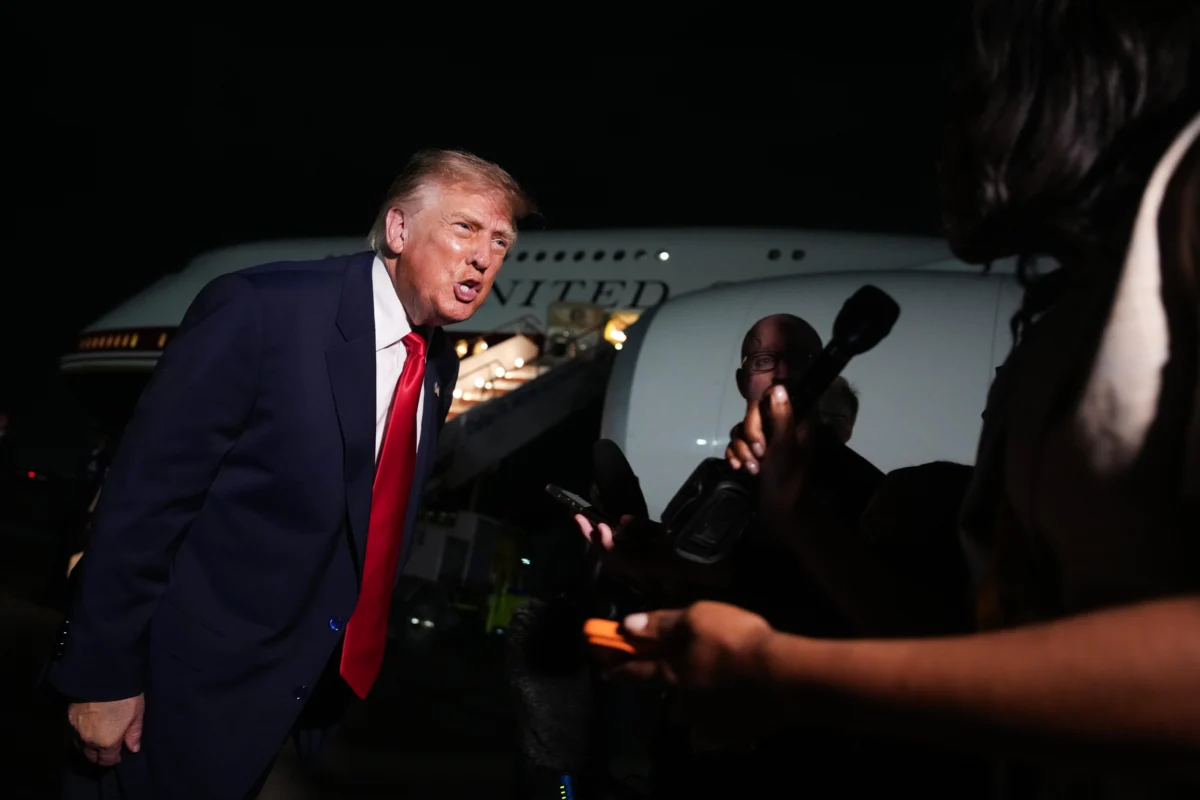
The concept of Maduro as "Trump’s captive" or a similar notion of being beholden to external actors speaks to the complex web of international pressures and dependencies he now navigates. While he maintains control of the state apparatus within Venezuela, his ability to act autonomously on the global stage is significantly constrained. The sanctions regime, while not fully crippling, has undeniably limited Venezuela’s access to international financial markets and trade. His reliance on Russia and China for economic and political support means that his government’s policies are increasingly influenced by the strategic interests of these patrons. This dynamic creates a scenario where Maduro is not entirely free to chart his own course, but rather must constantly balance domestic imperatives with the demands and expectations of his international allies and adversaries.
Looking ahead, the future of Venezuela under Nicolás Maduro remains deeply uncertain. The prospects for a peaceful and democratic transition appear dim in the short to medium term. The entrenched power of the ruling elite, the continued international division, and the severe economic hardship make any immediate resolution highly improbable. Potential scenarios range from a prolonged period of economic stagnation and political deadlock, characterized by ongoing humanitarian suffering and continued emigration, to a more abrupt collapse of the regime, potentially triggered by internal fissures, renewed popular uprisings, or a decisive shift in the stance of key international actors.
The role of external powers, particularly the United States and its allies, in influencing the outcome cannot be overstated. Their continued diplomatic pressure, targeted sanctions, and potential engagement with opposition forces will play a critical role in shaping the trajectory of events. Equally important will be the internal dynamics within Venezuela, including the resilience of civil society, the willingness of security forces to uphold the constitution, and the ability of the opposition to forge a cohesive and credible alternative.
The unraveling of Maduro’s revolutionary promise into a narrative of international entanglement and domestic crisis serves as a stark case study in the complexities of governance, economic policy, and geopolitical influence in the 21st century. The legacy of his presidency will likely be defined by the profound human cost of Venezuela’s prolonged decline and the enduring questions surrounding the path towards national recovery and democratic restoration. The challenge for Venezuela, and for the international community, is to find a sustainable pathway out of this crisis that prioritizes the well-being of its people and restores the nation’s dignity and prosperity.

 Aura Kasih
 Safa Marwah
 Ayu Aulia