
 Aura Kasih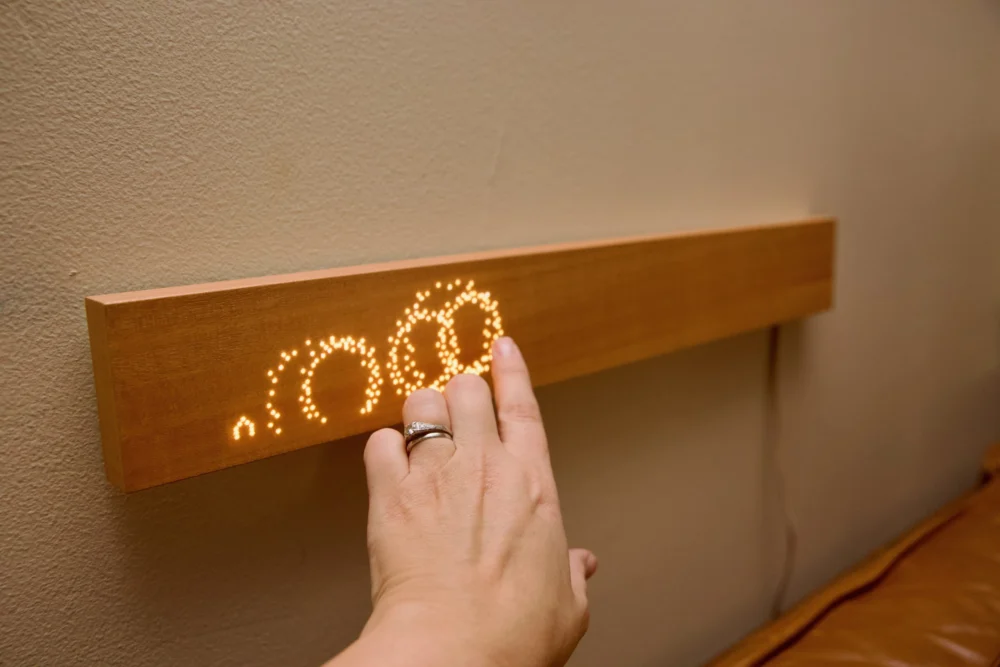
In an era dominated by glowing screens and constant digital noise, a Japanese company is challenging the very definition of smart home control with a device that elegantly integrates technology into the natural fabric of living spaces. The Mui Board, a revolutionary smart home controller disguised as a simple piece of wood, represents a profound departure from conventional interfaces, prioritizing calm, accessibility, and seamless integration over the often-intrusive nature of modern gadgets. This innovative device, after years in development and numerous public showings, has finally begun to reach consumers, offering a glimpse into a future where technology recedes into the background, enhancing our lives without demanding our constant attention.
The Mui Board’s genesis can be traced back to its initial unveiling at CES in 2019, where it immediately captured attention for its radical simplicity and sophisticated design philosophy. For years, the product experienced a protracted development cycle, with subsequent iterations appearing at various industry events, each promising an imminent launch. This long gestation period underscores the company’s commitment to refining its vision of "calm technology"—a concept championed by the Calm Tech Institute, which certifies products that prioritize user well-being and minimize digital distraction. The Mui Board embodies this philosophy, functioning as a passive decorative element when not in use, yet transforming into an intuitive control hub upon touch. Its surface, crafted from high-quality wood, reveals a discreet, dot-matrix display that illuminates with minimalist icons, offering control over a range of smart home functions without the visual clutter of a traditional screen.
At its core, the Mui Board is powered by a Raspberry Pi, enabling it to serve as a robust smart home controller with support for the burgeoning Matter standard. This integration is crucial, positioning the Mui Board as a universal translator for an increasingly fragmented smart home ecosystem. The device aims to unify control over disparate smart devices—from lighting and thermostats to audio systems and security features—under a single, aesthetically pleasing interface. Its capabilities extend to managing Philips Hue lights, adjusting Ecobee thermostats, controlling Sonos speakers, and interacting with a growing list of Matter-certified devices. The company’s commitment to open standards like Matter suggests a forward-thinking approach, ensuring long-term compatibility and adaptability as the smart home landscape evolves.

The design ethos of the Mui Board is deeply rooted in Japanese cultural principles, particularly the concept of "Mui," which signifies being in harmony with nature. This principle translates into a device that eschews aggressive visual cues and instead opts for a subtle, organic aesthetic. Available in natural maple or dark cherry finishes, the Mui Board is designed to complement rather than dominate interior decor. Its touch-sensitive surface, when activated, presents a clean, uncluttered display of icons. This deliberate design choice aims to reduce cognitive load and create a more peaceful home environment. For instance, instead of a bright, always-on screen displaying news feeds and notifications, the Mui Board offers an at-a-glance view of the time and weather, or discreet notifications that appear only when summoned.
The user experience is characterized by its simplicity and responsiveness. Upon touching the capacitive surface, a series of minimalist icons emerge, allowing users to perform actions such as dimming lights, adjusting thermostat settings, checking weather forecasts, or even receiving news headlines via an integrated RSS feed. The device also incorporates playful elements, like a small animated cat that moves across the surface, adding a touch of whimsy without being distracting. Furthermore, the Mui Board features a piano or drum mode, transforming its surface into an interactive musical instrument, and allows for handwritten message input, fostering a more tactile and engaging form of digital communication. These features highlight a deliberate effort to make technology feel less like a tool and more like an extension of natural human interaction.
The Mui Board’s smart home integration capabilities are comprehensive, supporting a wide array of popular platforms and protocols. Beyond its Matter compatibility, it offers direct integration with Sonos for music playback control, Philips Hue and LIFX for lighting management, and SwitchBot for smart device automation. It also interfaces with smart thermostats like Ecobee and integrates with Google Calendar APIs for scheduling and reminders. The inclusion of support for Japanese smart home standards like Echonet and services like Radiko demonstrates a commitment to its home market while also showcasing its potential for broader international adoption.
While the Mui Board’s core functionality revolves around its smart home controls, its capabilities extend to more personal uses. Users can set timers, alarms, and reminders, and send messages to other Mui boards or the companion Mui app. The device is equipped with two small built-in speakers and a microphone, primarily intended for recording messages rather than engaging in voice assistant interactions, further reinforcing its commitment to a screenless, less intrusive experience.

The second-generation Mui Board, which became available for purchase in early 2024, is priced at $999, with an introductory sale price of $799 on platforms like Indiegogo. This premium pricing positions the Mui Board as a luxury item rather than a mass-market commodity. The cost reflects the high-quality materials, meticulous craftsmanship, and the unique, research-backed design philosophy. While this price point may deter some consumers, for individuals who prioritize minimalist aesthetics, technological discretion, and a calm home environment, the Mui Board offers a compelling, albeit expensive, solution.
The implementation of Matter support is a significant aspect of the Mui Board’s appeal. As a Matter controller, it can facilitate the setup and management of Matter-enabled devices directly, bypassing the need for intermediary platforms from major tech giants like Amazon, Google, or Apple. This offers users greater autonomy and privacy in managing their smart homes. Currently, the Mui Board supports Matter over Wi-Fi, with plans to incorporate Thread support in the future. However, Thread functionality will necessitate a separate Thread border router, as the device itself does not include a built-in Thread radio. The initial rollout of Matter integrations has shown promising results with lighting and smart plugs, while support for other device categories, such as locks and thermostats, is still undergoing development and testing.
The user experience with Matter devices has been met with mixed results in early testing. While adding a Meross Matter Wi-Fi smart plug proved straightforward, pairing other devices, like a Nest thermostat, using Matter’s multi-admin feature presented challenges. Further testing is ongoing to ascertain the full extent of Matter compatibility and address any integration hurdles. The control of Philips Hue lighting, for example, was functional, allowing for individual light control and scene activation. However, the responsiveness was somewhat sluggish, potentially due to reliance on cloud APIs for larger setups, rather than local network connections. A notable feature, the "Veil of Night" illumination timer, allows users to draw a line on the board to gradually dim lights, offering a unique and intuitive approach to ambient lighting control.
The Mui Board’s core appeal lies in its ability to act as a discrete, tactile interface for smart home functions. It offers the convenience of physical controls, enhanced by visual cues, without the distraction of a bright screen. Like any icon-based system, there’s an initial learning curve to memorize the function of each symbol, but the ability to customize the icon layout and organize controls across multiple screens enhances usability. The aesthetic, while natural and furniture-like, does present a minor visual challenge when the device is inactive, potentially resembling an unfinished DIY project. Addressing this could involve refining the form factor with softer edges or more sculptural elements, and finding a more elegant solution for cable management.

Considering its placement, the living room is a viable option, but the Mui Board’s true potential might be realized in bedrooms. Positioned above a bedside table or headboard, it could offer a discreet way to control essential functions—lights, music, climate—without the need to reach for a smartphone or engage a voice assistant, thereby preserving the sanctity of the bedroom as a screen-free sanctuary.
While the Mui Board excels as a direct interface for smart home devices, its current software may not yet be robust enough for creating complex scenes and automations, which remain the domain of more comprehensive smart home hubs and apps. However, as a user-friendly, aesthetically pleasing, and mindful controller, it represents a significant innovation. Its success, despite its premium price, highlights a growing consumer demand for technology that harmonizes with, rather than disrupts, the natural flow of daily life.
The journey of the Mui Board from concept to consumer product has been a deliberate and patient one, reflecting the company’s dedication to its calm technology vision. Mui Labs’ continued presence at CES indicates an ongoing commitment to innovation. The company has announced plans to debut new features at upcoming events, including a well-being-focused sleep experience and movement-based lighting controls for the Mui Board. These future developments suggest a trajectory aimed at further enriching the device’s capabilities while staying true to its core principles of calm and natural interaction. The Mui Board stands as a testament to the possibility of creating technology that is both intelligent and unobtrusive, offering a compelling alternative in the ever-evolving landscape of the smart home.




 Lisa Mariana
 Ayu Aulia

 Safa Marwah