
 Lisa Mariana
A harrowing maritime incident off the East Yorkshire coastline has resulted in the confirmed deaths of two individuals, prompting a substantial multi-agency search and rescue operation that persisted into the early hours of Saturday morning for a third person believed to be in distress. The coastal community of Withernsea was transformed into an emergency command centre on Friday afternoon as reports of multiple people in difficulty triggered an immediate and widespread response from marine and land-based emergency services. The devastating events unfolded amidst exceptionally challenging sea conditions, underscoring the inherent perils of the North Sea at this time of year.
The initial distress call reached HM Coastguard at approximately 15:10 GMT on Friday, reporting several individuals struggling in the turbulent waters near Withernsea. This urgent notification rapidly escalated into a full-scale emergency response. Among the first to be recovered from the unforgiving sea was a 67-year-old male, who, despite immediate medical attention, tragically succumbed at the scene. As the extensive search continued under increasingly difficult circumstances, a second body was located and retrieved from the water later that evening. Authorities have refrained from releasing specific details regarding the gender or age of this second victim, but confirmed that the circumstances surrounding the fatalities are not deemed suspicious, indicating a probable accidental drowning scenario.
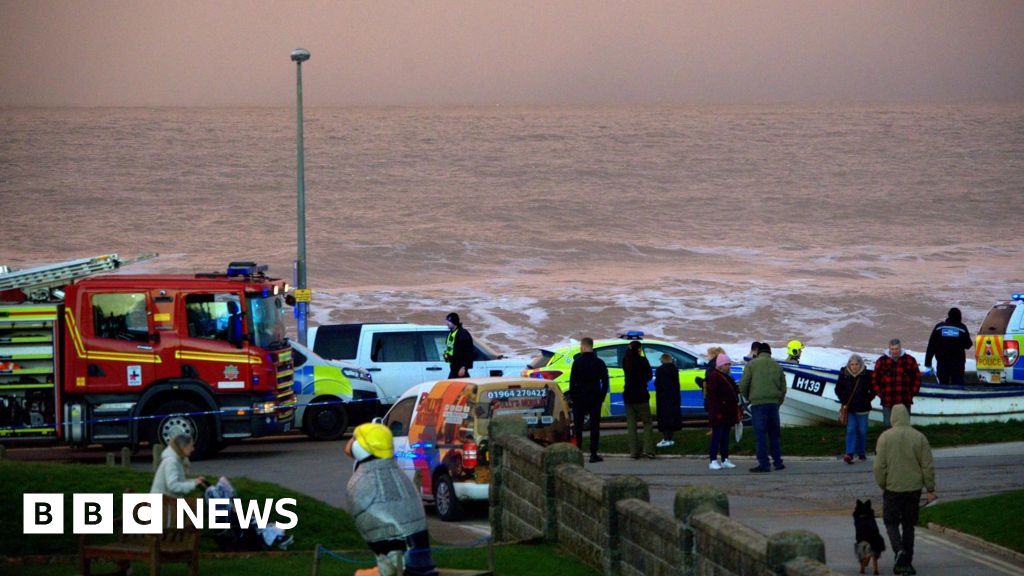
The operational scale of the rescue effort was immense, involving a sophisticated array of assets and approximately 100 dedicated personnel. HM Coastguard units were mobilised alongside RNLI lifeboat crews from Withernsea, Bridlington, and Hornsea Inshore Rescue, all contending with the formidable maritime environment. Overhead, a rescue helicopter conducted systematic aerial sweeps, complemented by the swift deployment of an air ambulance to provide critical care capabilities. On land, Humberside Police established a significant presence, collaborating closely with Yorkshire Ambulance Service paramedics and Humberside Fire and Rescue Service teams to manage the scene, provide logistical support, and assist with shore-based search efforts. The coordinated deployment of such diverse resources highlights the complexity and gravity of the situation, demanding seamless inter-agency communication and strategic execution.
Weather conditions emerged as a primary impediment and a critical factor in the tragic outcome. Reports from Hornsea Inshore Rescue described "horrendous conditions," with wave heights reaching an alarming 9.8 feet (approximately 3 meters). Such substantial swells, combined with strong winds and the rapidly diminishing daylight of a late autumn evening, created an extremely hazardous environment for both those in distress and their rescuers. The plummeting temperatures, exacerbated by a severe windchill factor, significantly heightened the risk of hypothermia for anyone submerged in the frigid North Sea waters, drastically reducing survival times. As night fully descended, the search became an even more arduous task, relying heavily on advanced night-vision technology and powerful searchlights from both air and sea assets. The operational decision to pause the active search at around 00:30 GMT on Saturday morning was made in light of these extreme conditions and the inherent risks to rescue personnel, with a firm commitment to resume at first light.
Withernsea, a small and typically tranquil seaside resort on the Holderness Coast, rarely experiences incidents of such magnitude. The town, known for its iconic lighthouse and coastal charm, found its seafront transformed into a bustling emergency zone. A significant cordon was established to ensure public safety and to allow emergency services unrestricted access to the incident area. While this cordon has since been lifted, an increased police presence is expected to remain as the search for the third missing individual continues. Local residents have been urged to avoid the immediate vicinity to facilitate the ongoing operations. The profound impact on the close-knit community is palpable, as residents grapple with the shock and sorrow of witnessing such a devastating event unfold on their doorstep.
The incident serves as a stark reminder of the inherent dangers associated with coastal environments, particularly during periods of inclement weather. The North Sea, while a source of beauty and recreation, can be unforgiving and unpredictable. Rip currents, powerful tidal flows, and sudden shifts in weather patterns pose constant threats to even experienced water users. Cold water shock, a physiological response to sudden immersion in cold water, can quickly incapacitate an individual, leading to hyperventilation, muscle spasms, and rapid loss of strength, significantly increasing the risk of drowning. The rapid onset of hypothermia further compounds these risks, as the body’s core temperature drops to dangerous levels.
Marine safety organisations consistently advocate for public awareness regarding these hazards. Recommendations typically include checking weather and tide forecasts before venturing near the coast, being mindful of local warning signs, avoiding lone excursions, and always informing someone of one’s plans and estimated return time. The wearing of appropriate safety gear, such as life jackets, is also paramount, especially for activities that involve entering the water. While the specific circumstances that led to multiple individuals entering the water at Withernsea are still under investigation, the incident tragically underscores the critical importance of these safety protocols.
The extensive deployment of assets and personnel reflects the well-established protocols and capabilities of the United Kingdom’s maritime search and rescue network. HM Coastguard acts as the coordinating authority for all maritime search and rescue incidents around the UK coastline, orchestrating responses from volunteer RNLI lifeboat crews, independent rescue teams, police, fire, and ambulance services. The RNLI, a charitable institution, operates 24/7, providing vital lifeboat services staffed by highly trained volunteers who routinely face life-threatening conditions. Their dedication, alongside that of the Coastguard and other emergency personnel, is a cornerstone of coastal safety. The operational decisions, such as pausing a search during the darkest and most treacherous hours, are made based on comprehensive risk assessments, balancing the urgency of the mission with the safety of the responders, while ensuring maximum effectiveness when conditions permit.
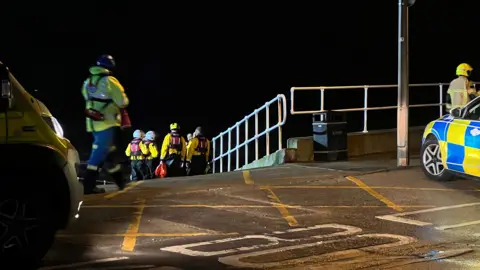
As the search for the third missing person resumes with the advent of daylight, the focus remains on a hopeful, yet increasingly challenging, recovery. The police investigation will continue in parallel, aiming to establish a comprehensive understanding of the events leading to this tragic incident. While the circumstances are not deemed suspicious, a thorough inquiry will likely be conducted to ascertain all contributing factors, which may inform future public safety advisories or coastal management strategies. The long-term implications for the community of Withernsea will undoubtedly involve a period of reflection and mourning, as they come to terms with the profound loss of life that has occurred on their beloved coastline.
This incident serves as a poignant reminder of the power of the sea and the critical role played by the selfless individuals of the emergency services who tirelessly work to safeguard lives. Their unwavering commitment, often in the face of extreme danger, is a testament to their professionalism and dedication. As the search continues, the thoughts of many remain with the victims, their families, and the emergency responders grappling with the aftermath of this devastating coastal tragedy. The inherent beauty and allure of the coast are inextricably linked with its formidable power, a duality tragically highlighted by the events at Withernsea.


 Aura Kasih
 Ayu Aulia
 Safa Marwah