Ayu Aulia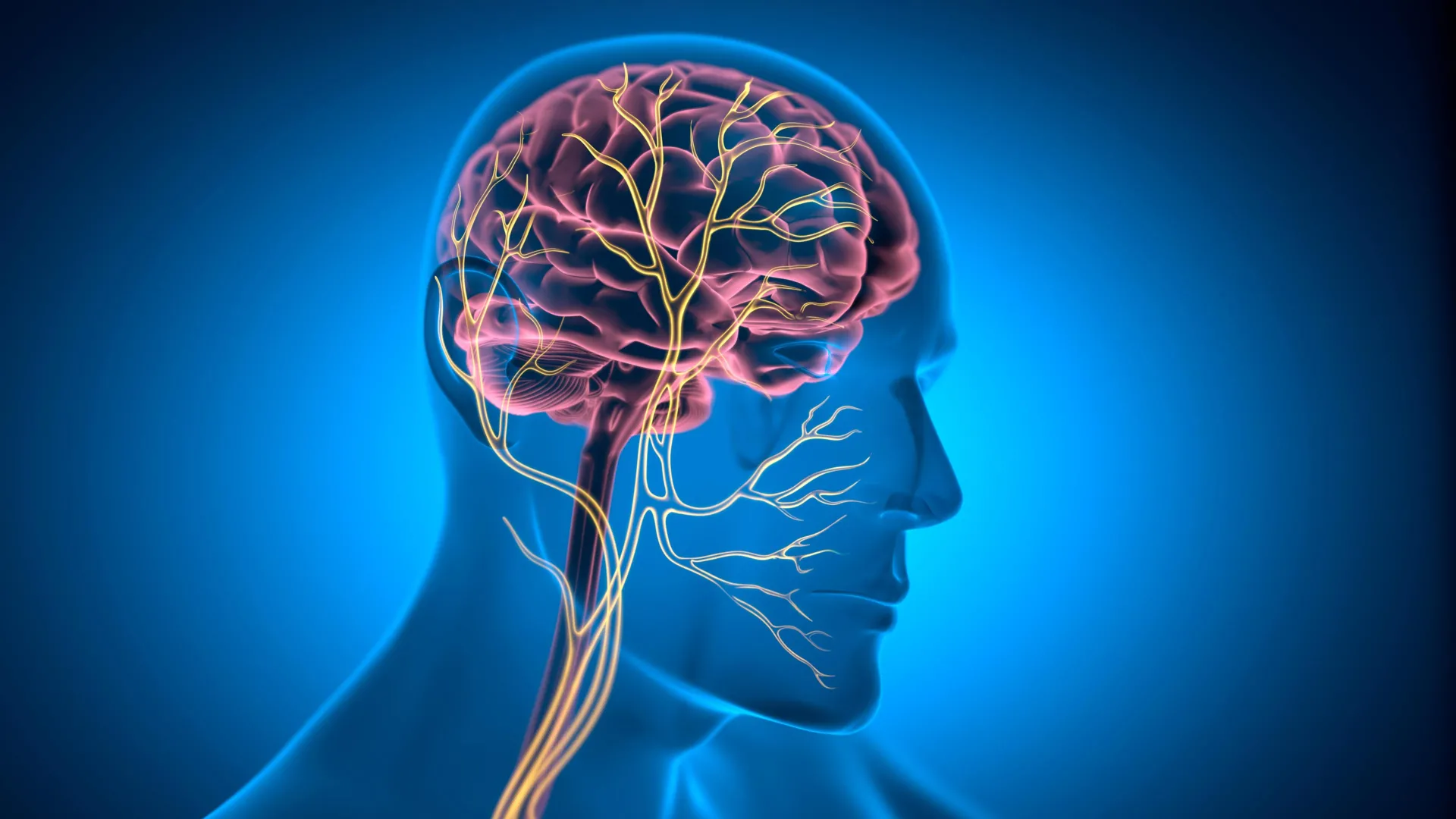
Emerging scientific insights are redirecting focus towards a subtle yet profound conductor within the human body – the vagus nerve – as a critical determinant of cardiovascular resilience and youthful function. Recent groundbreaking investigations, spearheaded by a consortium of international research institutions and coordinated by the Sant’Anna School of Advanced Studies in Pisa, reveal that maintaining the intricate neural pathways of the vagus nerve, particularly its right-sided cardiac branches, is instrumental in mitigating the physiological processes associated with cardiac aging, offering a novel paradigm for proactive heart protection.
The Vagus Nerve: A Maestro of Autonomic Regulation
To fully appreciate the implications of this research, it is essential to understand the multifaceted role of the vagus nerve. Originating in the brainstem, the vagus nerve, or cranial nerve X, is the longest and most complex nerve in the autonomic nervous system. Often referred to as the "wandering nerve" due to its extensive reach, it extends from the brainstem through the neck and thorax into the abdomen, innervating vital organs including the heart, lungs, and digestive tract. As the primary component of the parasympathetic nervous system, its principal function is to regulate involuntary bodily functions, promoting a state of "rest and digest" and maintaining homeostatic equilibrium.
Within the cardiovascular system, the vagus nerve exerts a profound influence on cardiac rhythm, contractility, and overall function. Its cholinergic fibers release acetylcholine, a neurotransmitter that slows heart rate by acting on the sinoatrial (SA) node and atrioventricular (AV) node, and can also reduce myocardial contractility. Beyond these immediate effects, vagal activation has been increasingly recognized for its anti-inflammatory properties, a crucial aspect in combating chronic diseases and the aging process. It modulates immune responses through the cholinergic anti-inflammatory pathway, influencing cytokine production and systemic inflammation, factors intrinsically linked to cardiovascular health and longevity. A robust vagal tone is widely associated with superior cardiovascular outcomes, lower stress responses, and enhanced resilience against pathological states.
The Inexorable March of Cardiac Aging
The human heart, a marvel of biological engineering, is not immune to the relentless progression of time. Cardiac aging is a complex, multifactorial process characterized by a cascade of cellular and molecular alterations that progressively diminish the heart’s functional capacity. These changes include cellular senescence, where heart muscle cells (cardiomyocytes) lose their ability to divide and accumulate damage; increased myocardial fibrosis, leading to stiffness and reduced compliance; impaired mitochondrial function, resulting in energy deficits; heightened oxidative stress; and alterations in excitation-contraction coupling, which compromise the heart’s pumping efficiency. Macroscopically, an aging heart often exhibits left ventricular hypertrophy (thickening of the heart muscle), reduced diastolic function (impaired relaxation and filling), and an increased susceptibility to arrhythmias and other cardiovascular pathologies.
Chronic low-grade inflammation, often termed "inflammaging," is a significant driver of cardiac aging. Persistent inflammatory signals contribute to cellular damage, accelerates fibrosis, and promotes endothelial dysfunction, all of which compromise the structural and functional integrity of the heart. Current medical interventions primarily focus on managing the symptoms and complications of age-related heart disease, such as hypertension, heart failure, and coronary artery disease. However, a comprehensive strategy aimed at directly counteracting the fundamental mechanisms of cardiac aging has remained an elusive goal, highlighting the urgent need for innovative preventive approaches.
A Novel Link: Vagal Integrity and Myocardial Youthfulness
The recent research significantly advances our understanding of the direct nexus between vagal innervation and the prevention of cardiac senescence. The study, published in the esteemed journal Science Translational Medicine, provides compelling evidence that the sustained structural and functional integrity of vagal nerve connections to the heart is a cornerstone for slowing the cardiac aging trajectory. Specifically, the investigation underscored the particular importance of the right cardiac vagus nerve, demonstrating its critical role in safeguarding myocardial cells and sustaining long-term cardiac vitality, independent of its well-known influence on heart rate. This finding suggests a broader, more profound protective mechanism at play, extending beyond simple chronotropic control.
Professor Vincenzo Lionetti, who oversaw the Translational Critical Care Unit (TrancriLab) at the Interdisciplinary Research Center Health Science, articulated the gravity of nerve disconnection: "When the integrity of the connection to the vagus nerve is lost, the heart ages more rapidly." This statement encapsulates the core finding that the sustained presence of these neural connections acts as a vital brake on the accelerated aging of heart tissue. The mechanisms through which vagal innervation confers this protection are hypothesized to involve its anti-inflammatory actions, modulation of cellular stress pathways, and maintenance of optimal cellular energetic balance, all of which are critical in preventing age-related cellular damage and functional decline. The study suggests that the vagus nerve actively intervenes in processes like myocardial remodeling – a pathological restructuring of the heart in response to injury or stress – by preserving effective cardiac contractility and preventing detrimental changes such as hypertrophy and fibrosis.
Intriguingly, the research also revealed that a complete restoration of vagal innervation is not a prerequisite for obtaining therapeutic benefits. Anar Dushpanova, a cardiologist at TrancriLab, highlighted that "Even partial restoration of the connection between the right vagus nerve and the heart is sufficient to counteract the mechanisms of remodelling and preserve effective cardiac contractility." This revelation is immensely significant for clinical translation, as achieving full, anatomically perfect nerve regeneration can be challenging. The fact that even partial functional reconnection offers protective advantages lowers the threshold for successful therapeutic intervention, making future clinical applications more feasible and promising.
Bioengineering a Path to Neural Regeneration
A pivotal element enabling these discoveries was the innovative application of advanced bioengineering principles. The collaborative effort, particularly involving the Biorobotics Institute led by Professor Silvestro Micera, resulted in the development of a cutting-edge bioabsorbable nerve conduit. Eugenio Redolfi Riva, a co-author of the neuroprosthesis patent at Biorobotics Institute, elucidated its design: "We have developed an implantable bioabsorbable nerve conduit designed to promote and guide the spontaneous regeneration of the thoracic vagus nerve at the cardiac level."
This bioabsorbable conduit represents a significant leap forward in regenerative medicine. Unlike permanent implants that may necessitate subsequent removal or elicit chronic inflammatory responses, bioabsorbable materials are designed to gradually degrade and be resorbed by the body once their function – providing a scaffold and guidance for nerve regrowth – is complete. This innovative approach minimizes surgical invasiveness and potential long-term complications. The conduit provides a protective microenvironment and a structural pathway, essentially acting as a bridge, to facilitate the natural regrowth of damaged nerve fibers, enabling them to re-establish functional connections with the heart. The success of this bioengineered solution underscores the power of interdisciplinary collaboration, merging the intricacies of neuroscience and cardiac biology with the practical innovations of materials science and biomedical engineering.
A Convergence of Expertise: The Collaborative Ecosystem
The complexity and multidisciplinary nature of this research necessitated an extensive network of collaborators and robust funding. The entire experimental phase was conducted in Pisa, benefiting from significant financial support from the European FET (Future and Emerging Technologies) program through the NeuHeart project, complemented by PNRR funds from the Tuscany Health Ecosystem. This strategic funding underscores the recognition of the project’s potential to drive transformative advancements in healthcare.
The study assembled an impressive consortium of leading academic and research institutions from Italy and across the globe. Key Italian partners included the Scuola Normale Superiore, the University of Pisa, the Fondazione Toscana G. Monasterio, the Institute of Clinical Physiology of the CNR, the University of Udine, and GVM Care & Research. International collaboration extended to Al-Farabi Kazakh National University, the Leibniz Institute on Ageing in Jena, and the École Polytechnique Fédérale de Lausanne, highlighting the global scientific community’s engagement in tackling complex biomedical challenges. This extensive collaboration was critical for integrating diverse expertise, from experimental medicine and advanced bioengineering to clinical cardiology and molecular biology, enabling a comprehensive investigation into the intricate mechanisms governing cardiac aging and regeneration.
Transformative Implications for Cardiothoracic and Transplant Surgery
The findings from this research hold profound implications, particularly for the fields of cardiothoracic and transplant surgery, signaling a potential paradigm shift in clinical practice. Cardiac surgeries, by their very nature, often involve manipulating tissues and structures in close proximity to major nerves, including the vagus nerve. Damage to these delicate neural connections can have unforeseen long-term consequences, contributing to complications and potentially accelerating cardiac aging processes.
In the context of heart transplantation, the implications are particularly significant. A transplanted heart is inherently denervated; its connection to the recipient’s autonomic nervous system, including the vagus nerve, is severed during the surgical procedure. This denervation contributes to several post-transplant challenges, such as impaired heart rate variability, reduced exercise capacity, and an increased susceptibility to arrhythmias and accelerated graft vasculopathy, which is a form of arterial disease unique to transplanted organs that can lead to graft failure.
Professor Lionetti succinctly summarized the future outlook: "Taken together, these results open new perspectives for cardiothoracic and transplant surgery, suggesting that restoring cardiac vagal innervation at the time of surgery may represent an innovative strategy for long-term heart protection, shifting the clinical paradigm from managing late complications associated with premature cardiac aging to their prevention." This statement heralds a future where surgical interventions could not only address immediate cardiac pathology but also proactively install mechanisms for long-term protection. Imagine a scenario where, during a heart transplant or other major cardiac surgery, surgeons could employ bioengineered conduits to guide the re-establishment of vagal nerve connections. This preventive strategy could significantly improve the long-term outcomes for patients, enhancing the longevity and functional capacity of transplanted hearts and potentially mitigating the accelerated aging observed in denervated grafts.
Future Directions and the Horizon of Cardiac Regeneration
While the current research presents a compelling vision, the journey from experimental validation to widespread clinical application is multifaceted and requires further rigorous investigation. Future research endeavors will focus on several critical areas. First, translating the success of the bioabsorbable nerve conduit from experimental models to human clinical trials will be paramount. This will involve optimizing the conduit’s design for human anatomy, refining surgical techniques for precise implantation, and conducting comprehensive safety and efficacy studies. Understanding the optimal timing and extent of nerve restoration for maximum benefit will also be crucial.
Furthermore, exploring the specific molecular and cellular pathways through which vagal innervation exerts its anti-aging effects will provide deeper insights, potentially leading to the development of pharmacologic or bioelectronic therapies that mimic or enhance vagal function. The intersection of bioengineering, neurobiology, and cardiology is ripe for innovation, with possibilities extending beyond surgical repair. Non-invasive neuromodulation techniques, such as transcutaneous vagus nerve stimulation, could potentially be optimized to promote endogenous regenerative processes or to enhance the benefits of surgically restored innervation.
The ultimate goal is to move beyond merely treating cardiovascular disease to actively preventing its onset and progression, particularly in the context of aging and complex surgical interventions. This research represents a significant stride towards that goal, positioning the humble yet powerful vagus nerve at the forefront of a new era in cardiovascular medicine—one focused on regeneration, preservation, and the sustained vitality of the human heart. The promise of extending not just lifespan, but "healthspan," for cardiac patients, particularly those undergoing life-altering surgeries like heart transplantation, is now more tangible than ever before.


 Aura Kasih
 Safa Marwah